
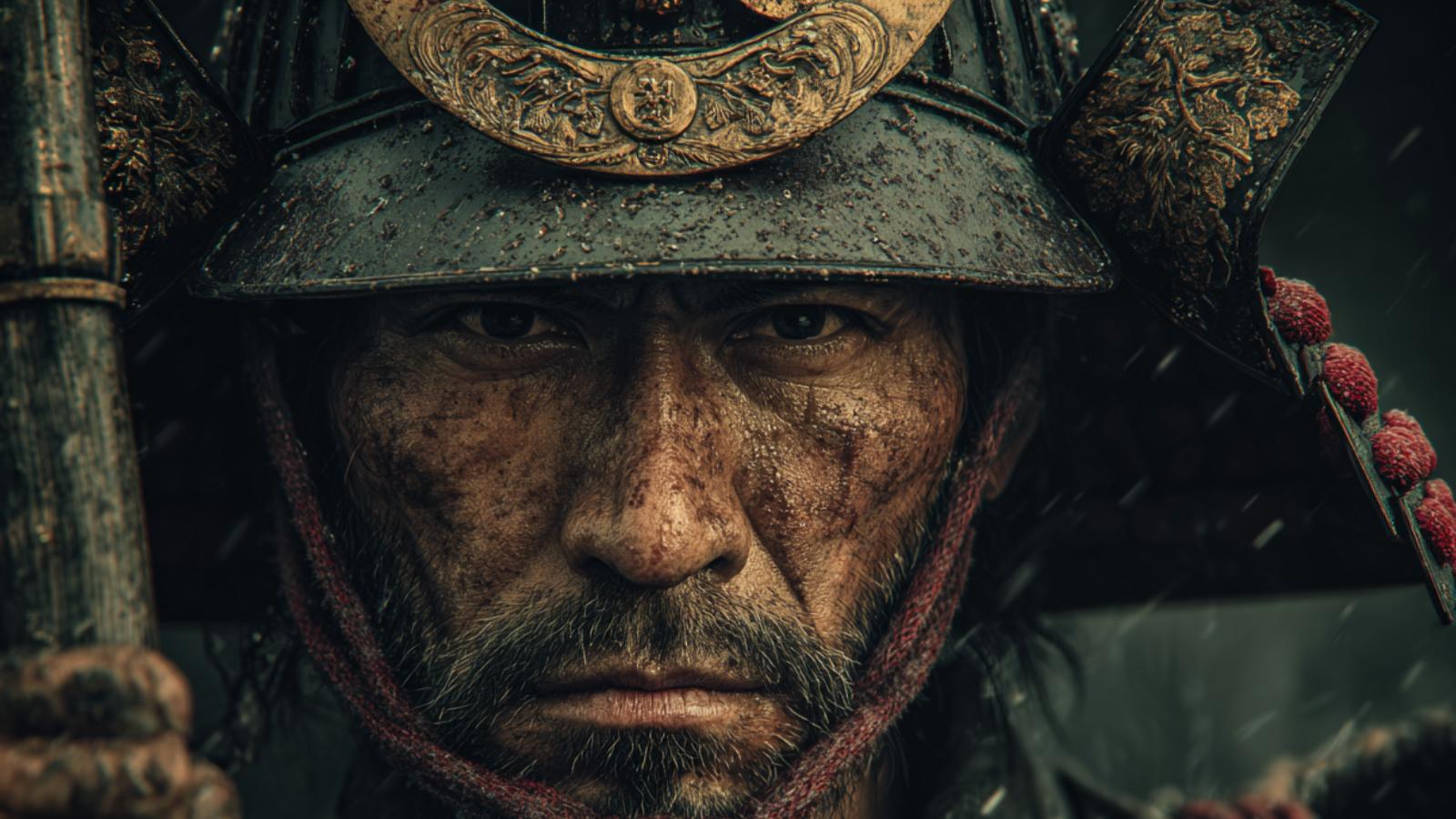
“道は一つだが、進むべき道は自ら選ぶべし。”
— There is only one path, but it is up to us to choose which way to tread.

| Lead 統率 |
Valor 武勇 |
Intel 知略 |
Pol 政治 |
|---|---|---|---|
| 75 | 70 | 75 | 65 |
| Name (JP) | 福留 儀重 |
|---|---|
| Title | Samurai |
| Clan / Force | Unknown |
| Era | 1550 – 1614 |
| Origin | Bizen |
| Key Battles | |
| Arts | Calligraphy |
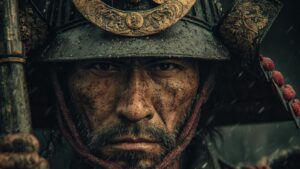
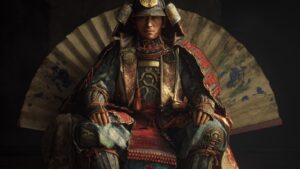
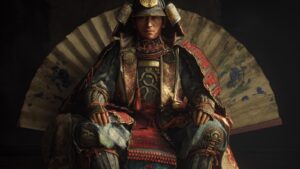
About Fukudome Gishige
Raised in a samurai family, he was exposed to martial arts and the principles of bushido at a young age.
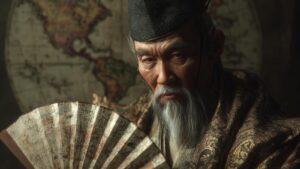
His early education included not just combat skills, but also the arts, particularly calligraphy, which he practiced diligently, shaping his character as both a warrior and a scholar.
Gishiges to prominence began in the late 1570s when he joined the service of a local lord.
His bravery in skirmishes against rival clans earned him respect among his peers.
By the 1580s, he became recognized for his tactical ability on the battlefield.
His keen intellect and leadership skills during various campaigns led to numerous victories, solidifying his reputation as a capable general.
Over the years, Gishige fought in several significant, leading troops in pivotal engagements that marked the shifting powers of the Sengoku period.
His strategy often involved flanking maneuvers, and he was known to adapt quickly to the changing tides of battle.
Although he was never a field commander of the highest rank, his contributions were instrumental in the successes of his lord.
Gishige passed away in 1614, but his lived on among the samurai of his time.
He was remembered not only for his military endeavors but also for his dedication to the arts.
His calligraphy and writings on strategy were preserved by his pupils, influencing generations of samurai.
Gishige remains a respected figure in the chronicles of Sengoku history, representing the ideal balance between martial skill and artistic pursuit.
comment