
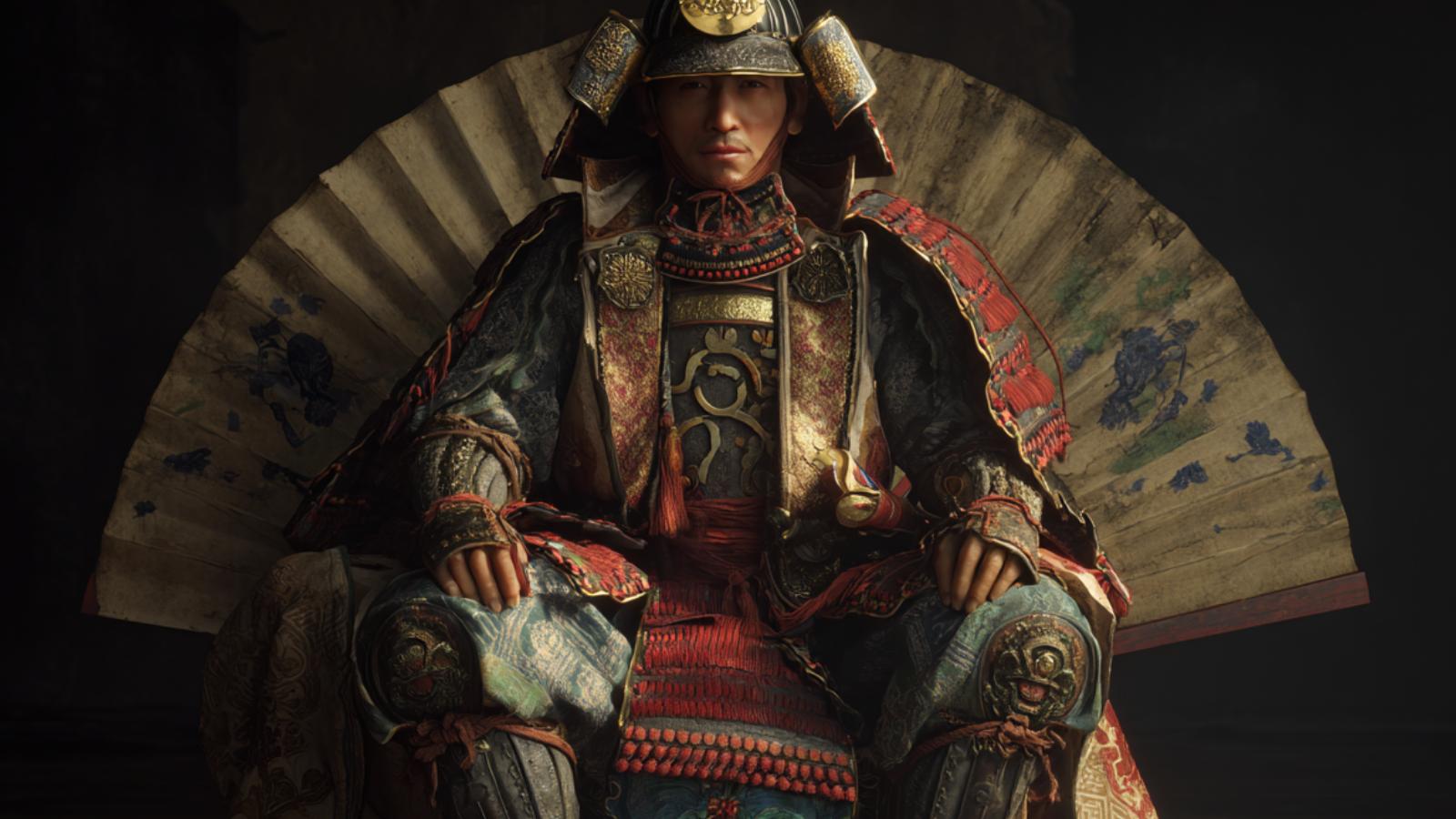
“勝者は決して最初の一撃を打つ者ではない。”
— The victor is never the one who strikes the first blow.

| Lead 統率 |
Valor 武勇 |
Intel 知略 |
Pol 政治 |
|---|---|---|---|
| 72 | 68 | 75 | 69 |
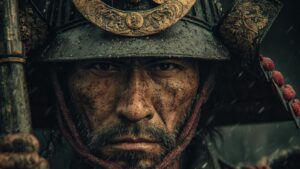
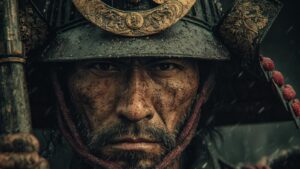
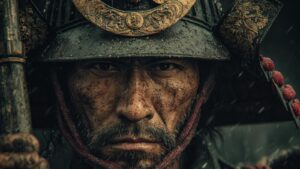
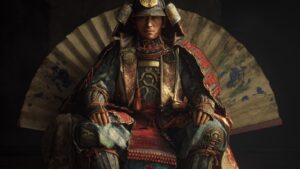
| Name (JP) | 桂 元澄 |
|---|---|
| Title | Daimyo |
| Clan / Force | Unknown |
| Era | 1591 – 1655 |
| Origin | Chikuzen |
| Key Battles | |
| Arts | Ikebana |
About Katsura Motozumi
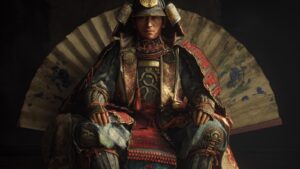
Growing up in a time of significant political and social turmoil, he received a rigorous education in both martial skills and the arts, which would shape his future leadership style.
His upbringing instilled in him a deep understanding of the delicate balance between governance and cultural patronage, a steep curve that would define his later years.
Motozumis to power began in the early 17th century as he navigated the complicated political landscape following the unification of Japan under Tokugawa Ieyasu.
He distinguished himself not only as a capable leader of troops but also as a diplomat, fostering alliances through marriage and negotiation.
His ability to maintain stability in his territory earned him respect among peers and increased his influence within the Tokugawa shogunate.
Motozumis understanding of local governance and military strategy solidified his reputation and led to his elevation to the of daimyo.
During his tenure, Katsura Motozumi faced several challenges, including uprisings and skirmishes with rival clans.
While not the most renowned warrior, he demonstrated valor on the battlefield, especially during the Siege of Hara in 1637, where his tactics helped secure crucial positions for the Tokugawa forces.
His strategic intelligence allowed him to anticipate enemy movements, leading to several noteworthy victories, although he primarily preferred to settle conflicts through diplomacy rather than warfare.
This approach helped maintain peace in his domain and contributed to the establishment of a prosperous Chikuzen Province under his rule.
Katsura Motozumi left behind a that blends military competence with an appreciation for the arts.
After his death in 1655, he was remembered not only for his governance but also as a patron of cultural activities such as Ikebana, which flourished in his territory.
His belief that a true leader must cultivate both strength and beauty influences the way he is viewed in historical accounts.
As a significant figure of the Edo period, Motozumi continues to be an exemplar of the samurai ideal, balancing the responsibilities of a warrior with the nuances of cultural patronage.
comment