
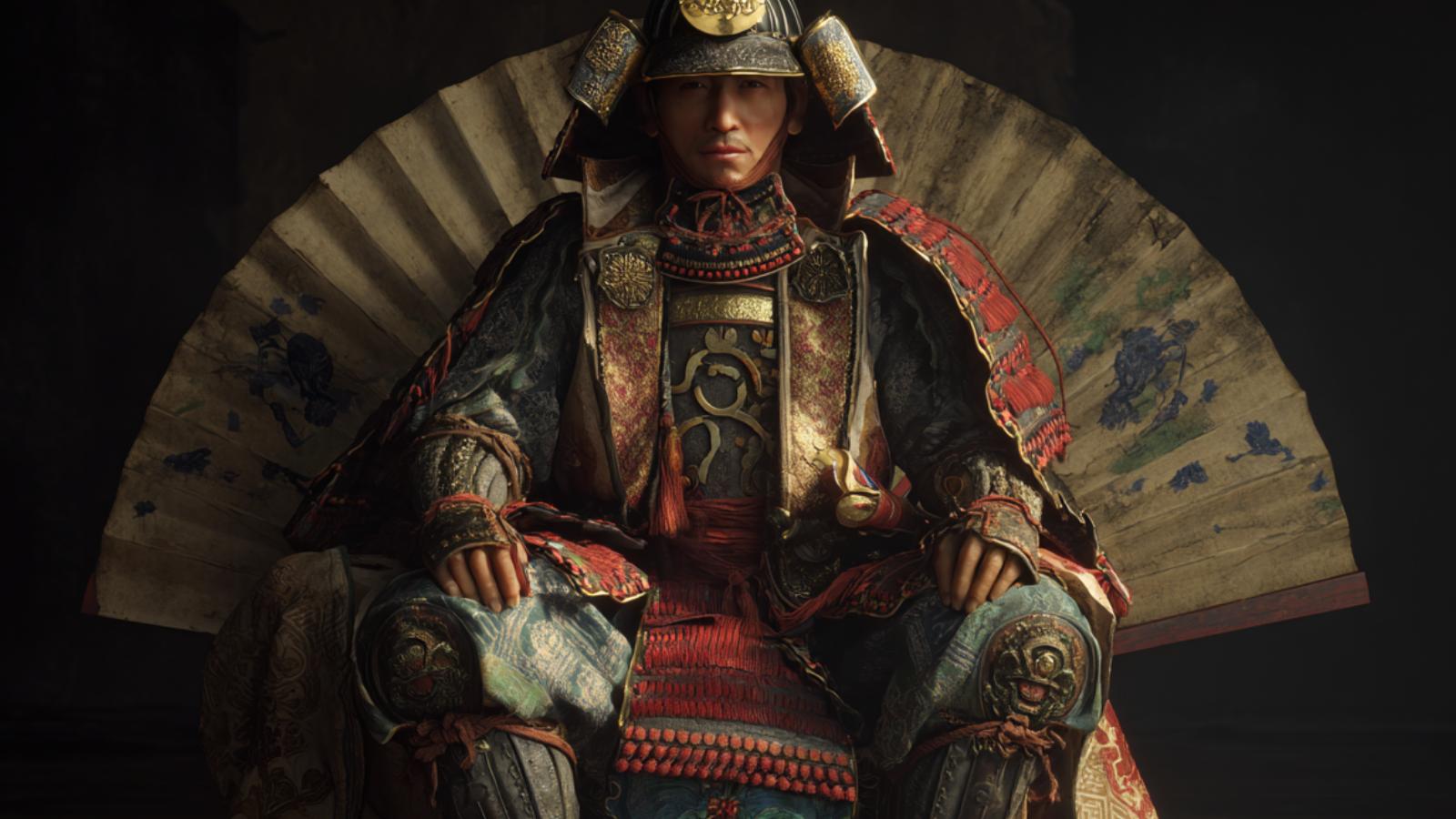
“戦いは刃の上にある。”
— The battle lies on the edge of the blade.

| Lead 統率 |
Valor 武勇 |
Intel 知略 |
Pol 政治 |
|---|---|---|---|
| 72 | 70 | 68 | 75 |
| Name (JP) | 天野 隆重 |
|---|---|
| Title | Daimyo |
| Clan / Force | Unknown |
| Era | 1545 – 1610 |
| Origin | Mutsu |
| Key Battles | |
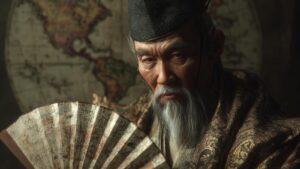
| Arts | Noh Theater |
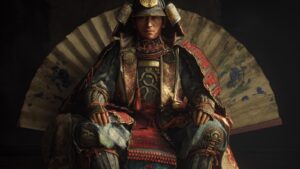
About Amano Takashige
Born into a family of shugo, he was privy to the ways of governance and military strategy from a young age.
His upbringing instilled in him a sense of duty to his province and a fierce loyalty to his clan.
His early education in both martial and cultural arts, particularly in Noh Theater, laid the foundation for his future roles as both a leader and a patron of the arts.
As a young man, Takashige quickly distinguished himself in skirmishes against rival clans.
His tactical prowess earned him the respect of his peers, leading to his eventual as a daimyo.
He consolidated power over small territories, balancing the responsibilities of a military leader with the governance of his domain.
His ability to forge alliances through marriage and diplomacy reflected his political acumen, allowing him to maintain stability in a turbulent era.
Throughout his career, Amano engaged in several notable, consistently proving his valor on the battlefield.
One of his most significant campaigns was against the Date clan, where he showcased his capabilities as a general.
Though he did not achieve legendary status like some of his contemporaries, his leadership in these conflicts solidified his reputation as a capable warrior and a familial leader who prioritized the welfare of his people.
Today, Amano Takashige is remembered not only for his military engagements but also for his cultural patronage.
His support for the Noh Theater helped preserve this art form during a time when Japan was undergoing rapid changes due to wars.
While not as widely known as other samurai, his contributions to the region of Mutsu and its cultural heritage remain significant, influencing the generations that followed.




comment