
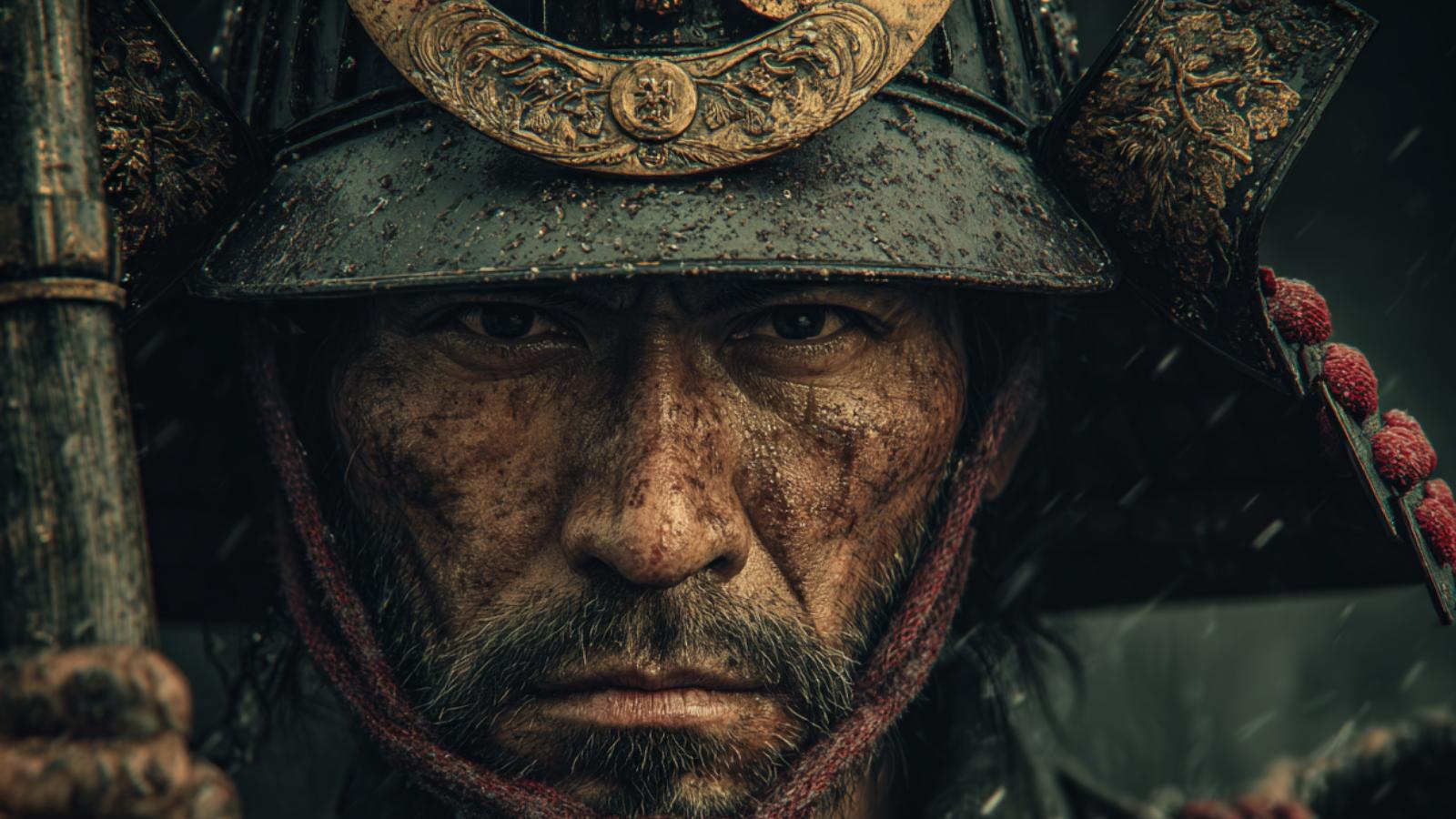
“武士の道は、常に心を整え、誠を持ち続けることである。”
— The way of the samurai is to always keep a steady heart and to hold onto sincerity.

| Lead 統率 |
Valor 武勇 |
Intel 知略 |
Pol 政治 |
|---|---|---|---|
| 68 | 72 | 65 | 60 |
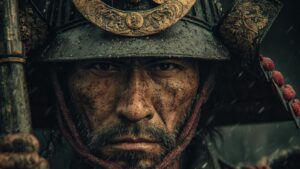
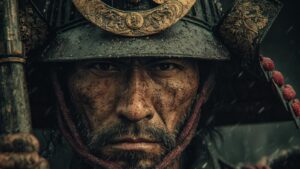
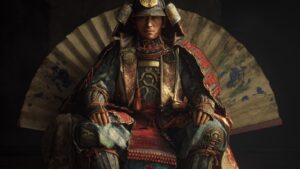
| Name (JP) | 粟屋 元秀 |
|---|---|
| Title | Samurai |
| Clan / Force | Unknown |
| Era | 1554 – 1622 |
| Origin | Bizen |
| Key Battles | |
| Arts | Calligraphy |
About Awaya Motohide
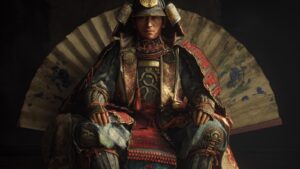
Coming from a samurai lineage, he was raised in an environment that emphasized honor, duty, and the ways of bushido.
His early education included not only martial arts but also subjects like calligraphy and literature, which would later shape his character and leadership style.
Motohide began his career as a retainer, quickly making a name for himself due to his strategic understanding and combat skills.
His loyalty to his lord earned him several key positions within the ranks, allowing him to gain valuable experience in the complexities of warfare and governance during the tumultuous Sengoku period.
His reputation grew steadily, and he became a trusted advisor, where his intelligent decisions often influenced the outcomes of and territorial expansions.
Over the years, Motohide participated in numerous conflicts that defined the Sengoku period.
His tactical expertise was particularly highlighted during the of Kizugawa and the Siege of Takamatsu, where he demonstrated a blend of valor and strategic finesse.
While he was not the most famous general of his time, his consistent performance helped secure his lords power and influence in the region.
Awaya Motohides is one of quiet strength and loyalty.
Though not as well-remembered as the most famous warlords of his era, his actions played a significant role in the stability of the Bizen province during a chaotic time.
His life serves as a reminder of the many unsung heroes of the samurai era, who contributed to the fabric of Japanese history through their dedication and service.
comment