
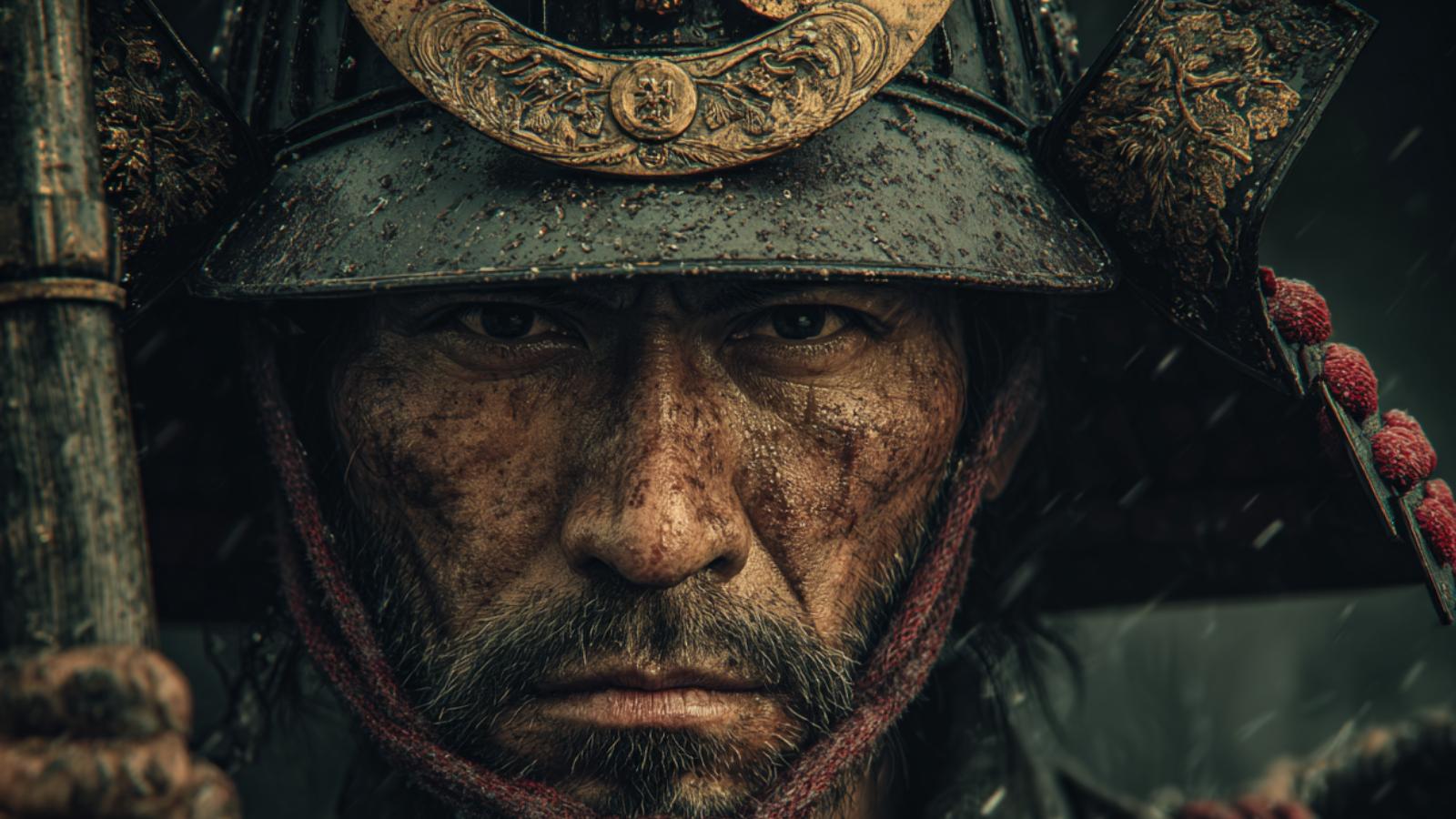
“武士は信を守るものである。”
— A warrior is one who protects his trust.

| Lead 統率 |
Valor 武勇 |
Intel 知略 |
Pol 政治 |
|---|---|---|---|
| 70 | 65 | 75 | 60 |
| Name (JP) | 井上 元兼 |
|---|---|
| Title | Chief Retainer |
| Clan / Force | Unknown |
| Era | 1570 – 1640 |
| Origin | Hizuma |
| Key Battles | |
| Arts | Noh Theatre |
About Inoue Motokane
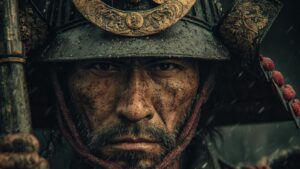
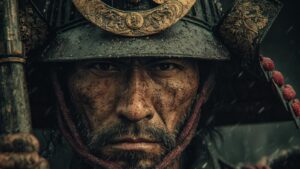
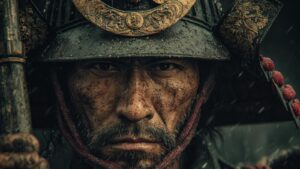
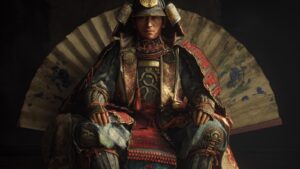
Growing up amidst a tumultuous political landscape, he developed a strong sense of loyalty and duty, which would define his career.
His early training in the martial arts and commitment to the code of Bushido set the foundation for his future as a samurai.
Motokane rose through the ranks as a capable retainer under a local daimyō.
His skills in governance and loyalty played critical roles during various clan disputes and engagements throughout his early career.
By the time the Tokugawa shogunate was established in the early 1600s, he had gained a reputation not only for his valor in battle but also for his diplomatic acumen that helped secure alliances and peace within the region.
During the pivotal that characterized the shift from the Sengoku period to the Edo period, Inoue Motokane distinguished himself as a capable commander.
He participated in several key skirmishes that established the dominance of his clan, often employing strategies that showcased his intelligence on the battlefield.
His personal valor was evident, though he preferred to lead his men from the front rather than seek personal glory, adhering closely to the samurai ethos.
Inoue Motokane passed away in 1640, leaving behind a of loyalty, strategic insight, and a commitment to the samurai code.
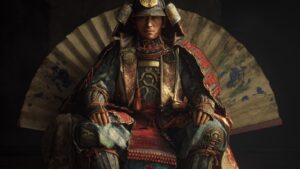
He is remembered as a chief retainer, whose contributions helped shape the stability and governance of the region during its transition to a new era.
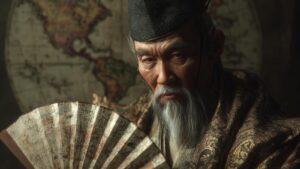
His dedication to both the art of combat and the culture of governance made him a respected figure among his peers.
comment