
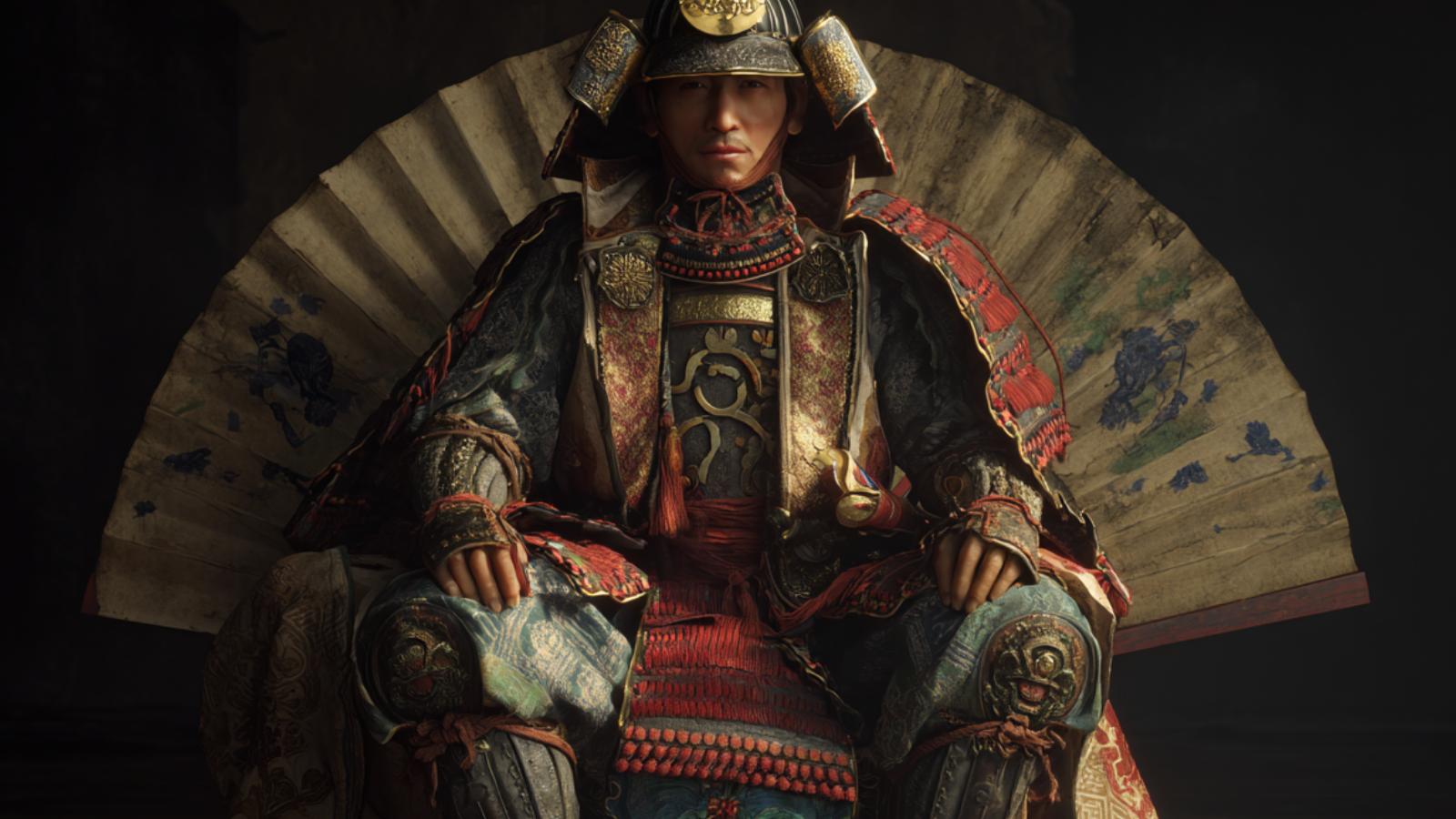
“自らの信念を貫くことが、我が道である。”
— To uphold my beliefs is my path.

| Lead 統率 |
Valor 武勇 |
Intel 知略 |
Pol 政治 |
|---|---|---|---|
| 75 | 70 | 80 | 60 |
| Name (JP) | 遠山 景元 |
|---|---|
| Title | Daimyo |
| Clan / Force | Oda Clan |
| Era | 1562 – 1625 |
| Origin | Shinano |
| Key Battles | |
| Arts | Calligraphy |
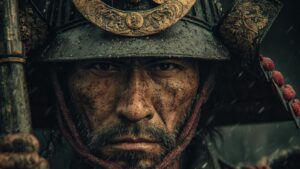
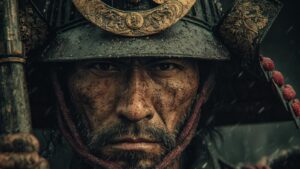
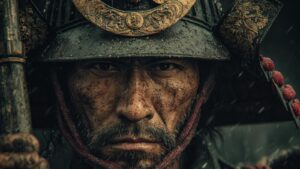
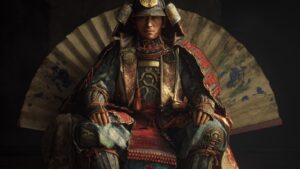
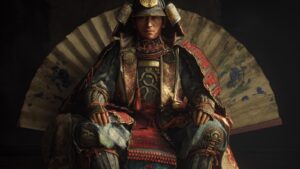
About Toyama Kagemoto
Coming from the prestigious lineage of Shugo, he was steeped in the martial and cultural values of the samurai from an early age.
His family was respected within their domain, and young Toyama demonstrated an aptitude for leadership and strategy that set him apart from his peers.
He was educated in both the arts of war and peace, which included traditional calligraphy, allowing him to appreciate the finer aspects of samurai culture.
As he matured, Kagemoto established himself as a capable leader, earning the loyalty of his retainers and the respect of his peers.
His ability to command troops was showcased during various skirmishes against rival clans in the region.
Through a series of clever strategies and bold maneuvers, he managed to expand his family’s influence, solidifying his position as a Daimyo by the time he was in his mid-thirties.
Kagemotos strategic prowess and valor earned him recognition among other warlords, and he became a key player in the political landscape of the late Sengoku period.
Kagemotos military career was marked by several critical that tested his leadership and combat skills.
He was instrumental in defending his territory against upstart clans and navigated complex alliances and conflicts with finesse.
In such as the Siege of Takato and conflicts within the region, he demonstrated his capability to adapt and formulate strategies that outmatched his opponents.
His troops were often inspired by his personal valor on the battlefield, which endeared him to his men and solidified his reputation as a respected warrior.
Toyama Kagemoto left behind a characterized by his commitment to samurai values and integrity.
He is remembered not only for his military accomplishments but also for his diplomatic efforts to stabilize his domain amid the chaos of the era.
Even after his death in 1625, Kagemotos principles of honor and strategy influenced future generations of samurai and daimyos.
To this day, he is celebrated as a skilled tactician whose contributions helped shape the history of the Shinano province and the greater landscape of Japan.
comment