
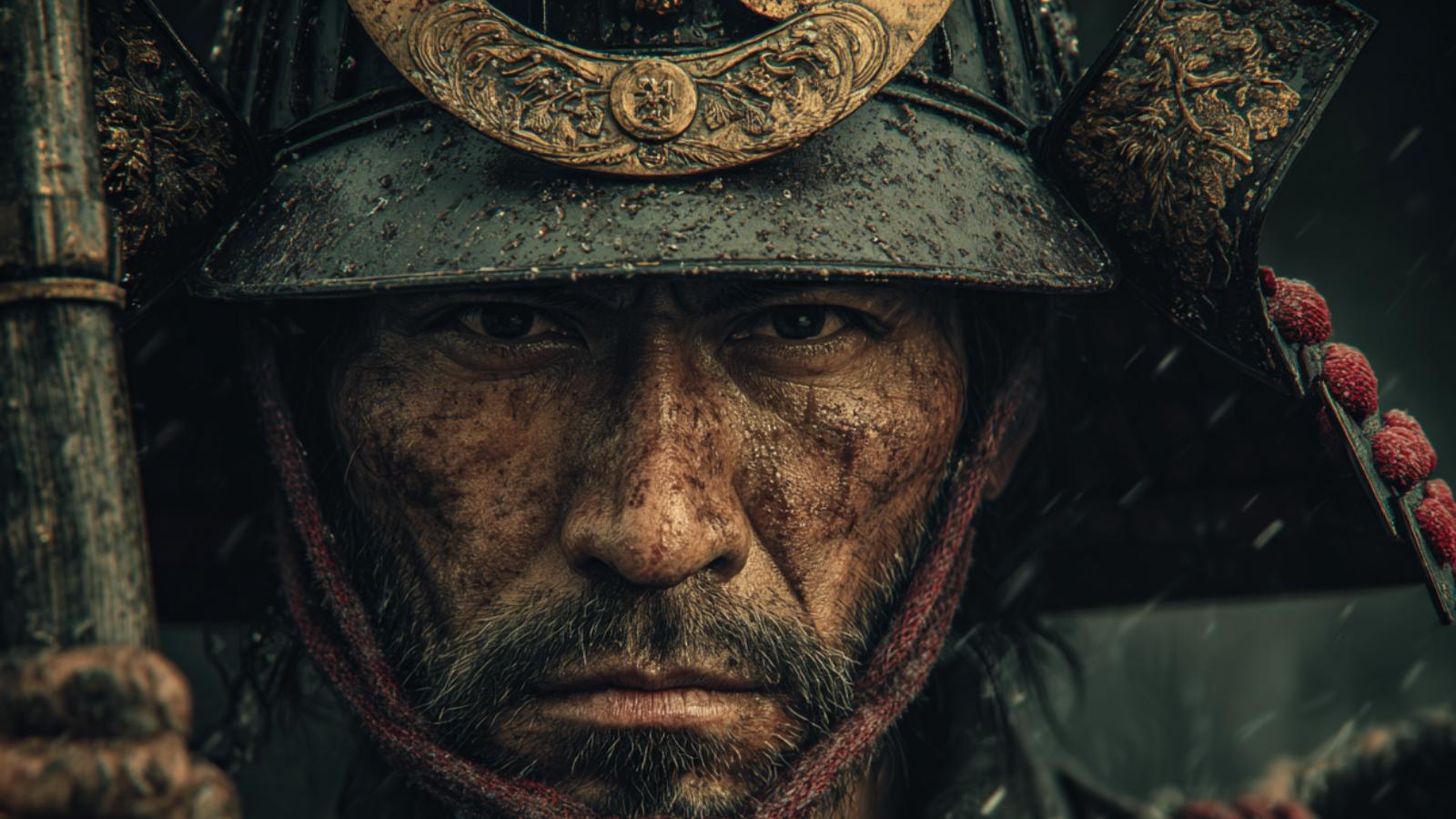
“勇気は心の盾である。”
— Courage is the shield of the heart.

| Lead 統率 |
Valor 武勇 |
Intel 知略 |
Pol 政治 |
|---|---|---|---|
| 72 | 68 | 77 | 62 |
| Name (JP) | 佐野 房綱 |
|---|---|
| Title | Hatamoto |
| Clan / Force | Unknown |
| Era | 1535 – 1592 |
| Origin | Shizuoka |
| Key Battles | |
| Arts | Martial Arts |
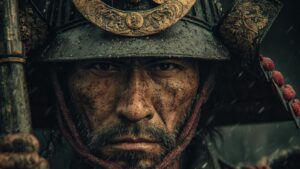
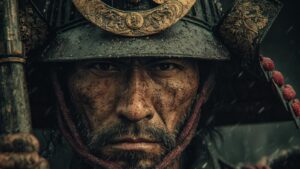
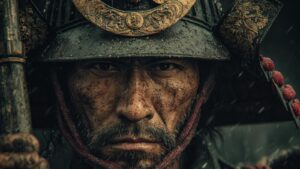
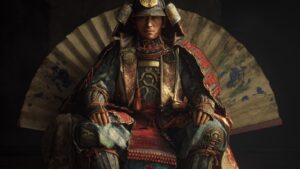
About Sano Fusatsuna
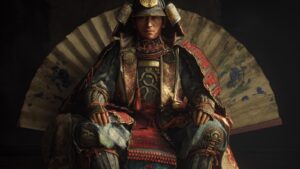
Growing up in a period marked by constant warfare and political intrigue, Fusatsuna was trained in the arts of strategy and combat from a young age.
His upbringing in the samurai culture instilled in him a deep sense of honor and duty to his lord.
Fusatsunas to prominence came during the turbulent times of the Sengoku period, where he served under various daimyos.
His strategic acumen began to shine as he participated in numerous campaigns, earning respect for his ability to devise flexible battle plans in the heat of conflict.
Over the years, he built a reputation as a dependable commander who could motivate his troops to victory against overwhelming odds.
Fusatsuna played a critical role in several key that defined the era, including engagements against rival clans vying for power in the region.
His bravery in personal combat made him a figure of inspiration among his peers and soldiers.
While not strictly a legend, his actions on the battlefield contributed significantly to the successes of his lord, showcasing a blend of valor and strategy that many warriors admired.
After his death in 1592, Sano Fusatsuna was remembered not only for his military contributions but also for the values he upheld: honor, loyalty, and courage.
His story serves as a reminder of the many capable generals whose names faded from the annals of history, yet whose contributions were crucial in shaping the samurai of Japan.
comment