
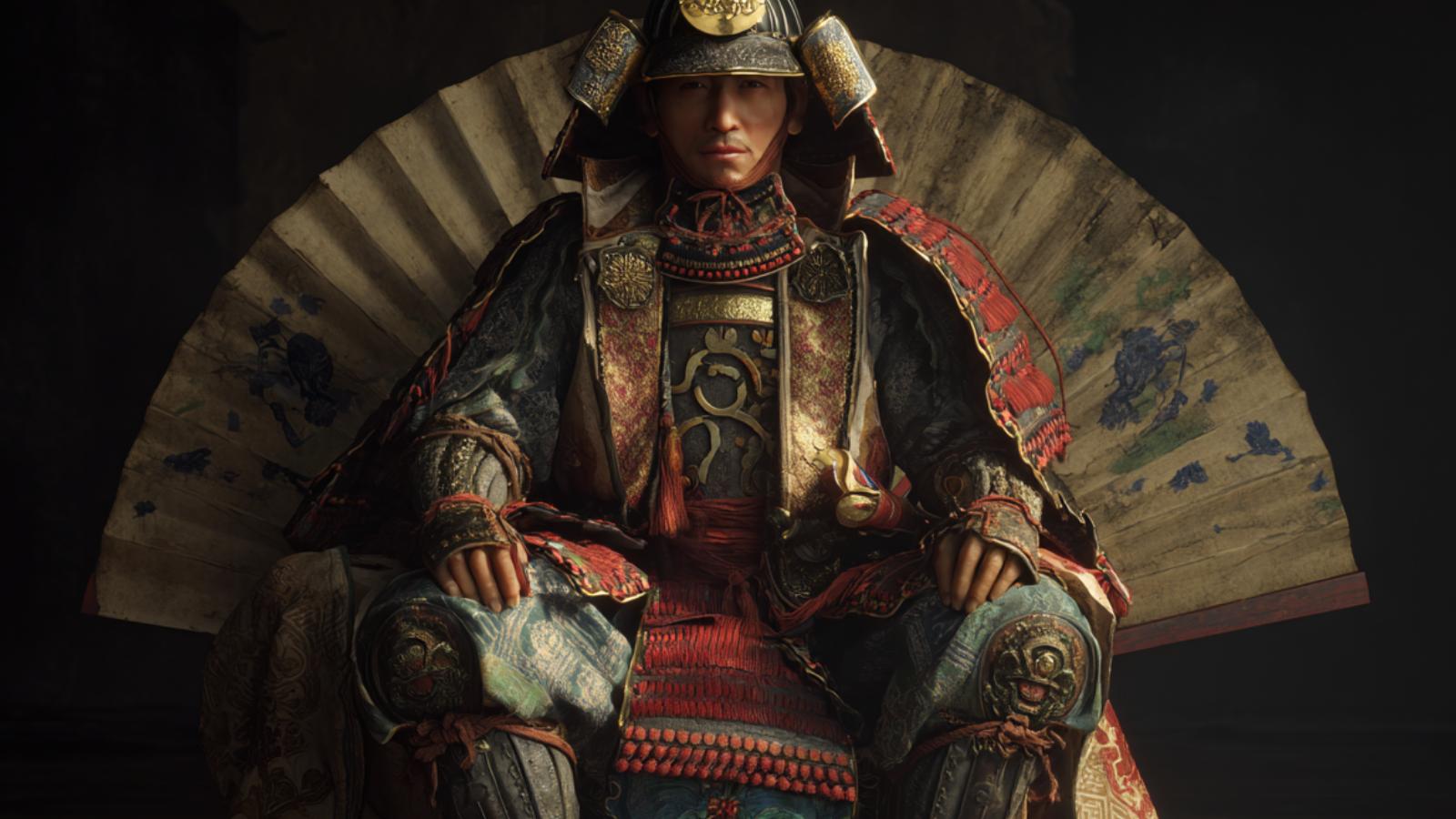
“武士道は一代限りだが、名は何世も残る。”
— The way of the samurai lasts only one generation, but a name endures for many.

| Lead 統率 |
Valor 武勇 |
Intel 知略 |
Pol 政治 |
|---|---|---|---|
| 75 | 70 | 68 | 64 |
| Name (JP) | 鮎貝 宗重 |
|---|---|
| Title | Daimyo |
| Clan / Force | Unknown |
| Era | 1560 – 1624 |
| Origin | Hōki |
| Key Battles | |
| Arts | Noh Theatre |
About Ayukai Muneshige
From a young age, he was tutored in the arts of combat and strategy, beginning his training under notable samurai of the region.
Muneshiges upbringing in a tumultuous time influenced his views on loyalty, honor, and the complex relationships between the various factions in Japan during the Sengoku period., Muneshige rapidly rose through the ranks due to his impressive leadership skills and valor on the battlefield.
By aligning himself with powerful lords, he cemented his status as a capable daimyo.
His military acumen was demonstrated during various skirmishes, where he utilized terrain to his advantage and showcased his ability to inspire his troops, earning their trust and loyalty., Throughout his career, Muneshige participated in several key of the Sengoku era.
While detailed accounts of his military engagements are sparse, records indicate that he was instrumental in several successful conflicts that solidified his familys influence in Hōki.
His ability to forge alliances and navigate the complex political landscape of the time contributed to his reputation as a valuable lord among his peers., Ayukai Muneshige passed away in 1624, leaving behind a of loyalty and honor.
His contributions to the feudal structure of Hōki and his role in the Sengoku period influenced future generations of samurai and daimyo.
Today, Muneshige is remembered not only for his military achievements but also for his engagement in the arts, particularly Noh theatre, which flourished in his province.
He serves as a reminder of the profound impact individual samurai had on shaping Japans history during a time of significant upheaval.









comment