
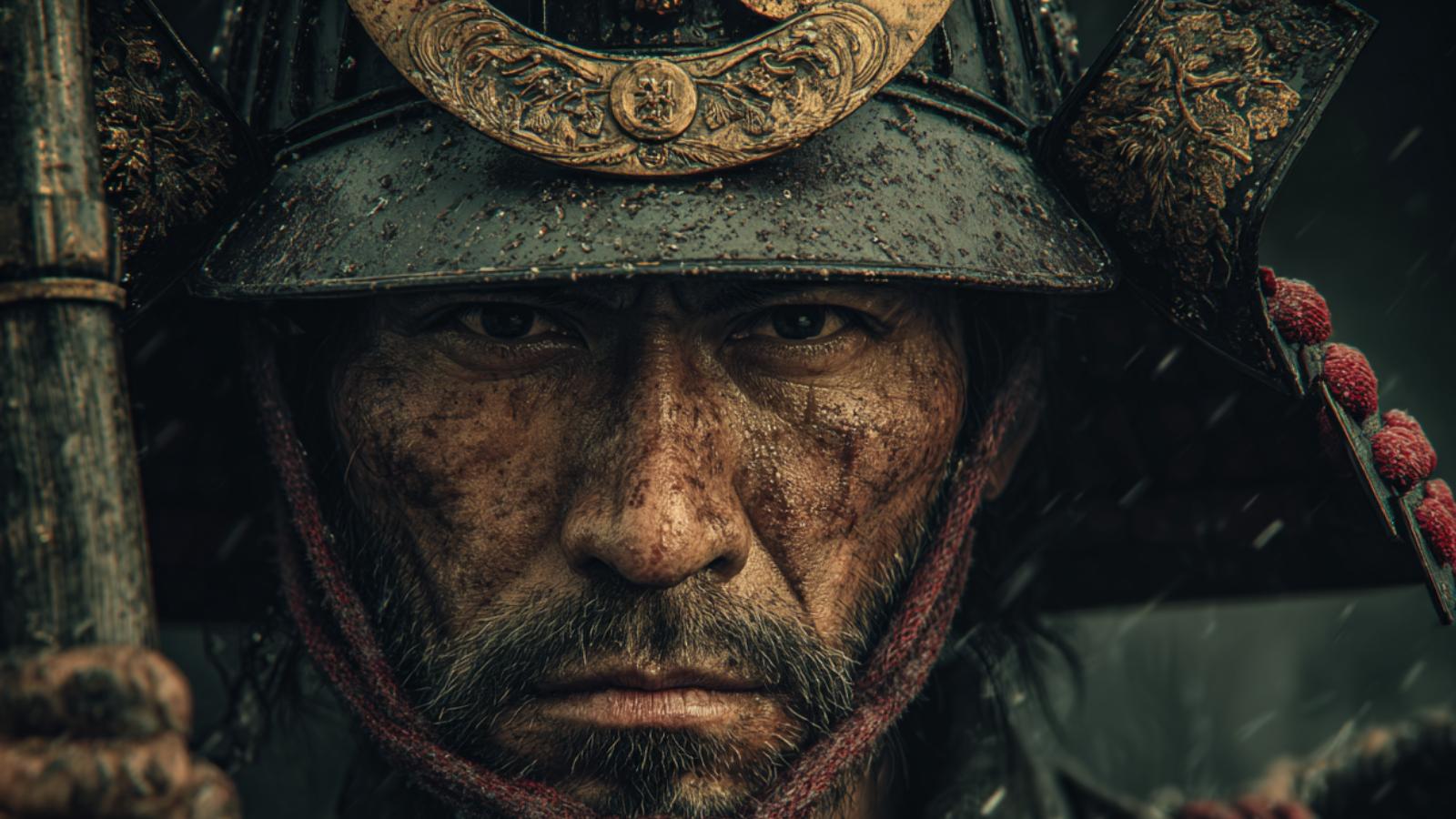
“力を合わせ、未来を切り開こう。”
— Let’s unite our strength and carve out the future.

| Lead 統率 |
Valor 武勇 |
Intel 知略 |
Pol 政治 |
|---|---|---|---|
| 72 | 68 | 75 | 65 |
| Name (JP) | 遠藤 基信 |
|---|---|
| Title | Retainer |
| Clan / Force | Unknown |
| Era | 1540 – 1615 |
| Origin | Mino |
| Key Battles | |
| Arts | Noh Theatre |
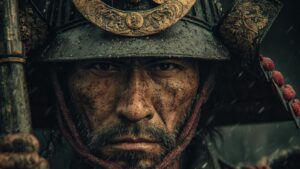
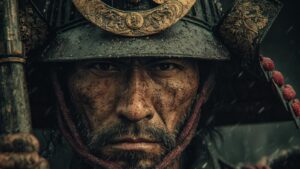
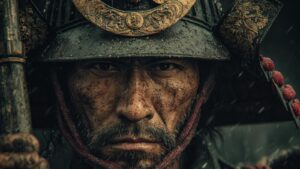
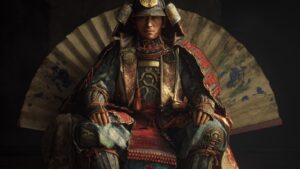
About Endo Motonobu
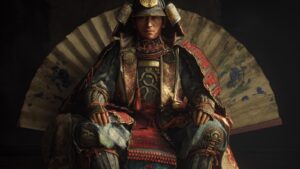
His early years were spent in the shadow of formidable leaders, where he honed his skills and understanding of warfare and strategy, setting the foundation for his future in battle.
As Motonobu matured, he quickly gained a reputation as a competent warrior and tactician.
He participated in several key engagements under the Oda banner, demonstrating not only bravery in combat but also an ability to adapt to the chaos of the Sengoku era.
His leadership during various skirmishes solidified his status among the retainers, and he was entrusted with more significant responsibilities as the wars escalated.
Motonobu fought in numerous campaigns, including the pivotal that led to the unification of Japan under Oda Nobunaga.
He was part of the forces in the siege of Inabayama Castle and later the famous Battle of Nagashino in 1575, where his tactical acumen played a role in the innovative use of firearms during the conflict.
Although not as renowned as some of his contemporaries in terms of direct combat, his contributions as a supportive commander were vital to the Oda’s sustained military successes.
Endo Motonobu’s is marked by his unwavering loyalty and dedication to the Oda clan during turbulent times.
While he may not have achieved legendary status like Oda Nobunaga or Tokugawa Ieyasu, his contributions in strategy and governance helped shape the political landscape of Japan in the late 16th century.
He passed away in 1615 but is remembered as a capable general who remained steadfast during the transformative period of Japans history.
comment