
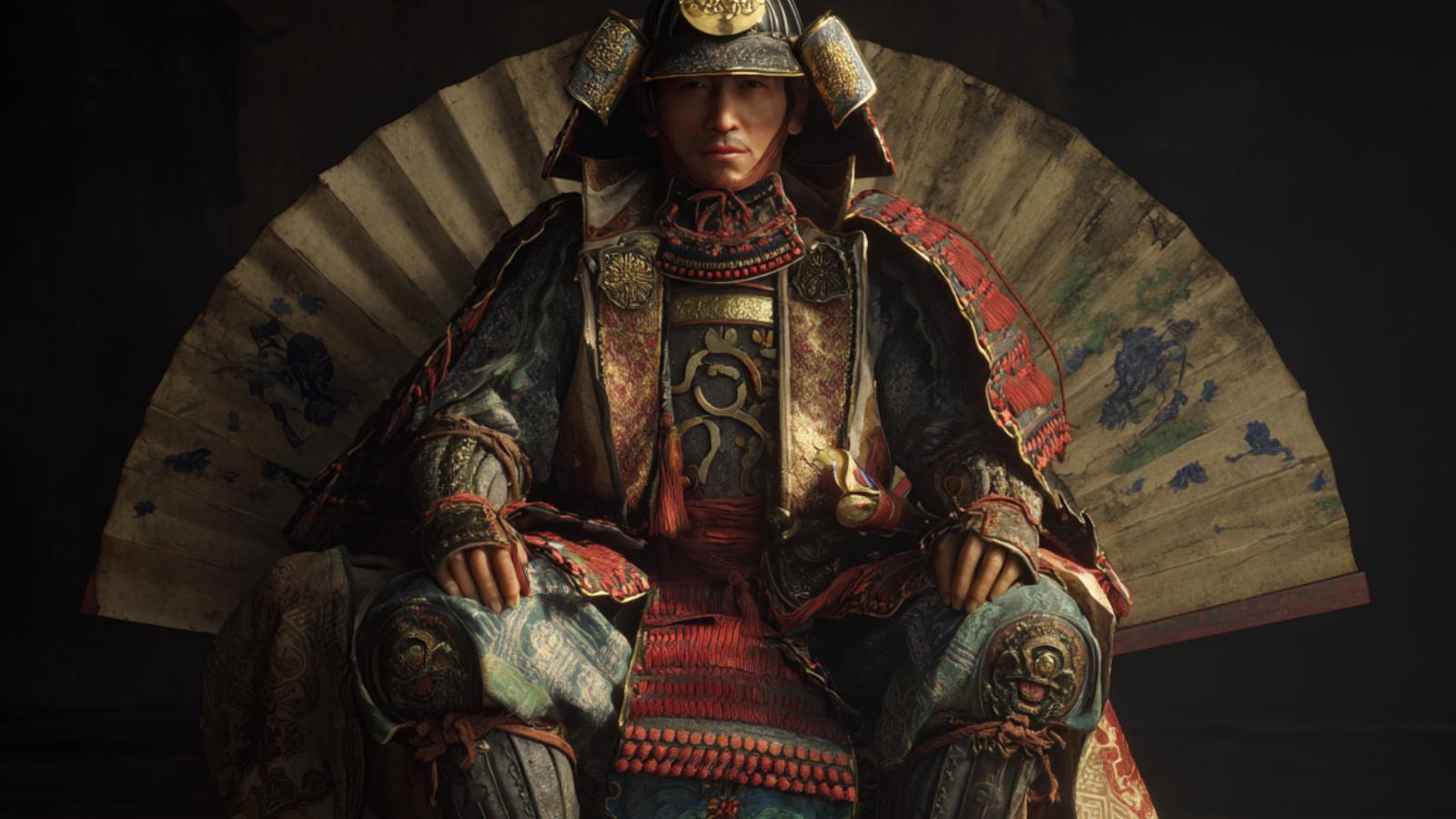
“武士の道は、心の鍛練にある。”
— The path of the samurai lies in the training of the heart.

| Lead 統率 |
Valor 武勇 |
Intel 知略 |
Pol 政治 |
|---|---|---|---|
| 75 | 80 | 70 | 65 |
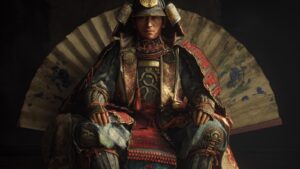
| Name (JP) | 大崎 義直 |
|---|---|
| Title | Daimyo |
| Clan / Force | Matsura Clan |
| Era | 1563 – 1639 |
| Origin | Mutsu |
| Key Battles | |
| Arts | Architecture |
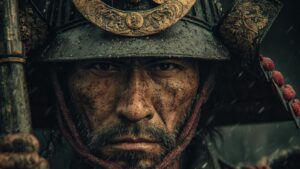
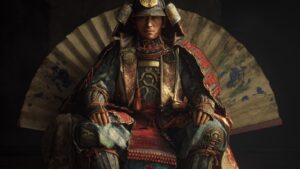
About Osaki Yoshinao
His early years were marked by a commitment to both martial training and the study of governance, laying the groundwork for his future as a leader.
He was known to possess a keen intellect, but what truly set him apart was his dedication to his warriors and the people of his domain.
As tensions brewed across Japan during the Sengoku period, Yoshinao quickly rose through the ranks due to his strategic mind and valor on the battlefield.
He joined several regional conflicts, standing out particularly during the against rival clans, where his leadership and bravery earned him the respect of his peers and subordinates alike.
By the late 1580s, he was appointed as a daimyo, overseeing a significant portion of Mutsu Province.
His governance style combined a firm military stance with an emphasis on justice and welfare, greatly benefiting his region.
Yoshinao participated in numerous throughout his career, demonstrating a robust command of military tactics.
His most renowned engagement was the Battle of Sendai, where he faced off against the Date clan.
Despite being outnumbered, his tactical maneuvers and the fierce loyalty of his troops led to a surprising victory, cementing his reputation as a formidable leader.
His valor and strategic insights became the foundation for his eventual, earning him a place in the annals of Japanese history as a capable and respected daimyo.
Osaki Yoshinao passed away in 1639, leaving behind a built upon loyalty, strategic acumen, and strong governance.
His contributions to both military and civil life in Mutsu Province would be remembered fondly by his descendants and historians alike.
His philosophy of governance, rooted in the idea that the heart of a ruler should be cultivated and disciplined like that of a warrior, continues to be a guiding principle for leaders in the region to this day.
comment