
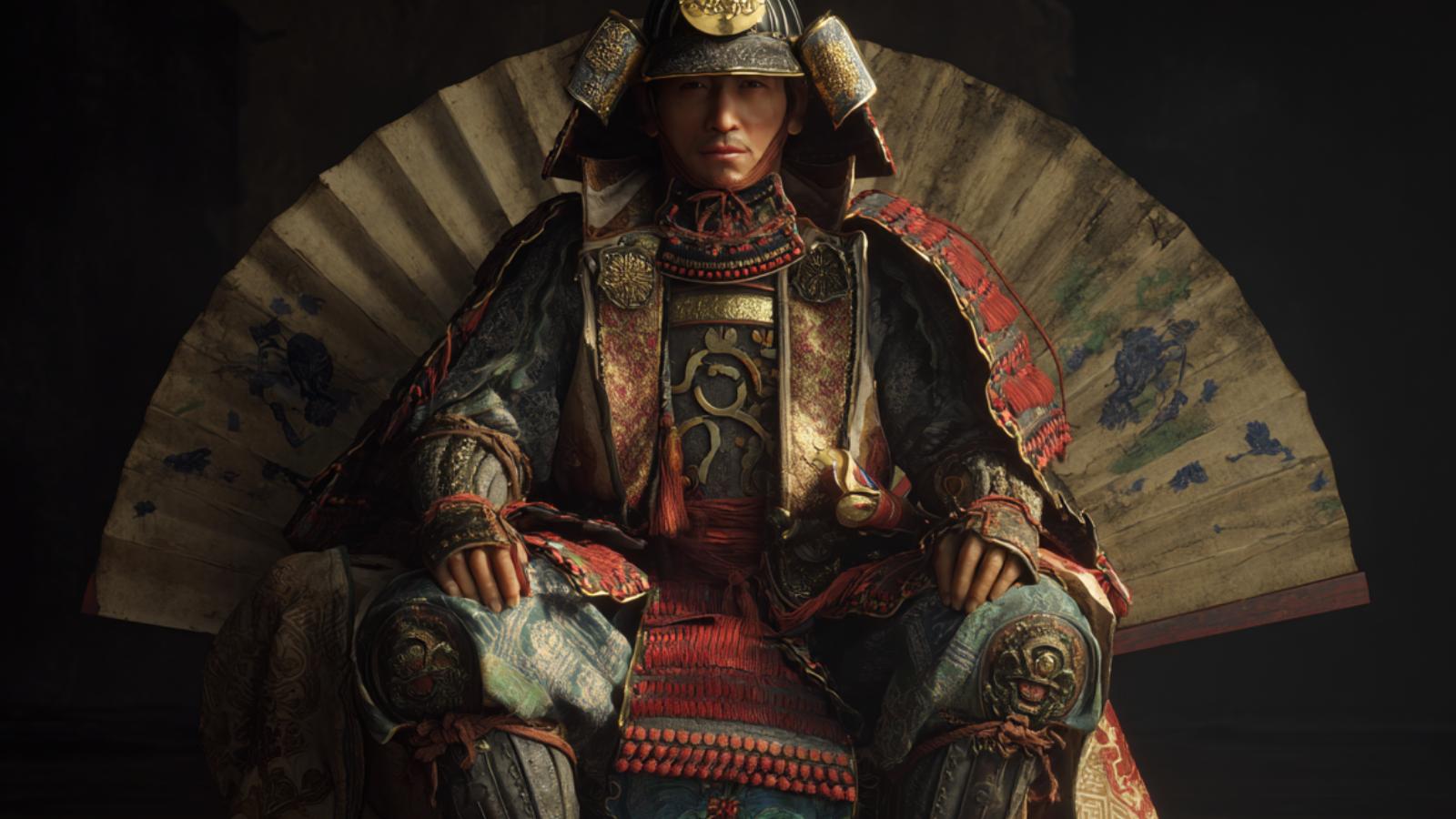
“智恵を武器に、国を治める。”
— Govern the land with wisdom as your weapon.

| Lead 統率 |
Valor 武勇 |
Intel 知略 |
Pol 政治 |
|---|---|---|---|
| 75 | 70 | 78 | 65 |
| Name (JP) | 多賀谷 重経 |
|---|---|
| Title | Daimyo |
| Clan / Force | Minamoto Clan |
| Era | 1555 – 1623 |
| Origin | Echizen |
| Key Battles | |
| Arts | Tea Ceremony |
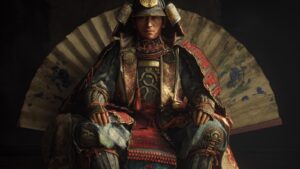
About Tagaya Shigetsune
From a young age, he was trained in the ways of the samurai, combining martial skills with the philosophical teachings of Bushido.
His childhood was marked by an early fascination with both warfare and administrative duties, which set the stage for his future as a formidable leader., , As Shigetsune matured, he quickly gained recognition for his competent leadership and strategic mind.
In the turbulent period leading up to the unification of Japan, he aligned himself with various powerful clans, skillfully navigating the complex political landscape.
He emerged as a respected daimyo, commanding loyalty from his retainers, and establishing his rule in Echizen during a time of uncertainty., , Shigetsune participated in numerous skirmishes throughout his career, displaying both valor and tactical prowess.
In against rival clans, he was known for his ability to inspire his men, as well as for his adept use of terrain in combat strategies.
His passion for the arts also influenced his approach to warfare, blending aesthetics with martial efficiency., , Tagaya Shigetsune passed away in 1623, leaving a lasting impact on his province.
His is reflected not only in the military achievements but also in his contributions to governance and culture.
As a patron of the Tea Ceremony, he emphasized the importance of arts within samurai culture, which helped to elevate the social stature of the samurai class long after his death.




comment