
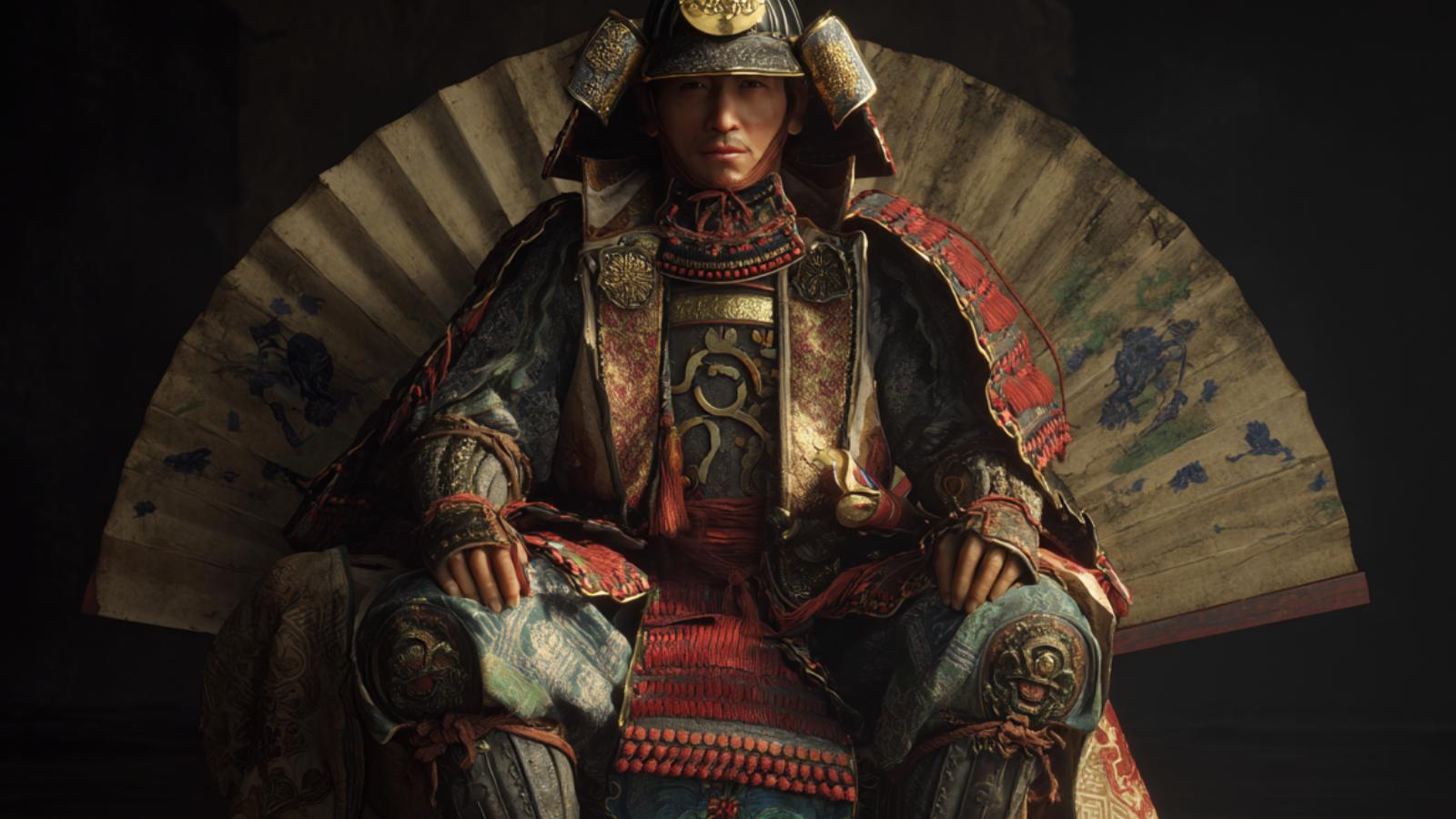
“志を持つ者、道を開く。”
— He who holds aspirations will pave his own way.

| Lead 統率 |
Valor 武勇 |
Intel 知略 |
Pol 政治 |
|---|---|---|---|
| 75 | 70 | 80 | 65 |
| Name (JP) | 結城 晴朝 |
|---|---|
| Title | Daimyo |
| Clan / Force | Uesugi Clan |
| Era | 1550 – 1615 |
| Origin | Shimotsuke |
| Key Battles | |
| Arts | Calligraphy |
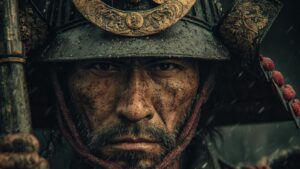
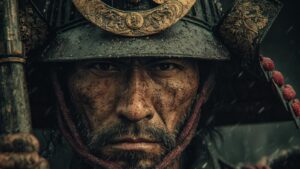
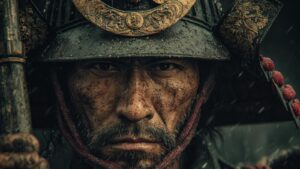
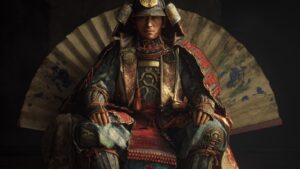
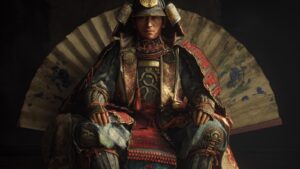
About Yuki Harutomo
From a young age, he was instilled with the values of bushido and the importance of loyalty and honor.
His upbringing in a warrior family made him keenly aware of the political turbulence that characterized the Sengoku period.
Harutomo received rigorous training in martial skills and studied strategy, laying the groundwork for his future as a capable leader.
As a young samurai, Harutomo quickly distinguished himself in local skirmishes and gained a reputation as a formidable warrior.
His loyalty to his lord and strategic prowess brought him to the attention of regional leaders, allowing him to through the ranks.
By the time he was in his thirties, he had solidified his status as a daimyō, commanding respect and admiration from his peers.
His ambition drove him to forge alliances that were essential for his ambitions in the ongoing conflicts of the time.
Yuki Harutomo actively participated in several key during the late Sengoku period.
His most notable engagement came during the Siege of Takeda, where his strategic insights dramatically improved the chances of victory for his forces.
While not the mightiest warrior on the battlefield, his ability to devise clever strategies and adapt to changing circumstances marked him as a respected general.
Despite facing numerous challenges, including rival factions and shifting allegiances, Harutomo’s presence was often a stabilizing factor for his troops.
Yuki Harutomo left behind a as a capable and intelligent leader whose contributions were as much cultural as they were military.
Apart from his involvement in, he was passionate about the arts, particularly calligraphy, and was known for his patronage of artists and scholars.
He played a role in nurturing the cultural landscape of his domain, believing that a strong culture could enhance a peoples resilience.
After his death in 1615, Harutomo was remembered not only as a warrior but also as a promoter of the arts, finding a lasting place in the annals of Japanese history.
comment