
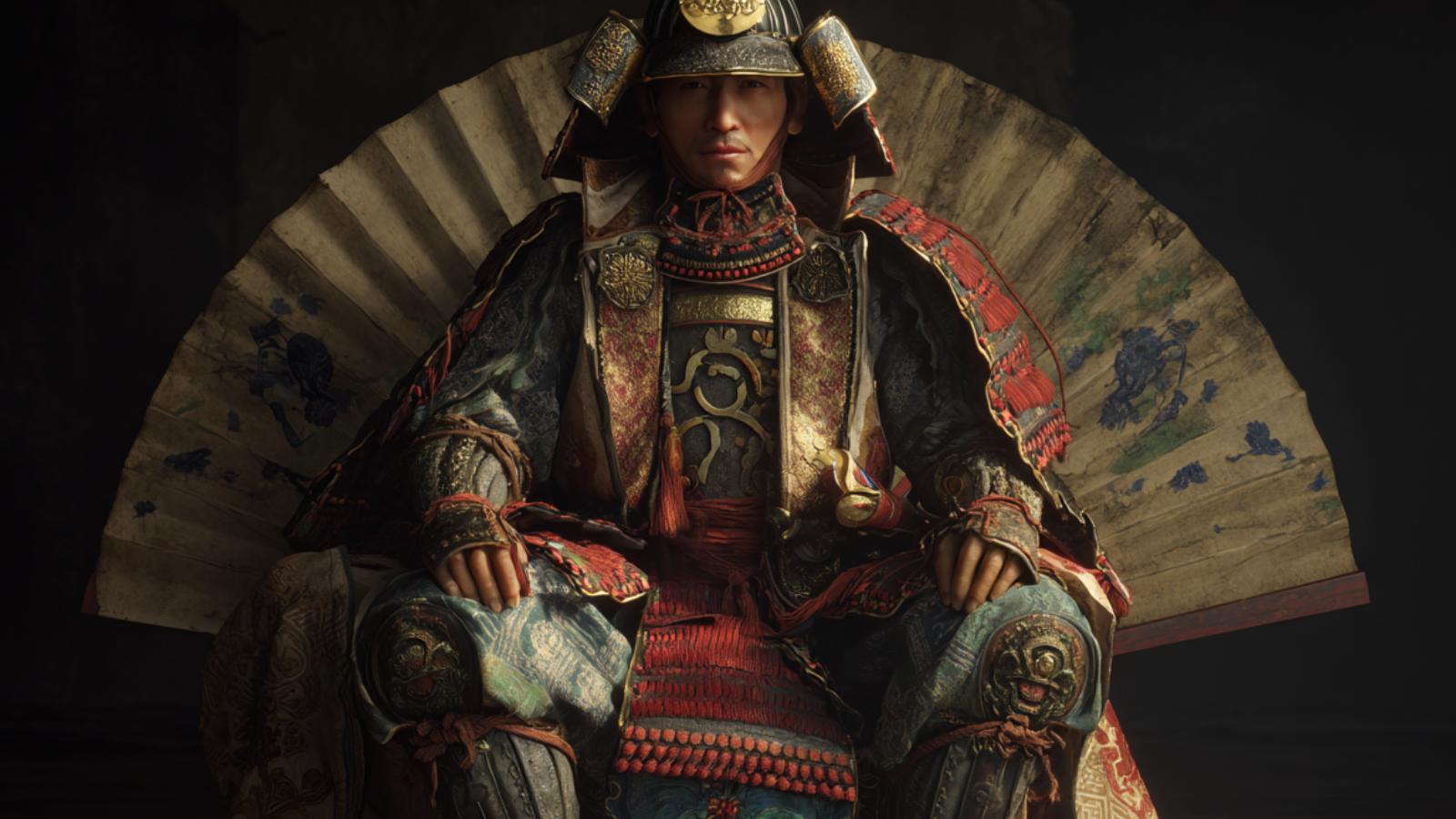
“小さな戦いが大きな勝利を生む。”
— Small battles lead to great victories.

| Lead 統率 |
Valor 武勇 |
Intel 知略 |
Pol 政治 |
|---|---|---|---|
| 75 | 70 | 78 | 65 |
| Name (JP) | 上田 朝直 |
|---|---|
| Title | Daimyo |
| Clan / Force | Unknown |
| Era | 1557 – 1610 |
| Origin | Shinano |
| Key Battles | |
| Arts | Ikebana |
About Ueda Tomonao
His was marked by the conflicts of the Sengoku period, where he was educated in the ways of warfare and strategy under the tutelage of his father.
Tomonao displayed a keen intellect and skill, which would later contribute to his as a respected leader in the region.
As he matured, Tomonao aligned himself with the powerful Takeda clan, showcasing his talents during various skirmishes against rival clans.
His leadership abilities began to shine, earning him respect among his peers and recognition by his lord.
As the Takeda clan faced increasing challenges, Tomonaos strategies became instrumental in maintaining the clans influence in Shinano.
Tomonao participated in several critical during the late 16th century, including those against the forces of Uesugi and Oda.
His command and bravery in these engagements solidified his reputation as a capable general.
While the Takeda clan eventually faced downfall, Tomonao managed to navigate the turbulent political landscape by aligning with new powers and maintaining his influence even as the era shifted toward unification under Tokugawa Ieyasu.
Ueda Tomonaos is marked by his tactical prowess and ability to survive through a tumultuous period in Japanese history.
Though not as famed as some contemporaries, his contributions to the of the Sengoku period and his insight into governance left a lasting impact on the region.
Tomonaos philosophy of small leading to greater victories resonates in the realm of strategy and combat even today.









comment