
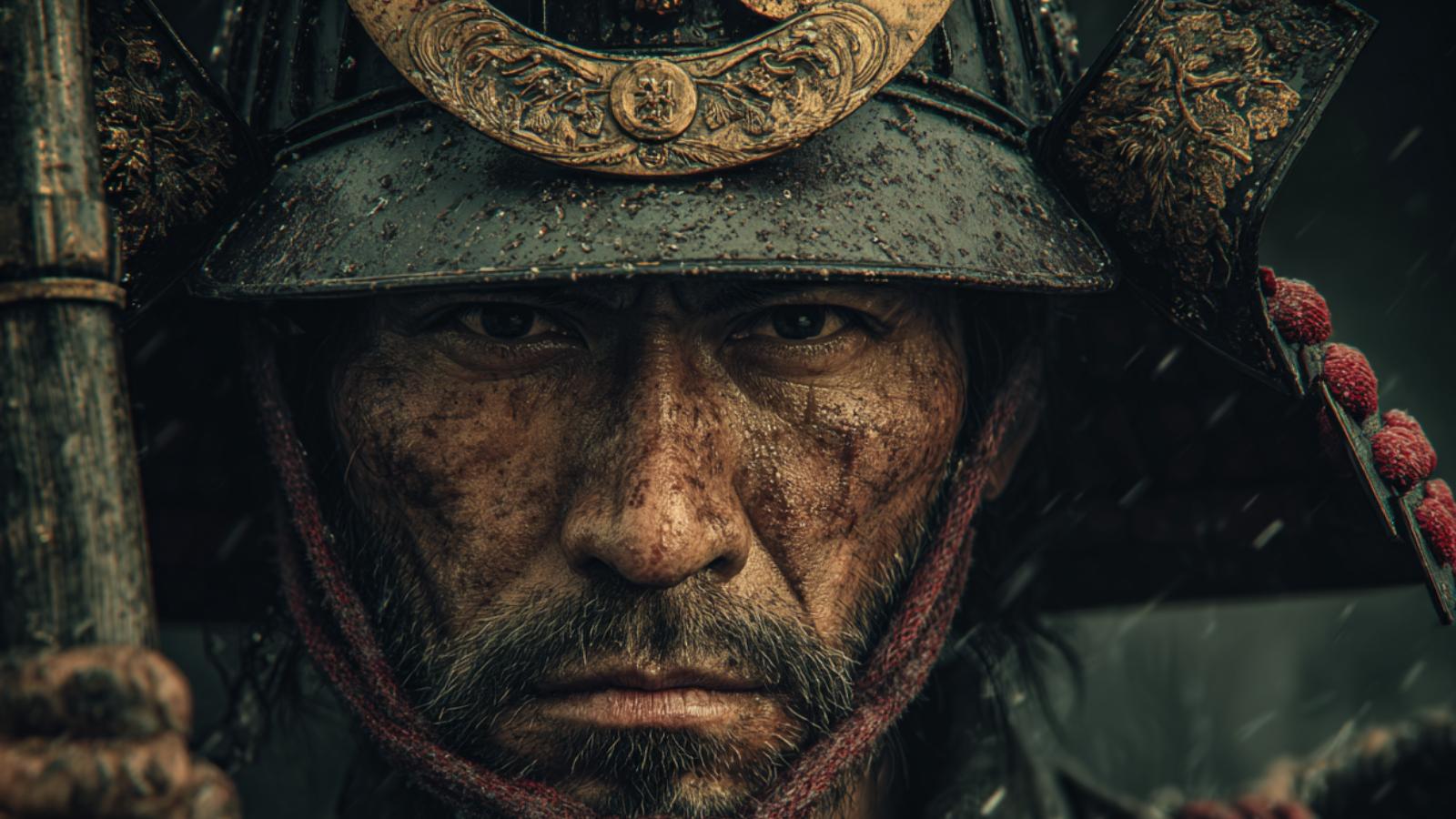
“武士は誇り高き者なり。”
— A warrior must uphold their pride.

| Lead 統率 |
Valor 武勇 |
Intel 知略 |
Pol 政治 |
|---|---|---|---|
| 65 | 70 | 75 | 60 |
| Name (JP) | 安田 顕元 |
|---|---|
| Title | Sōdaikan |
| Clan / Force | Unknown |
| Era | 1517 – 1573 |
| Origin | Sakai |
| Key Battles | |
| Arts | Martial Arts |
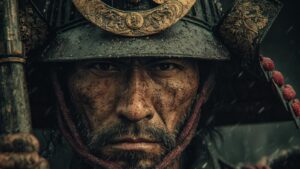
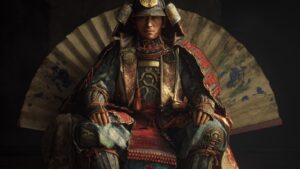
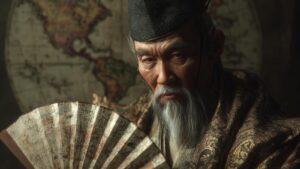
About Yasuda Akimoto
Coming from a samurai lineage, he was educated in the ways of the sword and strategy from a young age, honing his skills that would later define his .
Akimotos early years were marked by the feudal turmoil of Japan, a fertile ground for rising warriors seeking to make their mark in history.
Akimotos began under the service of powerful daimyos in the region.
His loyalty and tactical insight caught the attention of prominent warlords, providing him with opportunities to showcase his abilities in various skirmishes.
Over the years, he became known not only for his martial skills but also for his strategic thinking, making him a valuable retainer in the unstable landscape of late Sengoku Japan.
Throughout his life, Akimoto fought in numerous, defending his lords interests and expanding territory.
His most notable engagement was the defense against rival clans, where his strategies helped secure key victories.
His competence on the battlefield earned him respect among peers and fear among foes, solidifying his reputation as a capable general.
However, despite his successes, he navigated the complexities of samurai politics, often working behind the scenes to ally with other influential figures to reinforce his lords power.
Yasuda Akimoto passed away in 1573, leaving behind a as a skilled warrior and a respected leader.
His contributions to the clans military endeavors were significant, and he is remembered in historical accounts as a reliable commander whose honor and bravery inspired those who served under him.
Today, the tale of Akimoto reminds us of the exploits and the values celebrated in the samurai code.

comment