
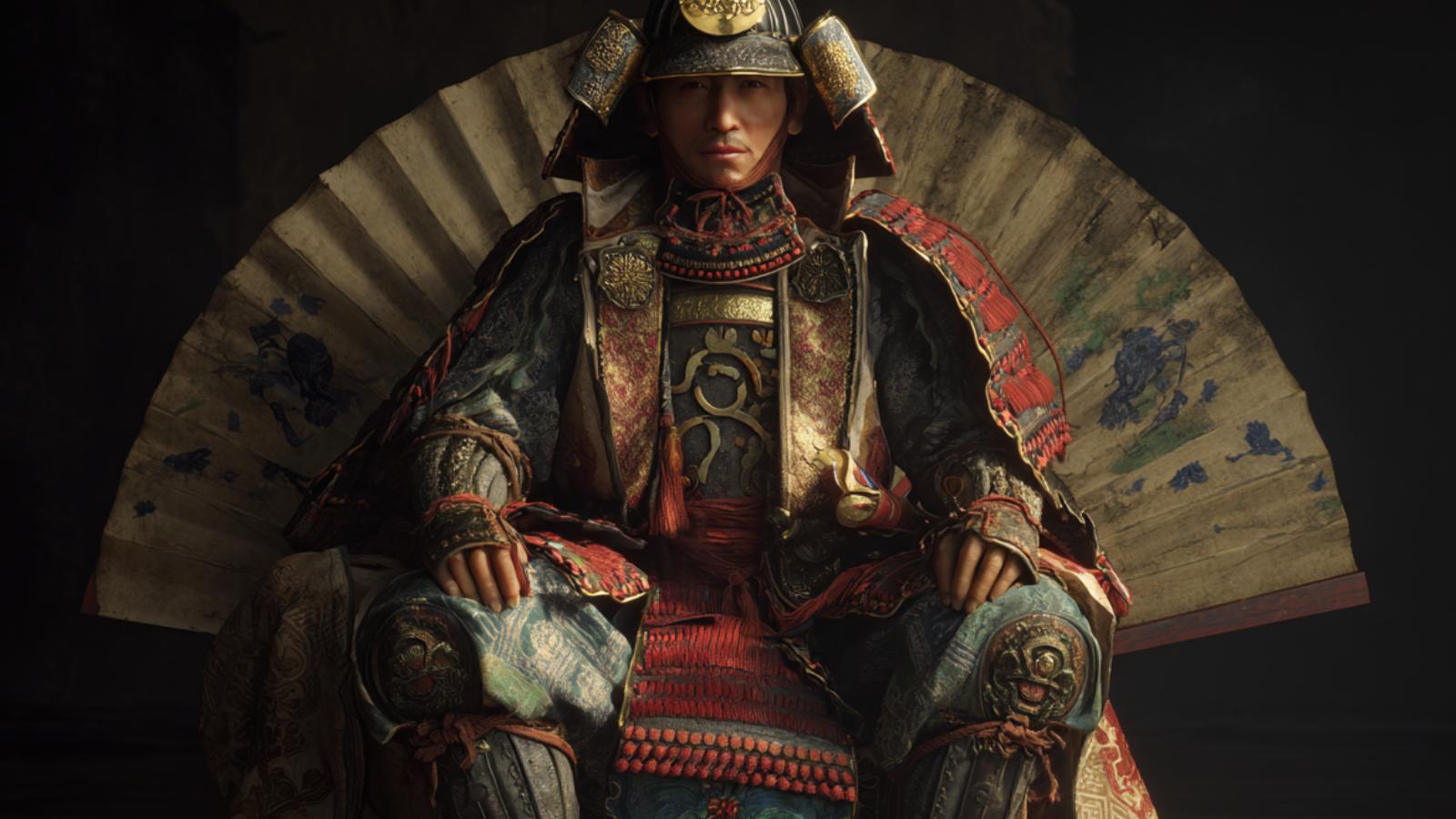
“武士は死ぬことを恐れてはいけない。”
— A samurai should not fear death.

| Lead 統率 |
Valor 武勇 |
Intel 知略 |
Pol 政治 |
|---|---|---|---|
| 75 | 70 | 78 | 65 |
| Name (JP) | 北条 高広 |
|---|---|
| Title | Daimyo |
| Clan / Force | Hojo Clan |
| Era | 1561 – 1623 |
| Origin | Sagami |
| Key Battles | |
| Arts | Noh Theatre |
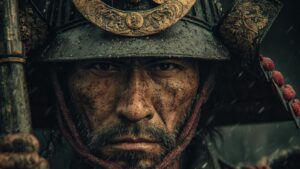
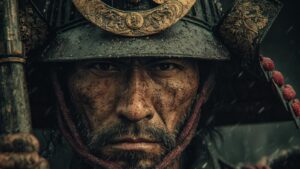
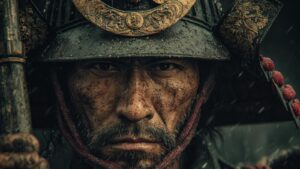
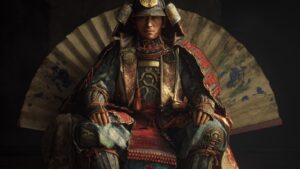
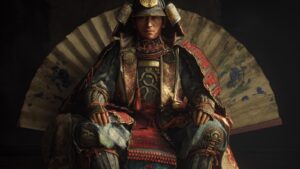
About Kitajo Takahiro
Growing up in a period characterized by intense warfare, he was well acquainted with the art of combat from an early age.
His lineage as a Shugo positioned him within the ranks of the powerful samurai class, endowing him with certain privileges and expectations as he matured.
His early training under seasoned warriors helped to refine not only his combat skills but also his understanding of military strategies, laying a solid foundation for his future exploits.
As a young warrior, Takahiro demonstrated a knack for leadership and tactical planning.
By the time he reached adulthood, he had already begun carving out a reputation for himself in the regional conflicts that were rampant in Japan.
His strategic mind allowed him to adapt to the changing tides of war, and he quickly earned the respect of his peers.
During the political upheaval that marked the late Sengoku period, Takahiro aligned himself with the more powerful factions, further solidifying his position in the feuding landscape of Japan.
He eventually rose to the rank of Daimyo, commanding a significant territory and wielding considerable influence over his clansmen and neighboring domains.
Takahiros military career was marked by numerous engagements, each showcasing his determination and skill as a commander.
He participated in various against rival clans and consolidated his power through strategic alliances and decisive victories.
His valor was evident on the battlefield, where he led from the front, commanding his troops with a presence that inspired loyalty.
Although not without defeat, his ability to regroup and adapt contributed greatly to his longevity in the tumultuous Sengoku period.
His tactical decisions often turned the tide in his favor, earning him accolades from both allies and enemies alike.
Kitajo Takahiros extends beyond just military exploits; he played a crucial role in the governance of his domain.
His approach to leadership balanced traditional samurai values with progressive initiatives that benefitted the local populace.
The focus on arts and culture during his rule, including the promotion of Noh theatre, reflects his belief in the importance of intellectual and artistic development in society.
Takahiros death in 1623 marked the end of a significant era, yet his influence continued to be felt in the region, as many of his policies and cultural endorsements shaped the course of future generations in Japan.
comment