
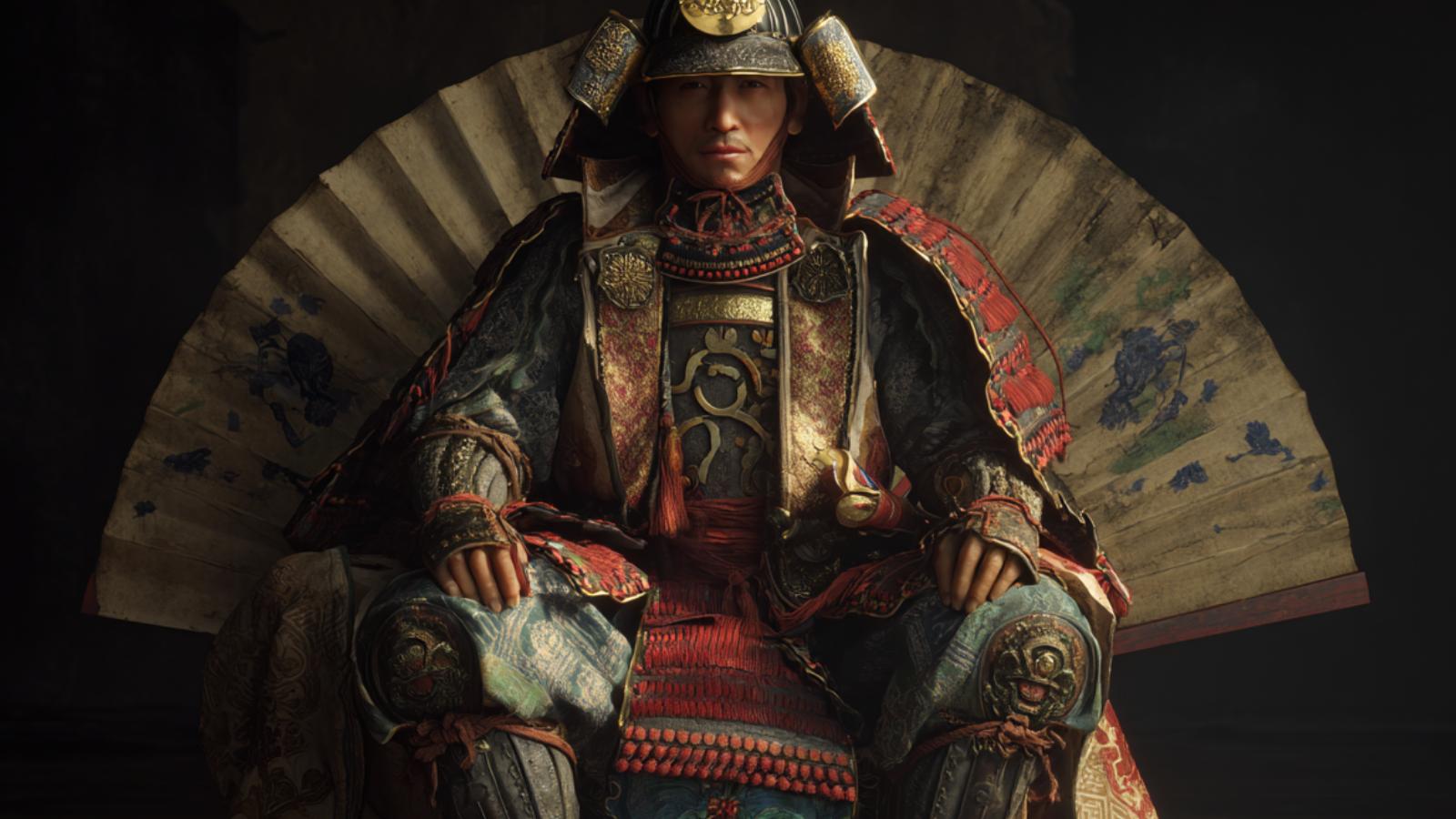
“知恵と勇気は勝利の鍵である。”
— Wisdom and courage are the keys to victory.

| Lead 統率 |
Valor 武勇 |
Intel 知略 |
Pol 政治 |
|---|---|---|---|
| 78 | 75 | 85 | 70 |
| Name (JP) | 保科 正俊 |
|---|---|
| Title | Daimyo |
| Clan / Force | Takeda Clan |
| Era | 1612 – 1670 |
| Origin | Shinano |
| Key Battles | |
| Arts | Noh Theater |
About Hoshina Masatoshi
He hailed from the Hoshina clan, a respected line of samurai with historical ties to powerful daimyos.
His early education was steeped in the martial arts and the philosophical teachings of Confucianism, shaping both his combat skills and his approach to governance.
Masatoshi quickly rose through the ranks due to his keen intellect and bravery on the battlefield.
He gained the respect of his peers during various skirmishes against rival factions, proving himself a capable commander during the unification of Japan in the early Edo period.
Throughout his career, Masatoshi fought in several notable, demonstrating not only his valor but also his strategic acumen.
His most famous engagement came during the Siege of Ueda, where his tactical ingenuity turned the tide in favor of his forces.
His reputation as a formidable leader solidified his position as a key player in the political landscape of the time.
Hoshina Masatoshi is remembered not only for his military exploits but also for his contributions to the cultural aspects of samurai life.
By patronizing Noh theater, he ensured that the arts flourished under his rule.
His lives on, as he is regarded as a wise leader and skilled general in the history of the Sengoku and Edo periods.









comment