
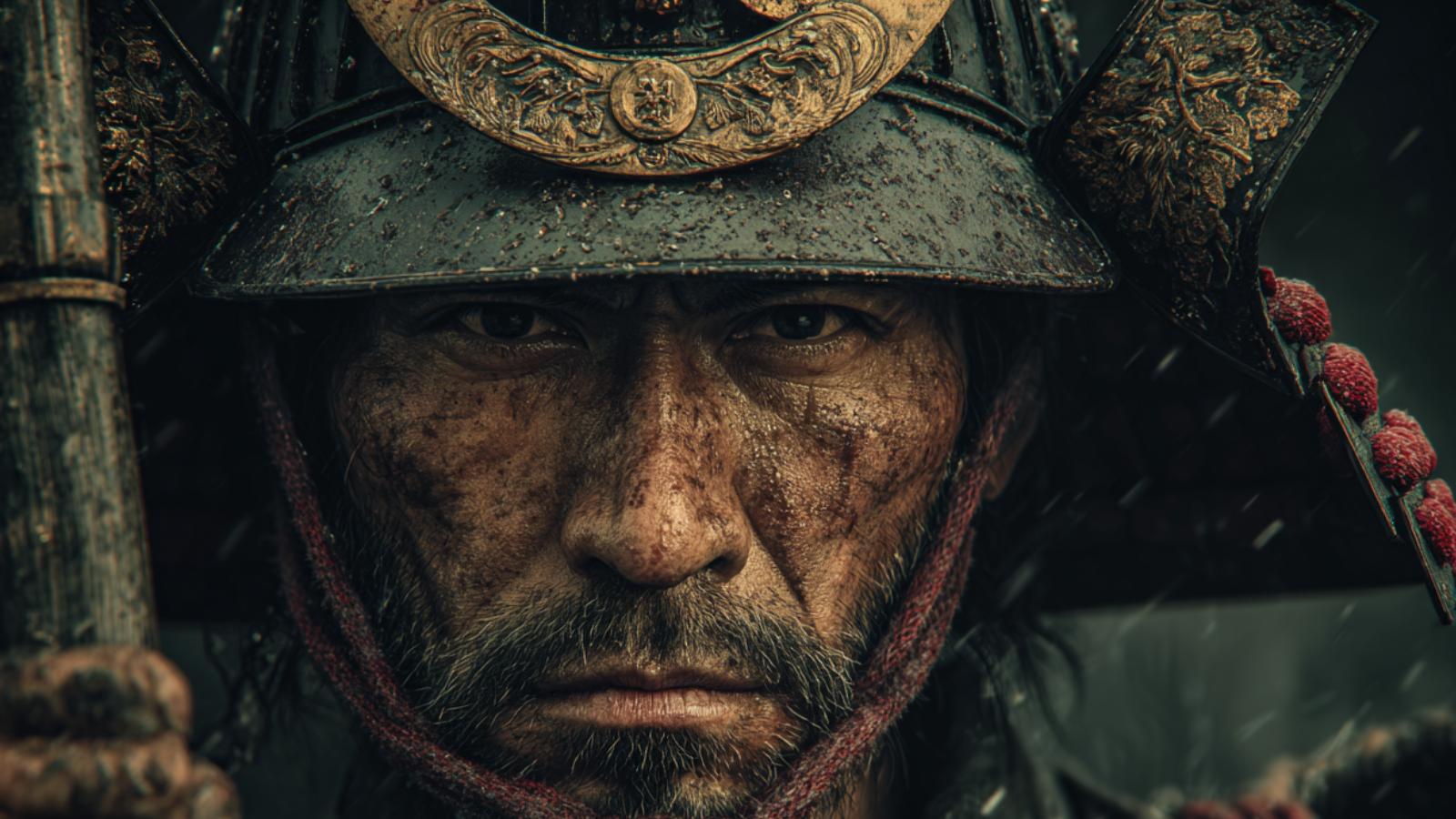
“戦は常に勝って、屈することはない。”
— In battle, one must always triumph and never submit.

| Lead 統率 |
Valor 武勇 |
Intel 知略 |
Pol 政治 |
|---|---|---|---|
| 75 | 70 | 68 | 62 |
| Name (JP) | 駒井 政武 |
|---|---|
| Title | Samurai |
| Clan / Force | Unknown |
| Era | 1560 – 1623 |
| Origin | Mutsu |
| Key Battles | |
| Arts | Calligraphy |
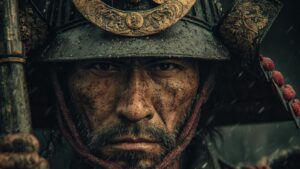
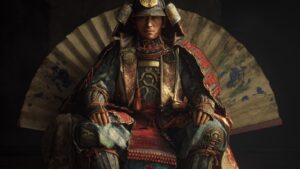
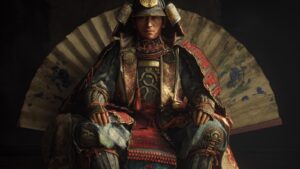
About Komai Masatake
His was marked by the constant strife of the Sengoku period, which greatly influenced his path toward becoming a warrior.
He received training from local lords and developed skills suitable for combat and governance.
As a young samurai, Masatake became involved in various conflicts that arose across Japan in the late 16th century.
His loyalty to his lord and adeptness in strategy earned him recognition, allowing him to through the ranks.
By the age of thirty, he had become a respected military leader on the battlefield.
Masatakes notable engagements included pivotal skirmishes during the unification of Japan under the Tokugawa clan.
His understanding of tactics played a key role in several victories, earning him the respect of his peers and adversaries alike.
Though he did not achieve the legendary status of figures like Nobunaga or Ieyasu, his contributions were significant in shaping the strategies of his time.
Komai Masatake passed away in 1623, leaving behind a of loyalty and martial competence.
While not a household name in the annals of Japanese history, his dedication to his lord and his skills as a tactician have earned him a place among the capable samurai of his era.
comment