

“忠義を尽くすことこそが、真の武士道である。”
— To fulfill loyalty and righteousness is the true essence of the samurai spirit.

| Lead 統率 |
Valor 武勇 |
Intel 知略 |
Pol 政治 |
|---|---|---|---|
| 74 | 72 | 68 | 67 |
| Name (JP) | 小幡 昌盛 |
|---|---|
| Title | Daimyo |
| Clan / Force | Unknown |
| Era | 1540 – 1601 |
| Origin | Mutsu |
| Key Battles | |
| Arts | Calligraphy |
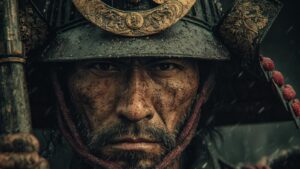
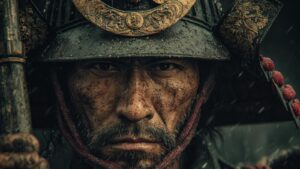
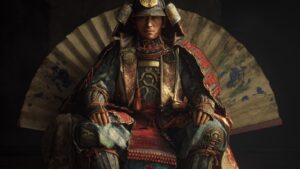
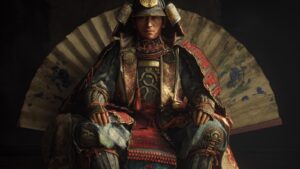
About Obata Masamori
Growing up in a turbulent time characterized by the struggles between various warlords, he was trained in the arts of warfare and governance from an early age.
His family served the powerful Satake clan, where he learned the importance of loyalty and duty.
As Masamori matured, he quickly gained recognition for his skills in battle and strategic thinking.
He participated in various campaigns under the Satake clan, proving his mettle in several skirmishes against rival clans.
His courage and leadership earned him a promotion to a significant position within the clans hierarchy after successfully defending key territories.
Throughout his career, Masamori commanded troops in numerous during the chaotic Sengoku period.
His most notable engagements include the of Kawanakajima, where he showcased his prowess against formidable opponents.
His tactical decisions often turned the tide of battle, earning him respect amongst his peers and warriors alike.
Obata Masamoris is defined by his unwavering loyalty and service to his lord, emphasizing the samurai ideals of honor and duty.
Even after his passing in 1601, he left a lasting impact on the samurai class and is remembered as a capable general who played a crucial role in the feudal dynamics of his time.

comment