
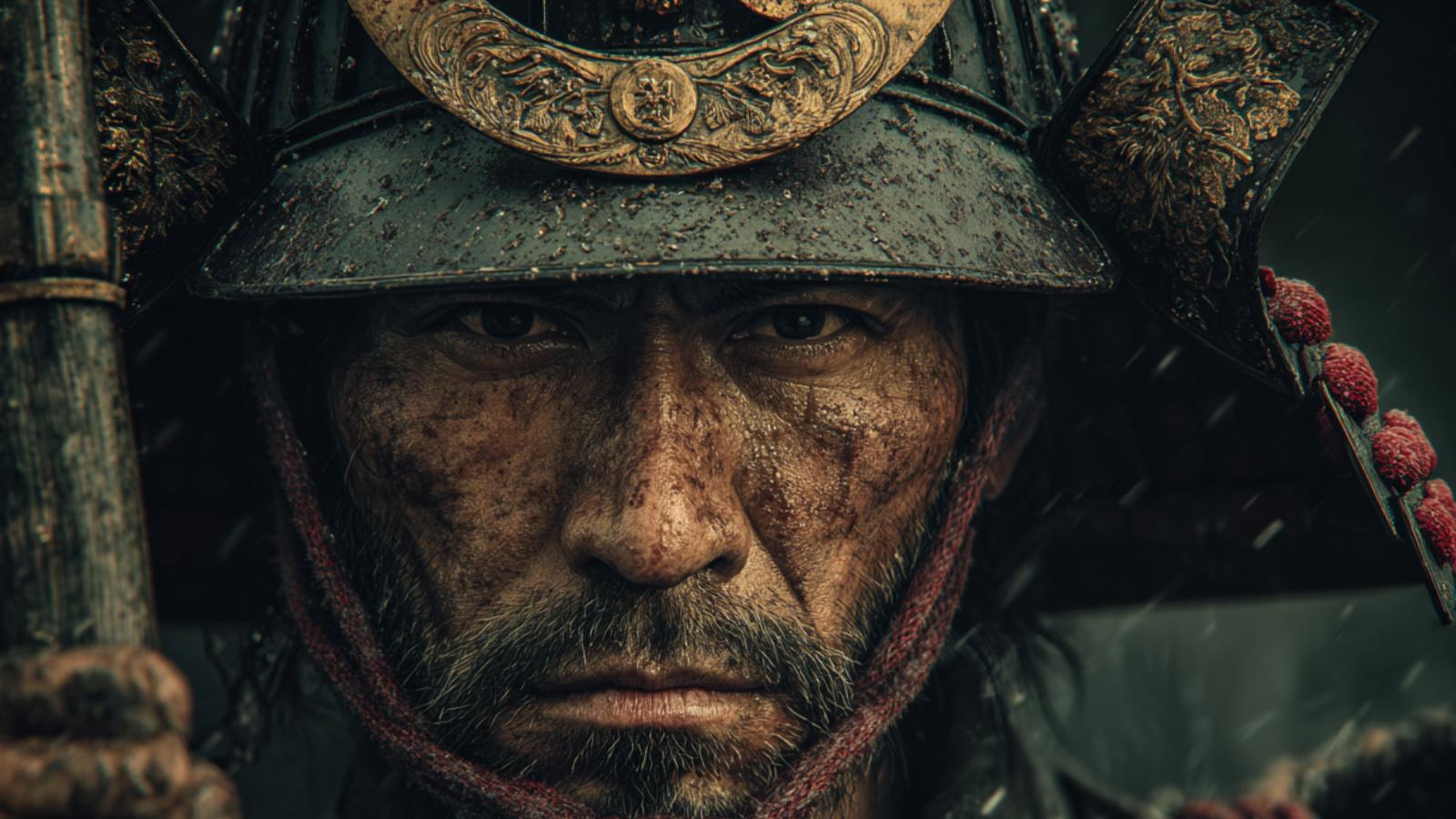
“戦いは知恵と勇気の芸術である。”
— War is the art of wisdom and courage.

| Lead 統率 |
Valor 武勇 |
Intel 知略 |
Pol 政治 |
|---|---|---|---|
| 72 | 70 | 75 | 65 |
| Name (JP) | 海北 友松 |
|---|---|
| Title | Chief Retainer |
| Clan / Force | Unknown |
| Era | 1533 – 1620 |
| Origin | Mutsu |
| Key Battles | |
| Arts | Calligraphy |
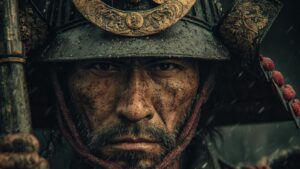
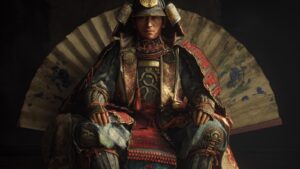
About Kaiho Yusho
Coming from a family of Shugo, he was raised within a martial context, which instilled in him the values of loyalty and discipline from a young age.
Taking a keen interest in the arts as well as military strategy, Yusho distinguished himself early on.
His early education included practices of calligraphy and the study of military texts, which would serve him well throughout his career.
Yushos to prominence started when he became a retainer to a prominent lord in the Mutsu province.
His combination of keen strategic insight and bravery in battle earned him the trust and respect of his lord.
At a time when the regional power dynamics were in constant flux, Yusho played a crucial role in defending his lords interests.
Over the years, he proved himself in several skirmishes against rival clans, showcasing his ability not only to lead men but also to devise plans that leveraged the strengths of his troops while exploiting the weaknesses of the enemy.
Throughout his military career, Yusho fought in various during the Sengoku period.
He participated in several notable conflicts, using his superior strategy to turn the tides in favor of his lord.
His valor on the battlefield was commendable, though he was not among the most legendary warriors of the time.
Yusho’s ability to foster unity among his men and improve their fighting capabilities made him a respected figure.
His can be seen in the lasting bonds he created among his fellow warriors, which strengthened their resolve in the face of danger.
Kaiho Yusho passed away in 1620, leaving behind a defined by strategic intelligence and a commitment to his lord.
He is remembered not just for his military prowess, but also for his contributions to the arts, particularly calligraphy, which reflected the samurais appreciation for culture.
Yusho symbolizes the capable retainers of the Sengoku period, illustrating that while not all are destined for legendary status, their contributions are vital to the fabric of history.
comment