
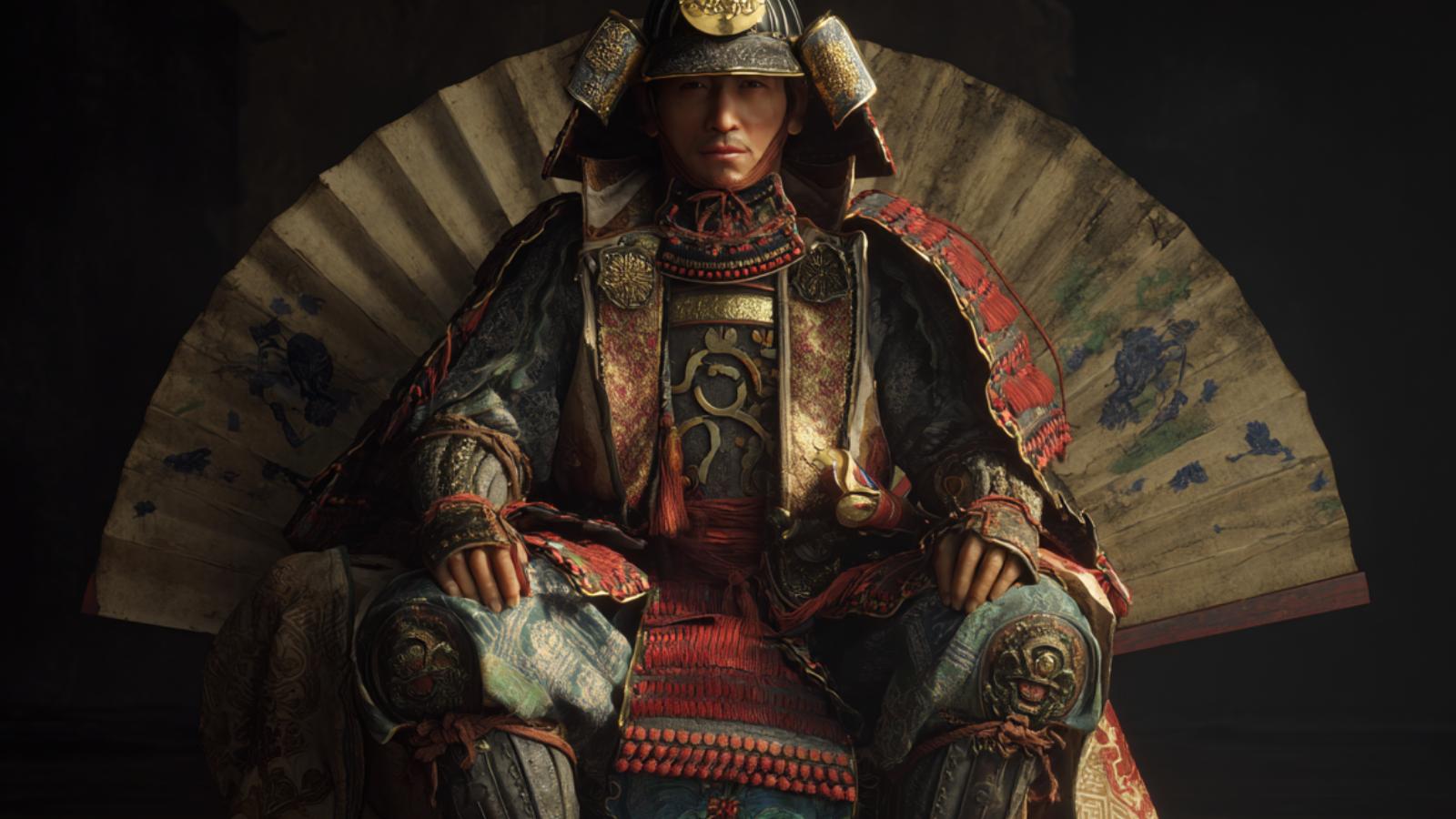
“美しさは心に宿る。”
— Beauty resides in the heart.

| Lead 統率 |
Valor 武勇 |
Intel 知略 |
Pol 政治 |
|---|---|---|---|
| 75 | 60 | 90 | 85 |
| Name (JP) | 小堀 遠州 |
|---|---|
| Title | Daimyo |
| Clan / Force | sitting on a camp stool |
| Era | 1573 – 1645 |
| Origin | Mikawa |
| Key Battles | |
| Arts | Landscape Gardening |
About Kobori Enshu
As the son of a samurai, he was raised in an environment that valued honor, duty, and martial skills.
From a young age, Enshu showed a keen interest in the arts, particularly in the fields of landscape gardening and the tea ceremony, which would later define his ., : Following the unification of Japan under Tokugawa Ieyasu, Enshu’s talents were soon recognized.
He became a prominent figure in the administration, leveraging his skills in both politics and architecture.
His ability to blend strategic thinking with aesthetic sensibility set him apart from other samurai of his time.
Enshu was not just a soldier; he was an artist, creating gardens that embodied the essence of nature while providing a serene space for reflection and tea ceremonies., : While Enshu is primarily remembered for his artistic contributions, he also participated in various military campaigns.
His tactical intelligence enabled him to serve effectively, often advising commanders on strategies that would utilize the terrain to their advantage.
He was known for his ability to remain calm under pressure, skills which made him a respected figure even in the heat of battle., : Kobori Enshu passed away in 1645, leaving behind a rich that fused the martial and the artistic.
His gardens and tea ceremonies influence Japanese culture to this day, reflecting his belief that beauty and strategy are deeply intertwined.
Enshu remains a symbol of the adaptability of the samurai, eming both the warrior spirit and the refined aesthetics of Japanese culture.
His famous quote, Beauty resides in the heart, continues to resonate in contemporary Japanese art and culture.”,,Real,Unknown,Tokugawa Clan,generic_daimyo.jpg,Historical portrait of Kobori Enshu









comment