
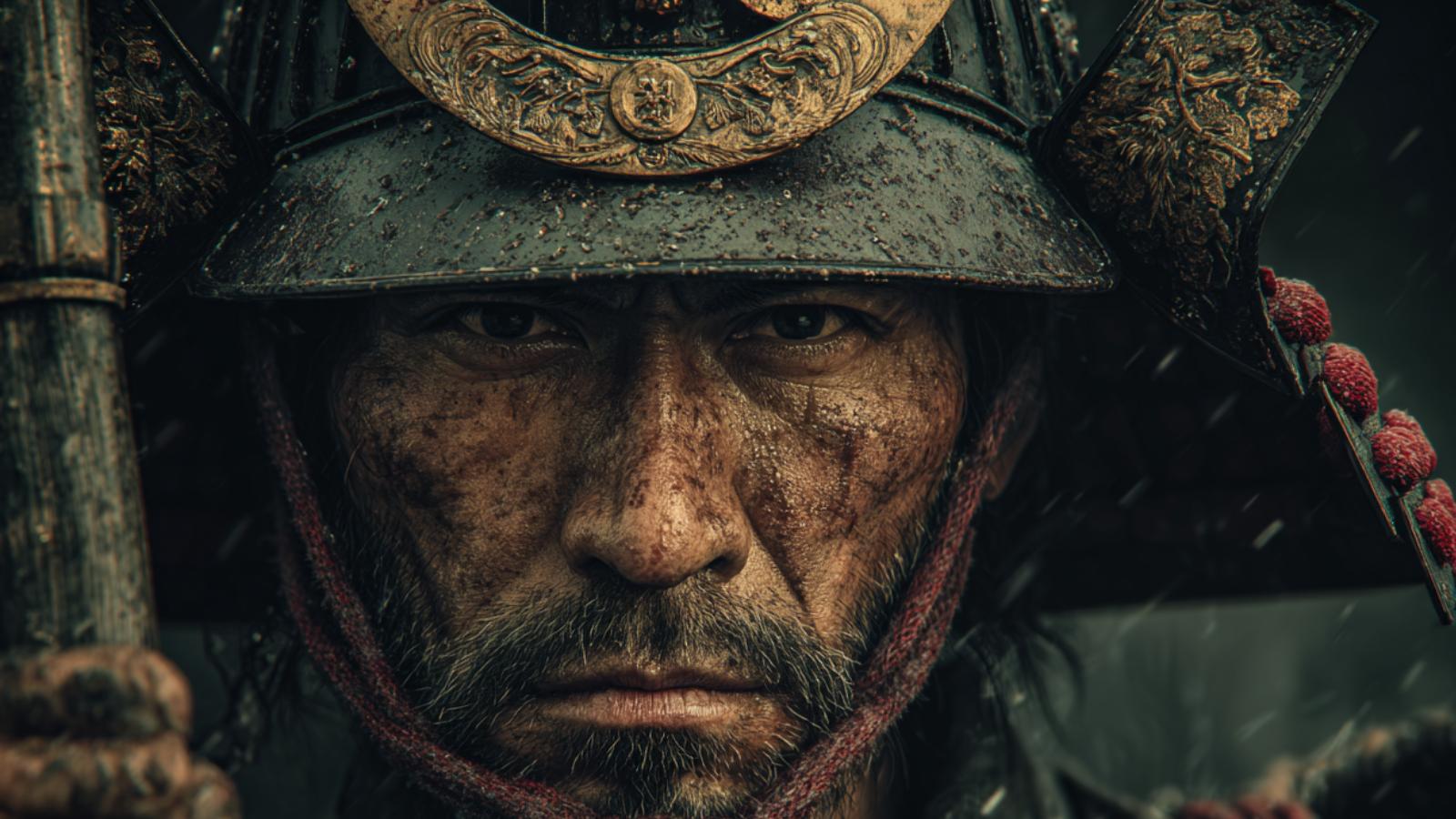
“武士は茶も持つ。”
— A warrior must also possess tea.

| Lead 統率 |
Valor 武勇 |
Intel 知略 |
Pol 政治 |
|---|---|---|---|
| 72 | 65 | 80 | 55 |
| Name (JP) | 茶屋 四郎次郎 |
|---|---|
| Title | Samurai |
| Clan / Force | Tokugawa Shogunate |
| Era | 1560 – 1642 |
| Origin | Mino |
| Key Battles | |
| Arts | Tea Ceremony |
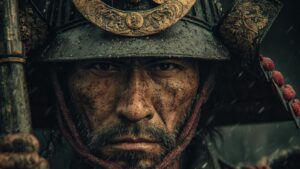
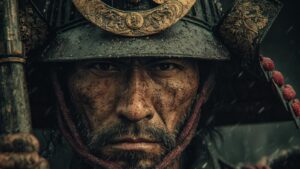
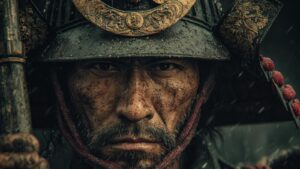
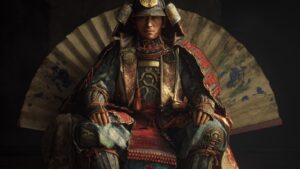
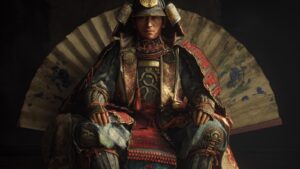
About Chaya Shirojiro
Growing up during the tumultuous days of the Sengoku period, he was heavily influenced by the ongoing conflicts and the importance of bushido, the way of the warrior.
His family, although not of noble birth, instilled in him the virtues of loyalty and hard work.
From a young age, Shirojiro showed a keen interest in both the martial arts and cultural pursuits, particularly the practice of tea ceremony, which was gaining prominence as a method to foster peace and camaraderie among warriors.
As a teenager, Shirojiro began training under a local lord, honing his skills in combat and strategy.
Through his intelligence and remarkable ability to adapt to rapidly changing situations on the battlefield, he quickly gained recognition among his peers.
By his early twenties, he had earned the respect of notable warlords and became a trusted retainer.
His leadership qualities began surfacing as he participated in several minor skirmishes, proving his mettle and strategic acumen, which eventually led to his involvement in larger that contributed significantly to the unification efforts of Japan under the Tokugawa shogunate.
Shirojiro fought valiantly in numerous, including the decisive Battle of Sekigahara in 1600, where he harnessed his tactical understanding to aid his leader.
Though armed conflicts marked his life, it was during moments of tranquility, particularly through the tea ceremony, that he truly felt aligned with his values.
The ceremonial aspects of tea reflected his desire for peace and harmony, a contrast to the bloodshed of the battlefield.
Shirojiros dual identity as both a fierce warrior and a practitioner of cultural arts has made him a unique figure in samurai history, revered for balancing combat prowess with cultural refinement.
After his death in 1642, Chaya Shirojiro left behind a that illustrated the complex tapestry of samurai life during a time of constant warfare and cultural evolution.
His contributions to both military strategy and cultural practices, especially in the realm of the tea ceremony, resonate through the annals of Japanese history.
To this day, his philosophy of blending martial excellence with cultural pursuits inspires contemporary samurai practitioners and others seeking a balanced life.
Shirojiro remains a symbol of the samurai ideal, eming both valor and aesthetics in the service of a unified Japan.
comment