
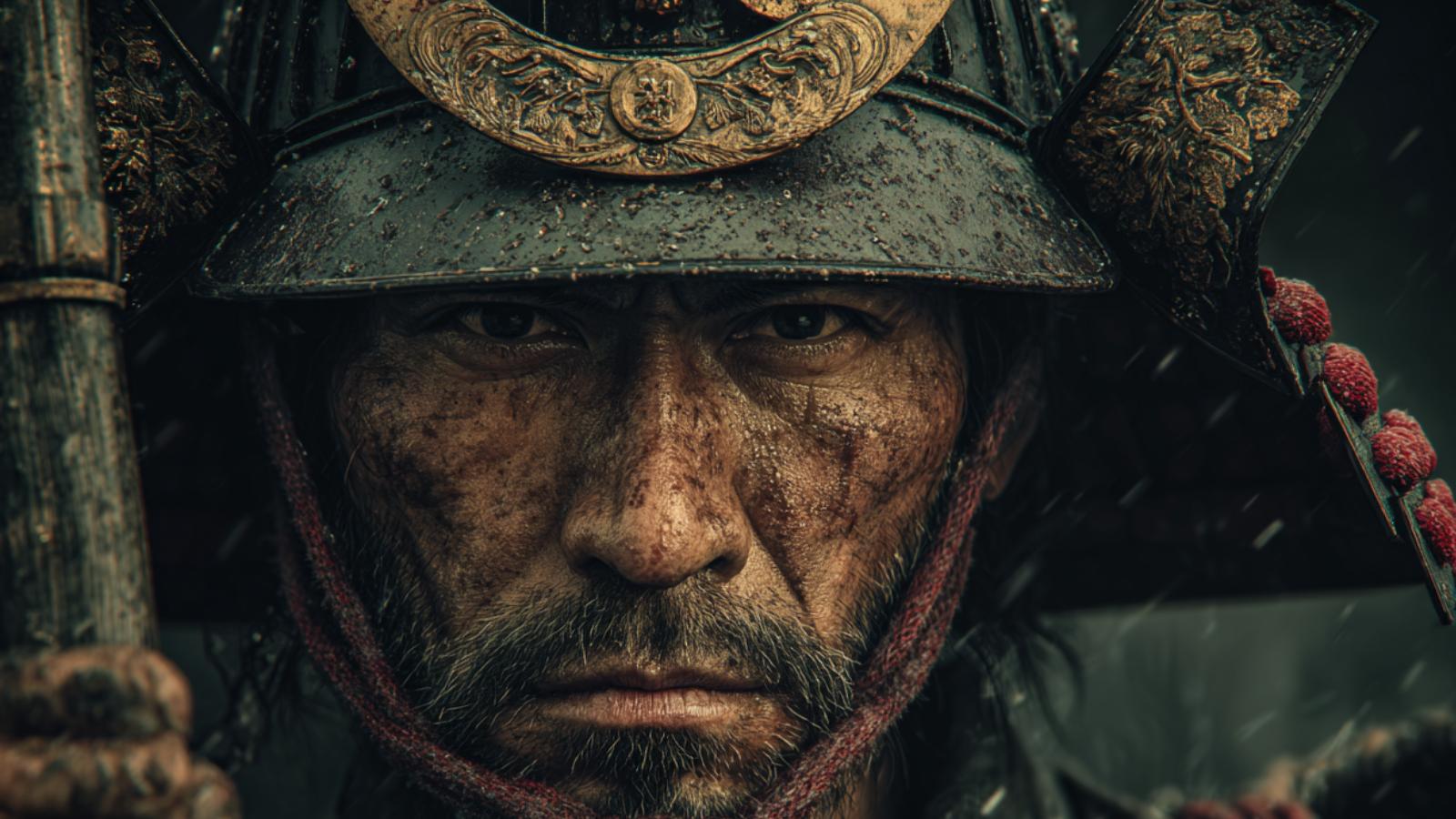
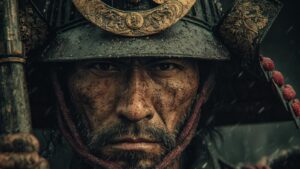
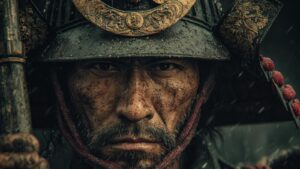
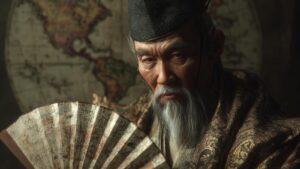
“武士たる者、常に心を整えよ。”
— A warrior must always keep his heart in order.

| Lead 統率 |
Valor 武勇 |
Intel 知略 |
Pol 政治 |
|---|---|---|---|
| 75 | 70 | 78 | 68 |
| Name (JP) | 藤林 長門守 |
|---|---|
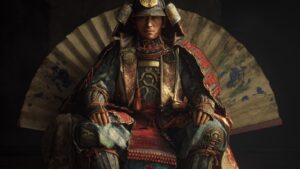
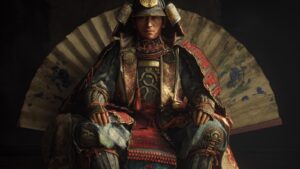
| Title | Chief Retainer |
| Clan / Force | Unknown |
| Era | 1540 – 1616 |
| Origin | Mutsu |
| Key Battles | |
| Arts | Martial Arts |
About Fujibayashi Nagato
His upbringing was characterized by rigorous training in martial arts and strategy, preparing him for a life of service and combat.
As he matured, he developed a reputation not only for his combat skills but also for his loyalty to his lord, which would define his career.
Nagatos in prominence came during the tumultuous years of the late Sengoku period, where he proved his mettle in various .
Serving under a well-respected daimyo, he garnered the trust of his peers and superiors alike.
His ability to unify troops and formulate tactical approaches during conflicts made him a key figure in his lords campaigns against rival clans.
Although not as renowned as some of his contemporaries, his contributions were vital in maintaining the stability of his domain.
Throughout his career, Nagato participated in several significant that showcased his skill as both a warrior and a strategist.
His most notable confrontations involved tactical engagements where he often led his forces from the front.
Despite facing formidable enemies, his resilience and courage earned him the respect of his troops.
However, he often preferred to work behind the scenes, empowering other generals to take credit for their victories to maintain clan unity and morale.
Fujibayashi Nagatos is one of dedication and service; he is remembered by historians and descendants as a chief retainer who exemplified the virtues of the samurai.
His philosophical outlook on governance and combat influenced the next generation of samurai, embedding the principles of loyalty and strategy deeply into the culture.
Today, he is celebrated in his hometown for his contributions to the samurai heritage, with events commemorating his life and achievements.
His quote, reminding warriors of the importance of mental discipline, continues to resonate as a guiding principle for aspiring martial artists and leaders.

comment