
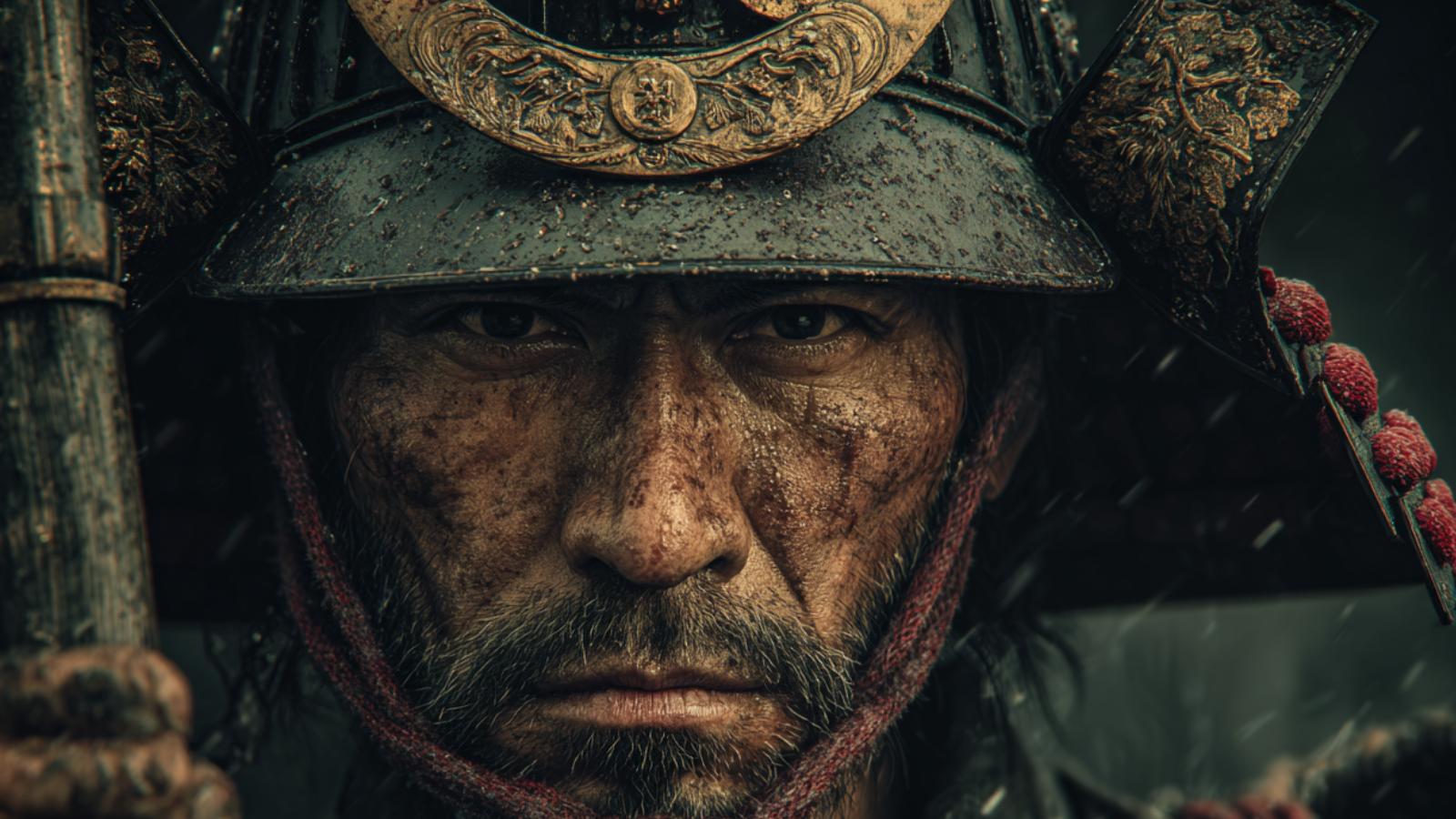
“常に学び、常に戦え。”
— Always learn, always fight.

| Lead 統率 |
Valor 武勇 |
Intel 知略 |
Pol 政治 |
|---|---|---|---|
| 72 | 70 | 75 | 68 |
| Name (JP) | 内藤 清成 |
|---|---|
| Title | Chief Retainer |
| Clan / Force | Tokugawa Shogunate |
| Era | 1563 – 1625 |
| Origin | Mutsu |
| Key Battles | |
| Arts | Calligraphy |
About Naito Kiyonari
Coming from a lineage of samurai, he was instilled with the values of honor and duty from a young age.
His upbringing in a time of warfare molded him into a fierce warrior, eager to prove his mettle on the battlefield.
Kiyonari was known to study not only martial arts but also subjects like calligraphy, which would influence his strategic outlook later in life.
Kiyonari’s began under the service of a local lord, where his skills quickly caught the attention of higher commanders.
His blend of tactical knowledge and combat prowess helped him ascend the ranks swiftly.
By the time he became a chief retainer, he was already well-respected among his peers and had established a reputation for both loyalty and effectiveness on the battlefield.
His ability to maintain morale and cohesion among troops made him a valuable asset in campaigns during the late 16th century.
Throughout his career, Kiyonari participated in several notable characteristic of the Sengoku period.
He displayed competent leadership in skirmishes against rival clans and was particularly adept at ambush tactics.
Although he was not a legendary figure like some of his contemporaries, he consistently demonstrated valor and intelligence, earning victories that contributed significantly to his lords cause.
His experiences on the battlefield taught him the importance of adaptability and strategy over sheer force.
Naito Kiyonaris is one of a capable and dedicated warrior who served diligently in a time of chaos.
While not as well-documented as other generals, his commitment and tactical acumen left a mark on those who served alongside him.
His philosophy of continuous learning and fighting echoes through the stories of samurai who followed in his footsteps, inspiring future generations.
Kiyonari’s influence remains a testament to the values of the samurai way, emphasizing the need for a balanced approach between scholarly pursuits and martial prowess.









comment