
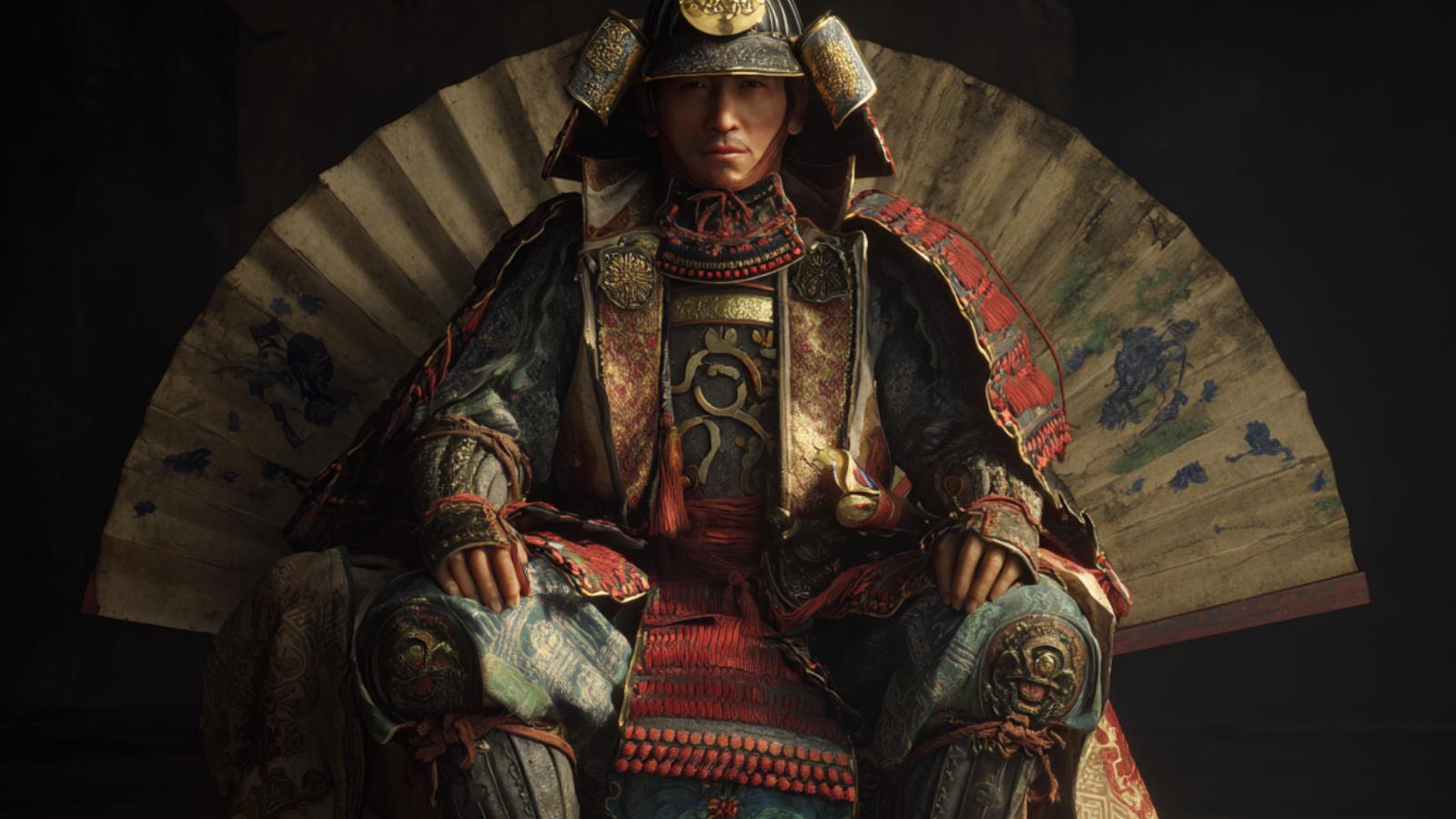
“勝利は心の持ちようにかかっている。”
— Victory depends on one’s mindset.

| Lead 統率 |
Valor 武勇 |
Intel 知略 |
Pol 政治 |
|---|---|---|---|
| 75 | 70 | 80 | 65 |
| Name (JP) | 堀田 正盛 |
|---|---|
| Title | Daimyo |
| Clan / Force | Tokugawa Clan |
| Era | 1544 – 1611 |
| Origin | Sakura |
| Key Battles | |
| Arts | Calligraphy |
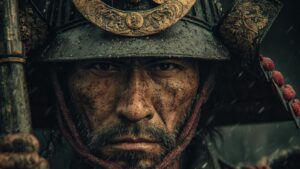
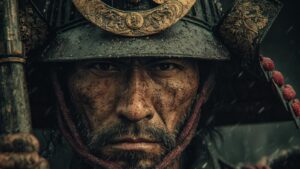
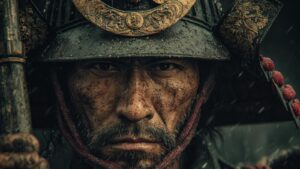
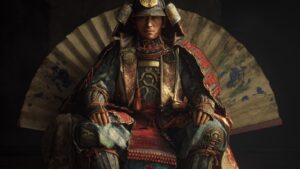
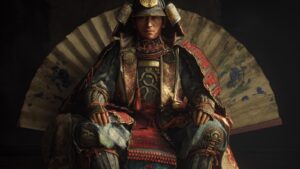
About Hotta Masamori
Raised in an era of constant warfare, he received early training in the arts of war and governance, learning both the sword and the pen.
His family was known for holding significant influence in the region, and Masamori quickly distinguished himself in military affairs.
As a capable leader, Masamori rose through the ranks during the tumultuous years of the Sengoku period.
His strategic insights and ability to rally troops made him a respected figure among other daimyos and samurai.
He often found himself aligned with larger forces while pursuing his ambitions and securing his clans territory.
Throughout his military career, Masamori participated in several key that shaped the fate of the region.
His notable engagements included campaigns against rival clans, where his tactical decisions often turned the tide in favor of his forces.
His capacity to utilize terrain and understand enemy movements demonstrated a sharp intellect that earned him a reputation as a formidable general.
Masamori passed away in 1611, leaving behind a of strong leadership and tactical proficiency.
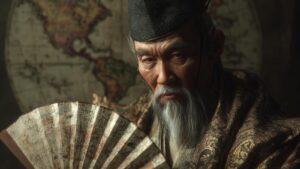
He is remembered not just as a warrior, but as a refined gentleman who valued culture and the arts, often practicing calligraphy during peacetime.
His contributions to the unification of Japan and the prosperity of his region during the Sengoku period remain significant to this day.
comment