
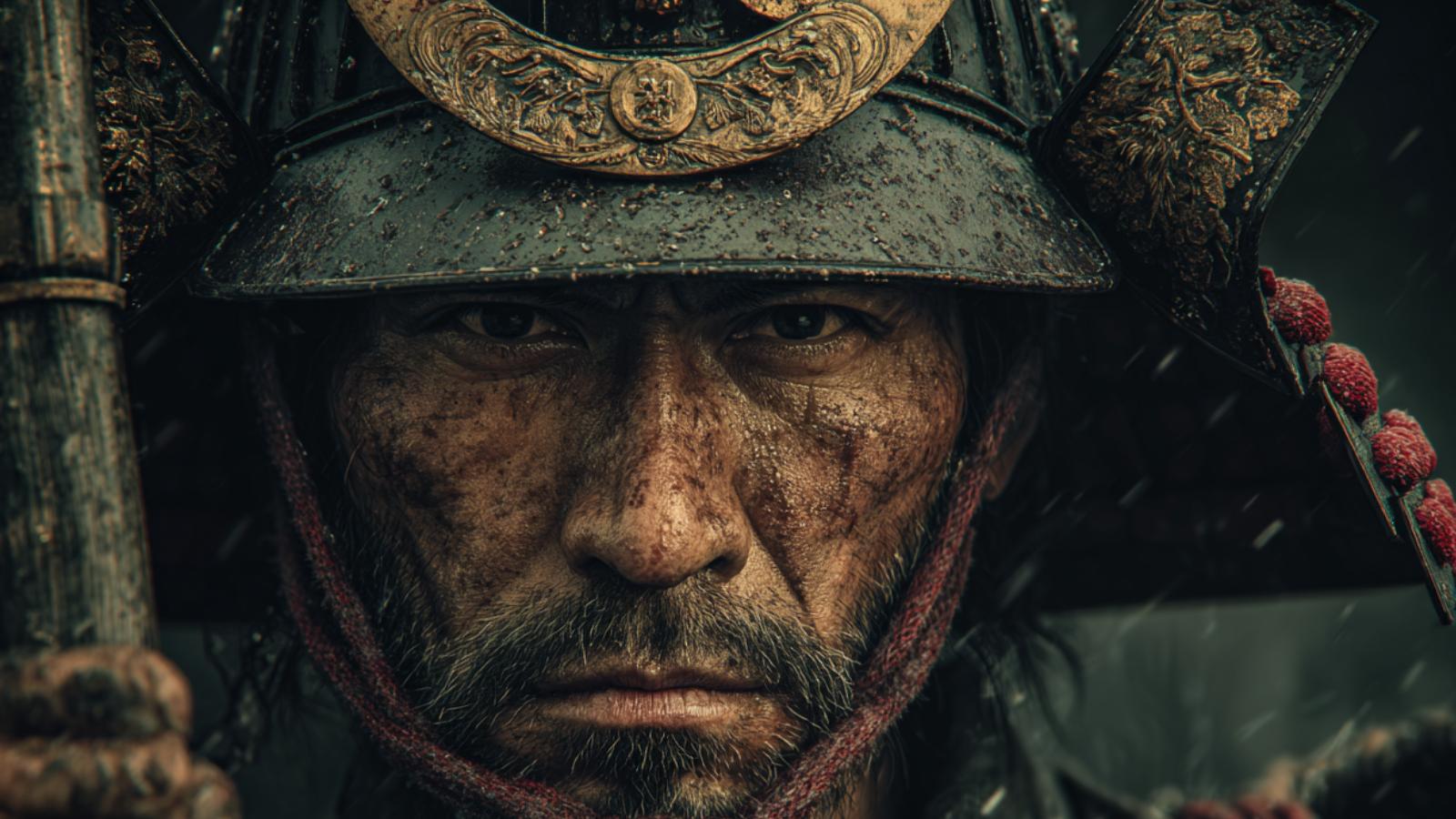
“我々は平和を求める。戦争ではない。”
— We seek peace, not war.

| Lead 統率 |
Valor 武勇 |
Intel 知略 |
Pol 政治 |
|---|---|---|---|
| 80 | 85 | 75 | 60 |
| Name (JP) | 天草 四郎 |
|---|---|
| Title | Leader of the Shimabara Rebellion |
| Clan / Force | Rebellion of Shimabara |
| Era | 1622 – 1638 |
| Origin | Higo |
| Key Battles | |
| Arts | Noh Theatre |
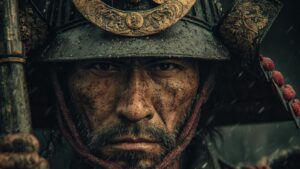
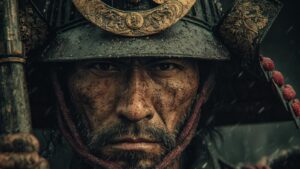
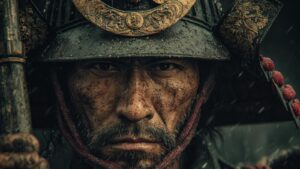
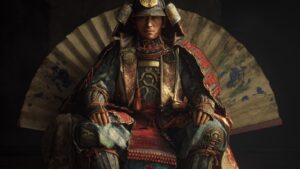
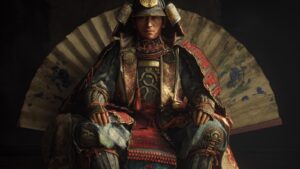
About Amakusa Shiro
At a young age, he became known for his intelligence and charisma, which helped him rally the impoverished and oppressed local population.
His early years were marked by turmoil, as Japan was transitioning into the Tokugawa Shogunate, establishing a strict social hierarchy that stifled the lower classes, particularly Christians in Kyushu who faced persecution.
Shiros upbringing in this atmosphere of strife and injustice would heavily influence his later actions.
By the mid-1630s, Amakusa Shiro had emerged as a leader among the Christian community in Shimabara.
His magnetic personality and eloquence attracted many followers, united by a common cause against the harsh taxation and oppression they faced.
In 1637, the Shimabara Rebellion began as a response to these grievances, and Shiro, possessing unique charisma and a strong sense of purpose, quickly became its figurehead.
He proclaimed himself a divine leader and inspired his followers with the promise of a better future, effectively galvanizing both peasants and Christians under a single banner against their oppressors.
The rebellion reached its peak in 1638 when Shiros forces laid siege to Hara Castle, a critical stronghold of the Tokugawa shogunate.
Although the rebellion was initially successful, it ultimately faced a brutal crackdown.
Shiro fought valiantly, showcasing notable valor and strategy; however, the Tokugawas overwhelming military power proved insurmountable.
Shiro was eventually captured and killed, marking a significant defeat for the insurgents.
Despite this, his bravery and sacrifices made him a legendary figure in Japans history, symbolizing the struggle against tyranny.
Amakusa Shiros as a symbol of resistance to oppression and as a martyr for the cause of Christianity in Japan endures to this day.
Today, he is commemorated in various cultural depictions, including literature, theatre, and film, representing the courage of those who dare to challenge authority in pursuit of justice.
His life and the tragic outcome of the Shimabara Rebellion remind us of the complexities of power, faith, and the human spirit in the face of adversity.
comment