
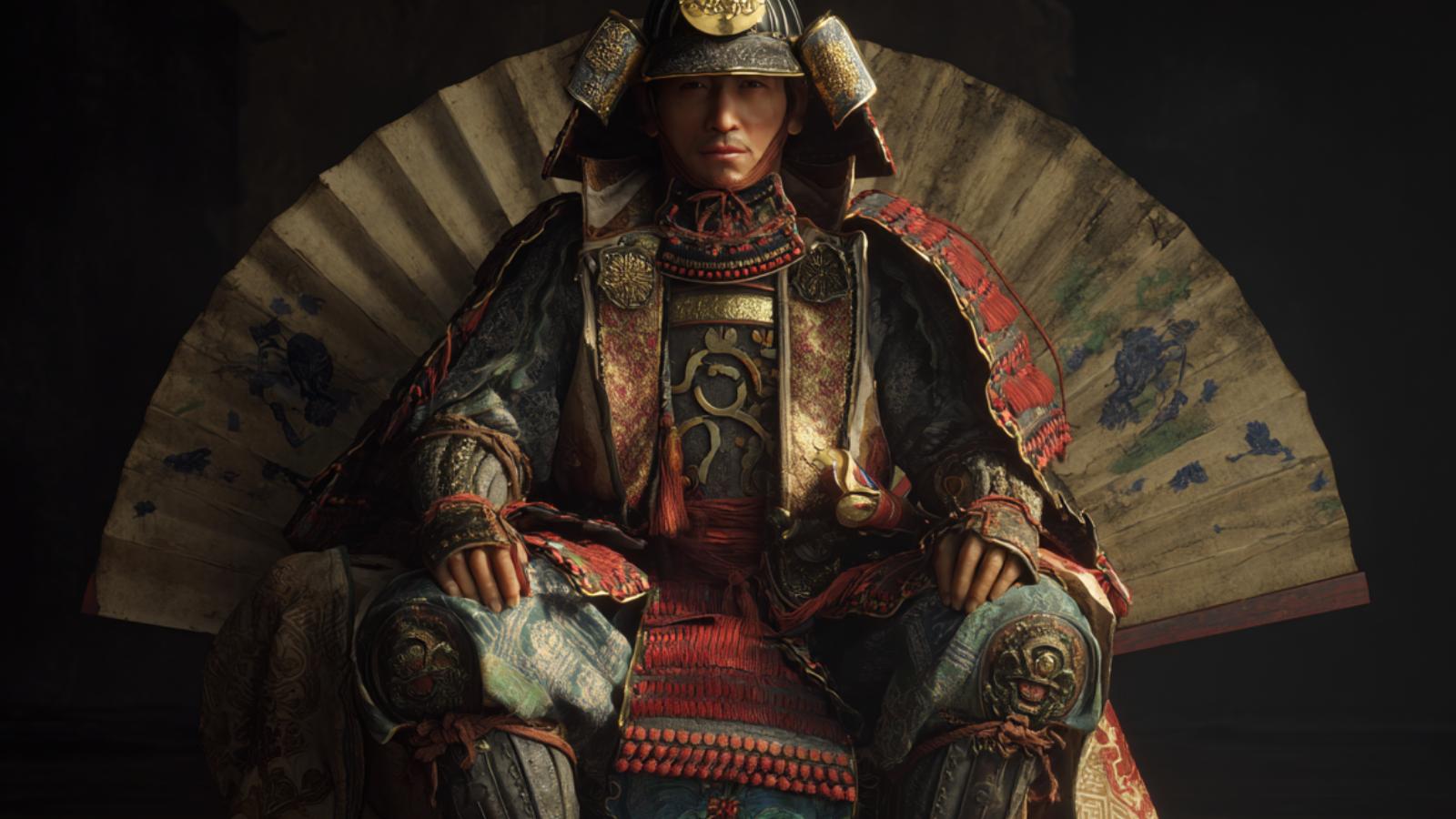
“武士は常に覚悟せよ。”
— A warrior must always be prepared.

| Lead 統率 |
Valor 武勇 |
Intel 知略 |
Pol 政治 |
|---|---|---|---|
| 72 | 60 | 68 | 75 |
| Name (JP) | 水野 勝成 |
|---|---|
| Title | Daimyo |
| Clan / Force | Tokugawa Shogunate |
| Era | 1560 – 1640 |
| Origin | Shizuoka |
| Key Battles | |
| Arts | Noh Theatre |
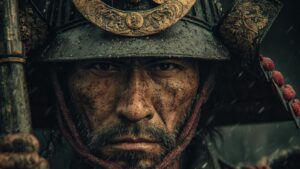
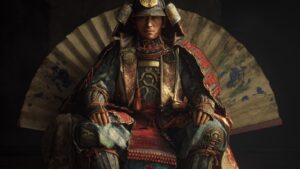
About Mizuno Katsunari
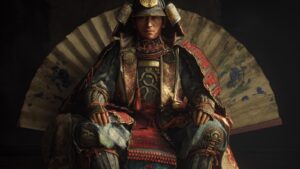
From a young age, Katsunari was immersed in the martial traditions of the samurai, influenced by the conflict surrounding him.
Little is documented about his early family life, but his lineage as a Shugo positioned him among the nobility, allowing him access to training and education in strategy and warfare.
As Katsunari matured, he emerged as a capable leader.
He demonstrated notable leadership skills, particularly during critical military campaigns.
His involvement in local conflicts helped him build alliances that strengthened his position within the region.
His loyalty to influential daimyos, combined with his tactical skills, enabled him to through the ranks and attain the of Daimyo, where he governed his domain with a balanced approach, emphasizing military readiness and civic responsibility.
Throughout his career, Katsunari participated in various decisive .
While not famous for personal valor on the battlefield, his strategic insights contributed significantly to his lords successes.
His ability to marshal resources and direct troops effectively made him a respected figure among his peers.
Notably, during periods of conflict, he incorporated innovative tactics that improved his forces effectiveness, earning him a reputation as a capable general rather than a mere foot soldier.
Mizuno Katsunaris influence extends beyond his military exploits.
His commitment to governance and the arts, particularly Noh theatre, marked him as a renaissance figure of his time.
He was instrumental in fostering cultural activities within his domain, ensuring that art and warfare coexisted.
His is remembered not just in military terms but also as a custodian of culture during the transformative years of the Sengoku period, leaving a lasting imprint on the history of his region.
comment