
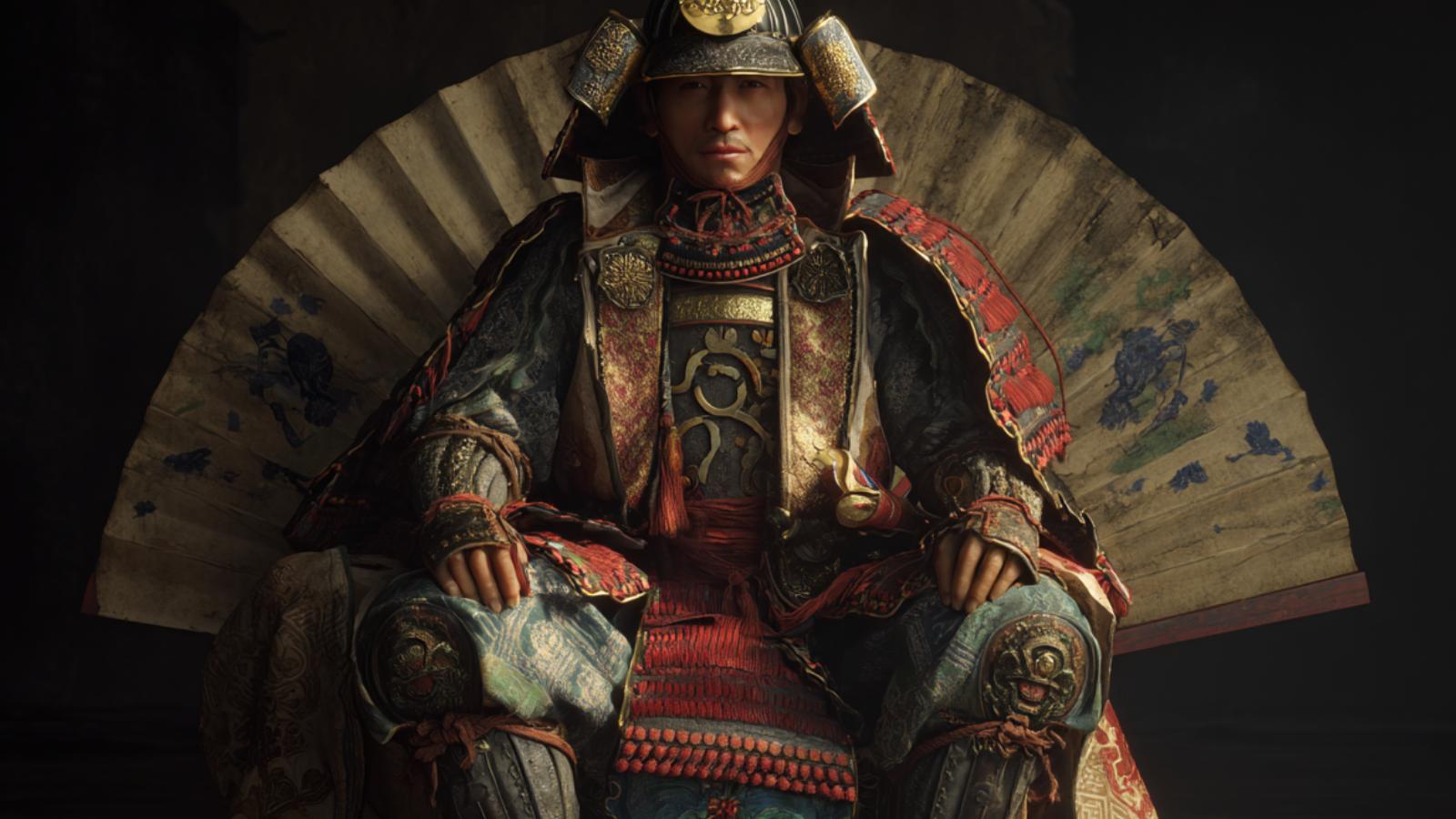
“武士の道は義と誠なり。”
— The path of the samurai is loyalty and sincerity.

| Lead 統率 |
Valor 武勇 |
Intel 知略 |
Pol 政治 |
|---|---|---|---|
| 75 | 70 | 80 | 65 |
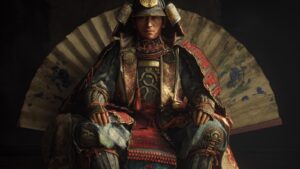
| Name (JP) | 京極 高知 |
|---|---|
| Title | Daimyo |
| Clan / Force | Kyogoku Clan |
| Era | 1600 – 1659 |
| Origin | Kōzuke |
| Key Battles | |
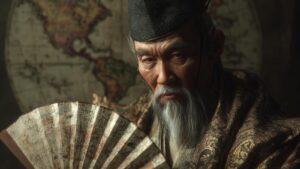
| Arts | Calligraphy |
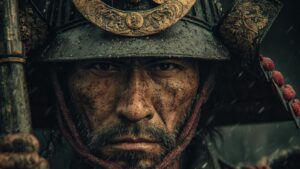
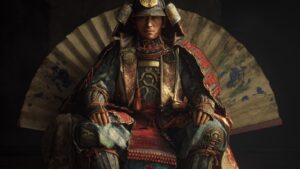
About Kyogoku Takatomo
Growing up in a tumultuous time marked by the unification of Japan under the Tokugawa shogunate, Takatomo received a rigorous education in both martial skills and the arts, setting the foundation for his future as a leader., paragraph2:His was steeped in the samurai tradition, where he learned the values of honor and duty.
From a young age, Takatomo showed a keen interest in both the military strategies of famous samurai and the cultural practices of his day, particularly calligraphy, which became a lifelong passion., paragraph1:As he matured, Takatomo began to gain recognition for his competence in governance and warfare.
After proving his mettle in various clan, he ascended through the ranks, eventually becoming the daimyō of the Kōzuke province.
His leadership was characterized by a balance between military strength and cultural pursuits, earning him respect among his peers and followers., paragraph2:During this period, Takatomo cultivated relationships with other daimyōs, enhancing his political influence.
He was known for his diplomatic skills and often mediated disputes, showcasing his ability to navigate the complex landscape of feudal Japan effectively.
His diplomatic efforts helped to stabilize the region and secure trade routes, contributing to economic prosperity in Kōzuke., paragraph1:Throughout his career, Kyogoku Takatomo participated in several key that defined the era.
His strategic intellect was evident in how he orchestrated responses to various rival factions, often employing innovative techniques that would later be studied by future commanders.
While not always seeking conflict, he was proficient in defense and quick to counter any aggression directed towards his territory., paragraph2:Though never achieving the legendary status of contemporaries such as Tokugawa Ieyasu, Takatomo carved out a notable through his military campaigns and governance strategies.
His were characterized by tactical maneuvers and a keen understanding of terrain, contributing significantly to his clans standing during turbulent times., paragraph1:Kyogoku Takatomos influence extended beyond the battlefield; he also made substantial contributions to the arts and culture.
His passion for calligraphy not only saw him create beautiful works but also promote education in the arts within his domain.
This dual focus on martial prowess and cultural enrichment reflected his understanding of a well-rounded rulers role during the Edo period., paragraph2:Upon his death in 1659, Takatomo left behind a of stability and cultural enrichment in Kōzuke, remembered as a capable leader who bridged the worlds of military and art.
His descendants continued to uphold his values, shaping the narrative of the Kyogoku clan for generations to come.
comment