
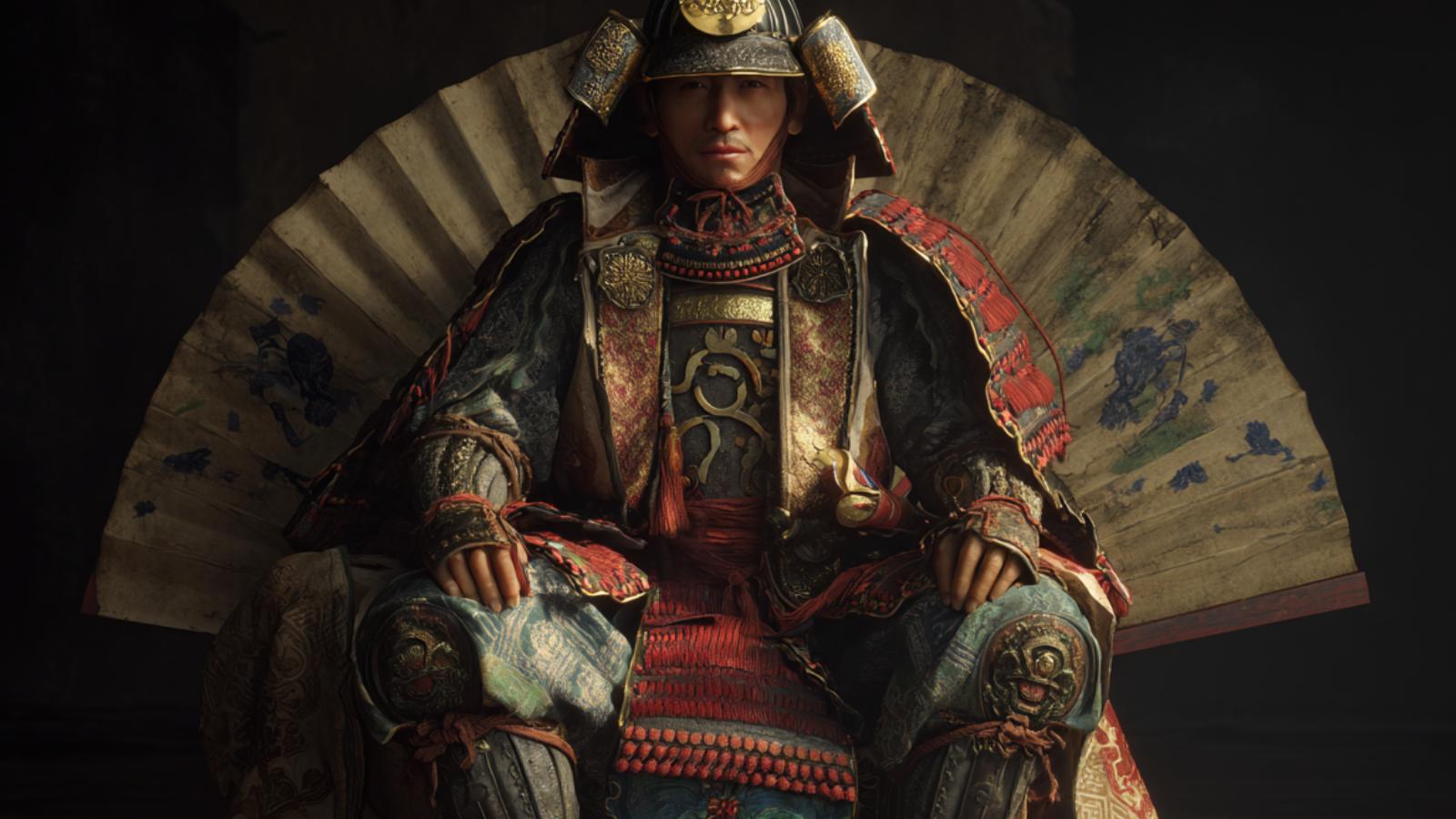
“武士の誇りは、名誉のために戦うことだ。”
— The pride of a samurai is to fight for honor.

| Lead 統率 |
Valor 武勇 |
Intel 知略 |
Pol 政治 |
|---|---|---|---|
| 75 | 70 | 68 | 65 |
| Name (JP) | 池田 元助 |
|---|---|
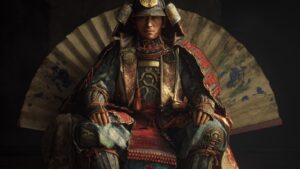
| Title | Daimyo |
| Clan / Force | Mizuno Clan |
| Era | 1544 – 1606 |
| Origin | Bungo |
| Key Battles | |
| Arts | Noh Theatre |
About Ikeda Motosuke
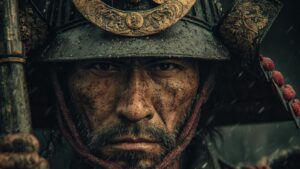
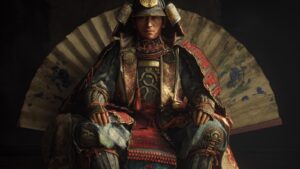
Growing up during the tumultuous Sengoku period, he was influenced by the ongoing conflicts and the need for strong leadership.
His early training prepared him for the path of the samurai, focusing not only on combat but also on the cultural aspects of the warrior class.
Motosukes to prominence came through his service under the powerful daimyo, Toyotomi Hideyoshi.
His remarkable ability to command troops and engage in strategic earned him recognition and respect.
During his service, he demonstrated a keen understanding of the political landscape, often navigating alliances and rivalries to secure his standing.
This period helped him cultivate his skills in both warfare and governance.
Ikeda Motosuke participated in several key during the unification of Japan.
His valor on the battlefield was evident in the Siege of Odawara and other conflicts where he showcased his tactical prowess.
Despite facing formidable opponents, he consistently upheld the samurai code of honor and loyalty, making significant contributions to Hideyoshis ambitions.
Motosukes is that of a capable leader who played a crucial role in the shaping of early modern Japan.
After the ascension of Tokugawa Ieyasu, Motosuke retained his as daimyo and continued to manage his province with diligence.
He is remembered not only for his military contributions but also for his cultural engagement, supporting the arts, particularly Noh theatre, reflecting the multifaceted nature of samurai existence.
His quote, The pride of a samurai is to fight for honor, encapsulates the spirit in which he approached life and duty.
comment