
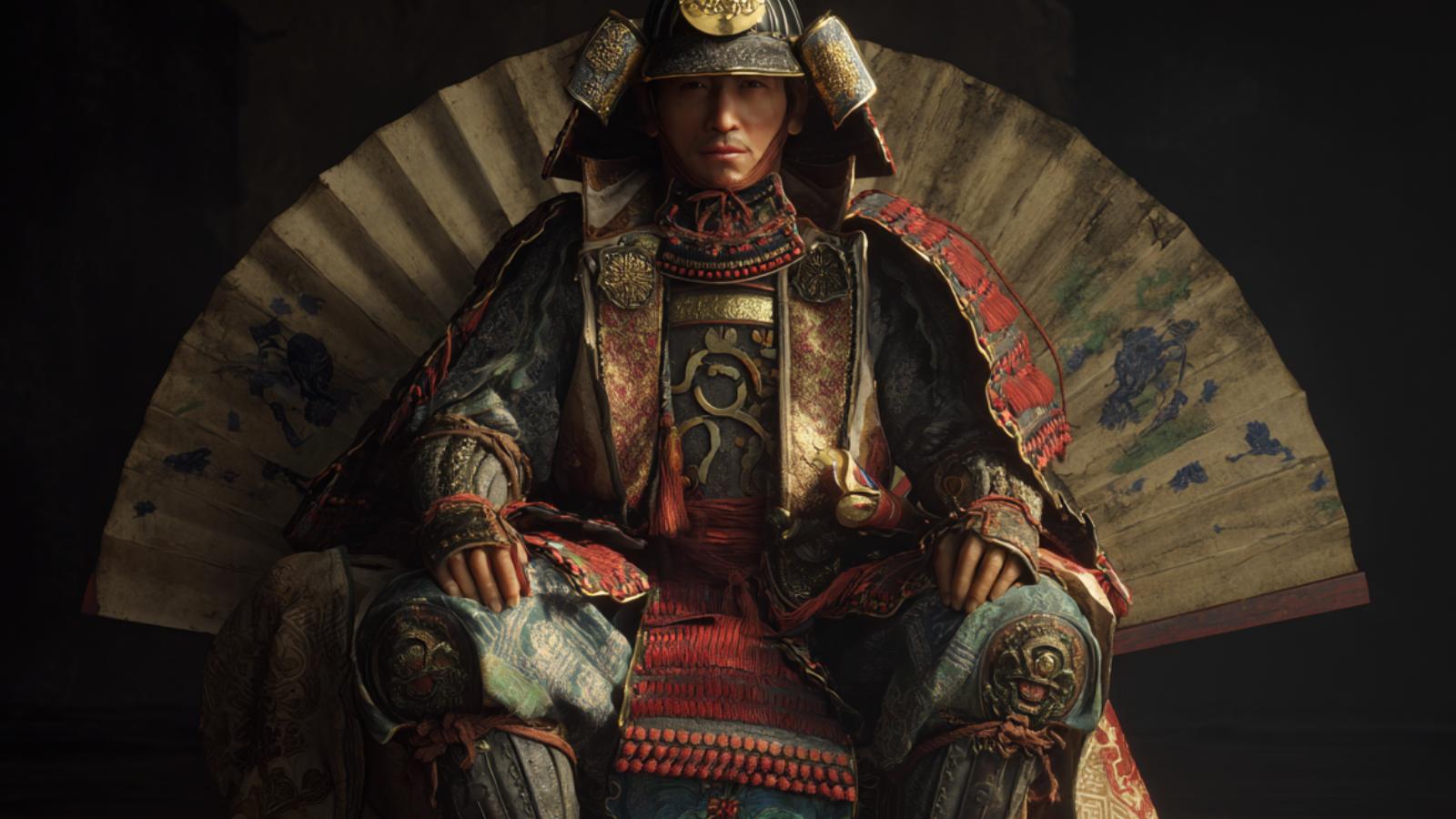
“智略は戦の剣、勝利はその刃に宿る。”
— Strategy is the sword of war, and victory resides upon its blade.

| Lead 統率 |
Valor 武勇 |
Intel 知略 |
Pol 政治 |
|---|---|---|---|
| 75 | 68 | 70 | 65 |
| Name (JP) | 佐久間 盛政 |
|---|---|
| Title | Daimyo |
| Clan / Force | Tokugawa Clan |
| Era | 1535 – 1584 |
| Origin | Mino |
| Key Battles | |
| Arts | Calligraphy |
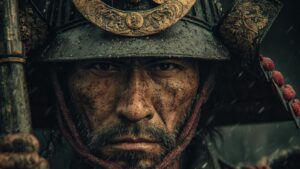
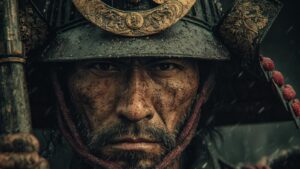
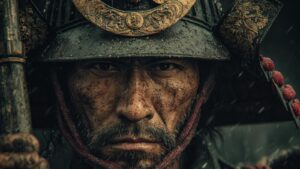
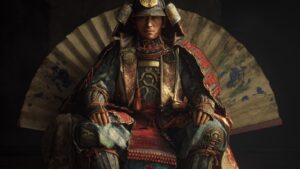
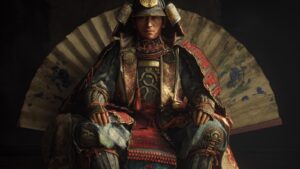
About Sakuma Morimasa
Raised in a turbulent era, he was exposed to the art of warfare and politics from a young age.
His family served under the powerful clan of Saito, which influenced his development as a warrior and leader.
Morimasa showed promise early on, mastering various martial arts and demonstrating a sharp intellect that would serve him well in his later endeavors.
With the decline of the Saito clan, Morimasa aligned himself with the burgeoning power of Oda Nobunaga in the late 1550s.
His loyalty and military talent earned him a position as a trusted retainer and he played a vital role in several key that established Nobunaga’s dominance in the region.
Morimasa quickly rose to prominence, gaining the of daimyo as he commanded troops during crucial engagements, showcasing his ability to lead effectively under pressure.
Morimasa fought valiantly in multiple, including the pivotal Battle of Okehazama in 1560, where he demonstrated his tactical skills.
He was often noted for his ability to adapt to changing battlefield conditions and for leading his troops with courage and resolve.
Though not the most celebrated of generals, his contributions were recognized by Nobunaga, and he often found himself at the forefront of campaigns against rival clans.
However, Morimasa’s career was not without challenges; he faced complex rivalries that sometimes undermined his position and alliances in a fragmented Japan.
Despite his eventual marginalization after Nobunaga’s death and a complex transition of power, Sakuma Morimasa is remembered as a skilled commander and a loyal samurai.
His life reflects the loyalty and turmoil of the Sengoku period, and though he may not have reached the legendary status of some of his contemporaries, his story exemplifies the life of the samurai during a time of great change in Japan.
comment