
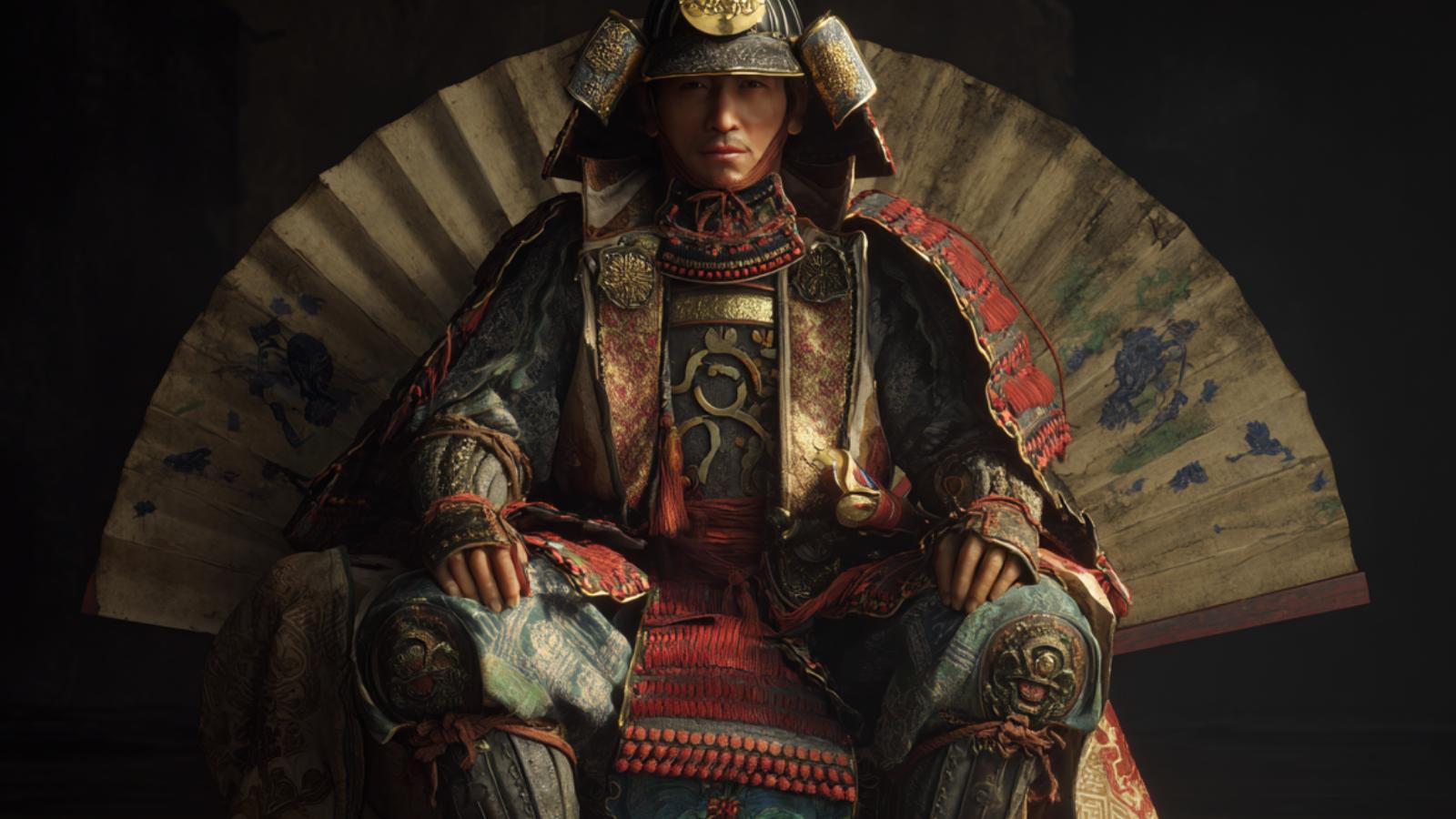
“勝者が全てを決める。優れた武士は勝利を収める。”
— The victor decides everything. A superior warrior achieves victory.

| Lead 統率 |
Valor 武勇 |
Intel 知略 |
Pol 政治 |
|---|---|---|---|
| 72 | 75 | 70 | 68 |
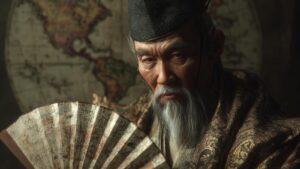
| Name (JP) | 蜂須賀 家政 |
|---|---|
| Title | Daimyo |
| Clan / Force | Tokugawa Shogunate |
| Era | 1536 – 1593 |
| Origin | Awaji |
| Key Battles | |
| Arts | Ikebana |
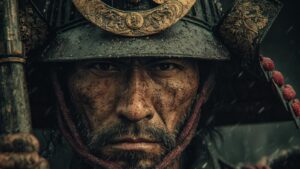
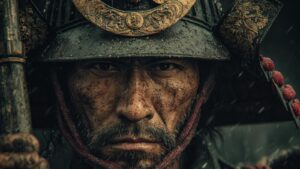
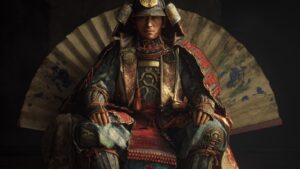
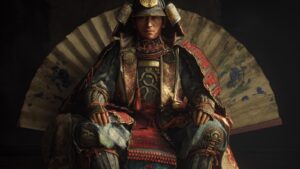
About Hachisuka Iemasa
His family had been influential in the region, serving as shugo (military governors) since the late Heian period.
Iemasas early exposure to the conflicts of the time shaped his ambitions and laid the groundwork for his future as a respected leader.
His upbringing involved rigorous training in martial arts and strategy, which would become essential skills as he navigated through the complex allegiances of the Sengoku period.
As the Sengoku era progressed, Iemasa emerged as a skilled warrior and strategist.
He served under the powerful warlord Tokugawa Ieyasu, where he gained valuable experience in both combat and governance.
His loyalty and capabilities were soon recognized, leading to his appointment as a daimyo in his own right.
Iemasa effectively managed his territory while forging important alliances that bolstered his position.
His reputation as a capable leader grew, and he was often called upon to play a mediating role in conflicts among other daimyos.
Iemasas adept handling of his domain allowed him to maximize resources and strengthen his forces, positioning him as a formidable player in the ongoing power struggles in Japan.
Throughout his military career, Iemasa participated in numerous that defined the landscape of feudal Japan.
Notable among these were his contributions to the Battle of Sekigahara in 1600, where he aligned with the forces of Tokugawa Ieyasu against the western coalition.
His tactical acumen and bravery on the battlefield earned him respect from allies and adversaries alike.
He was known for his strategic foresight and ability to inspire his troops, which became crucial in ensuring his factions success in key engagements during this tumultuous period.
Hachisuka Iemasas extends beyond his military endeavors; he is remembered as a key figure in the establishment of Tokugawas rule in Japan.
His governance style emphasized stability and the arts, influencing the cultural life in his province.
Today, Iemasa is celebrated as a capable, if not legendary, figure of the Sengoku period, eming the samurai virtues of loyalty, honor, and strategic prowess.

comment