
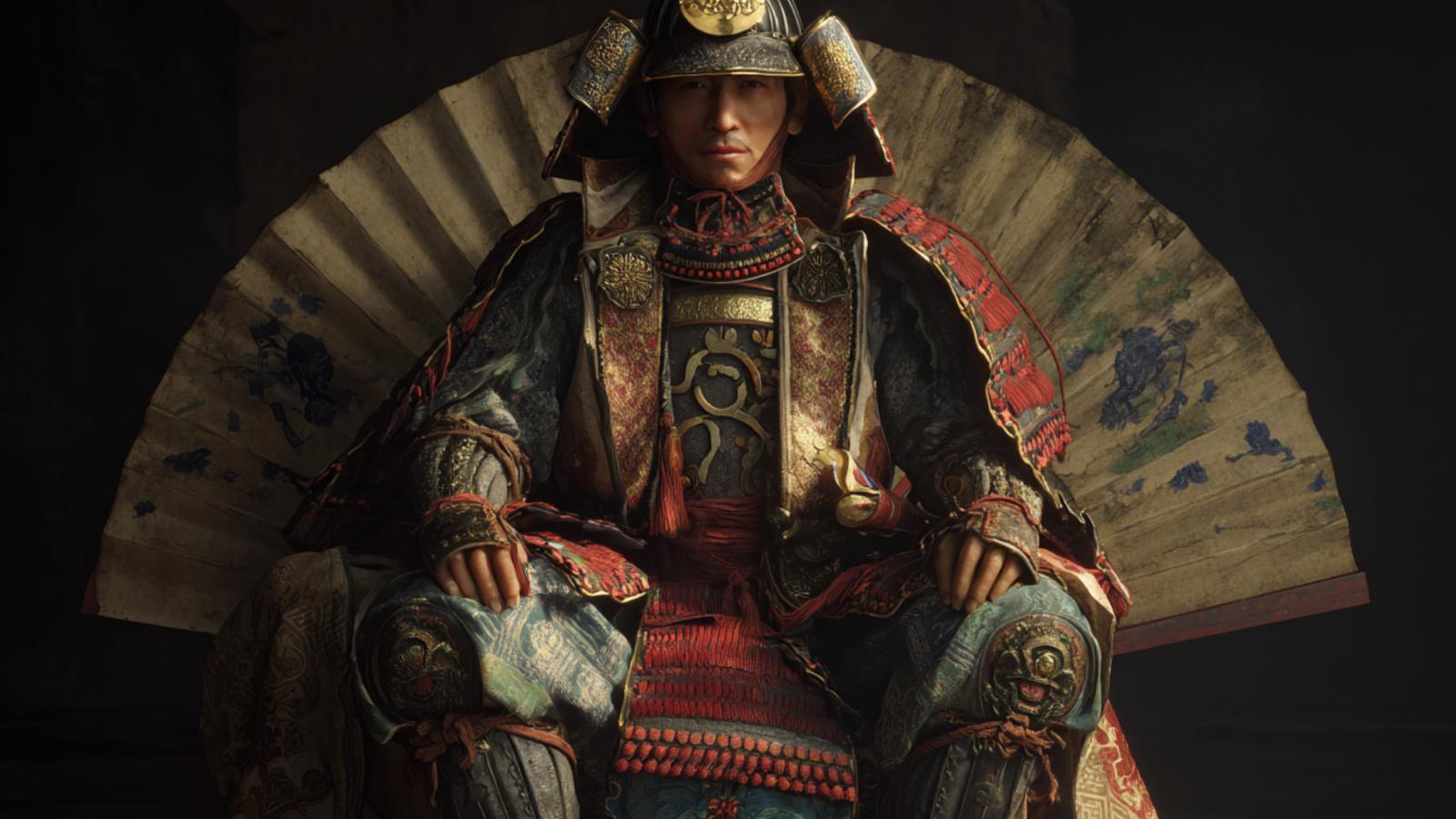
“名は体を表す。”
— A name represents one’s essence.

| Lead 統率 |
Valor 武勇 |
Intel 知略 |
Pol 政治 |
|---|---|---|---|
| 70 | 60 | 75 | 65 |
| Name (JP) | 金森 長近 |
|---|---|
| Title | Daimyo |
| Clan / Force | Fujiwara Clan |
| Era | 1540 – 1600 |
| Origin | Mutsu |
| Key Battles | |
| Arts | Noh Theatre |
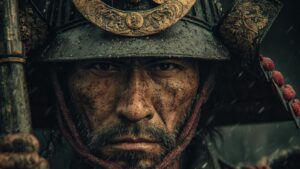
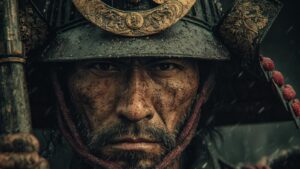
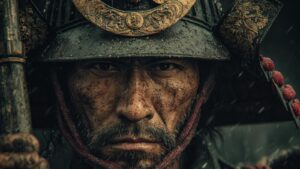
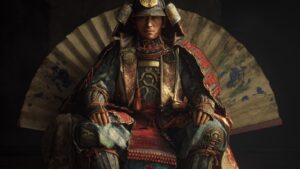
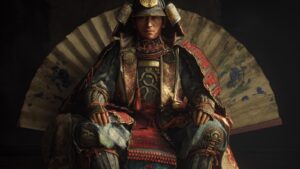
About Kanamori Nagachika
His was heavily influenced by the tumultuous political landscape of the Sengoku period, characterized by constant warfare among various clans striving for control.
Growing up in a samurai household, Nagachika was trained in the arts of war and governance from a young age, establishing a foundation that would serve him throughout his career.
As he matured, Nagachika became associated with the Takeda clan, a powerful force in the region led by the formidable Takeda Shingen.
His loyalty and competence were recognized as he navigated the complexities of clan politics and warfare.
During his service, Kanamori demonstrated strategic prowess in various skirmishes, gradually earning the respect of his peers and superiors.
His ability to lead troops in battle was commendable, although he was not as renowned as some of his contemporaries such as Takeda Shingen or Uesugi Kenshin.
His status rose further when he was promoted to the rank of daimyō, overseeing a significant territory and local governance.
Throughout his career, Nagachika participated in several key during the late Sengoku period.
Although he was not always on the frontlines of the most well-known conflicts, his contributions in skirmishes and his administrative skills were crucial to the Takeda clans operations.
His valor in battle, while respectable, was more marked by leadership and strategic decisions rather than personal heroics, which characterized some of the legendary figures of the age.
As the political landscape shifted with the of Tokugawa Ieyasu, Kanamoris position was put to the test as alliances and loyalties were recalibrated, ultimately leading to a complex end to his career as a daimyō in 1600.
Despite not attaining the legendary status of his contemporaries, Kanamori Nagachikas life and service reflect the dedication and complexity of samurai culture during one of Japans most transformative eras.
His contributions to the consolidation of power in the region and his efforts within the Takeda clan paved the way for future generations of samurai leaders.
Today, he is remembered as an essential figure in the tapestry of Sengoku period history, symbolizing the virtues of loyalty, strategy, and governance in a time of chaos.
comment