
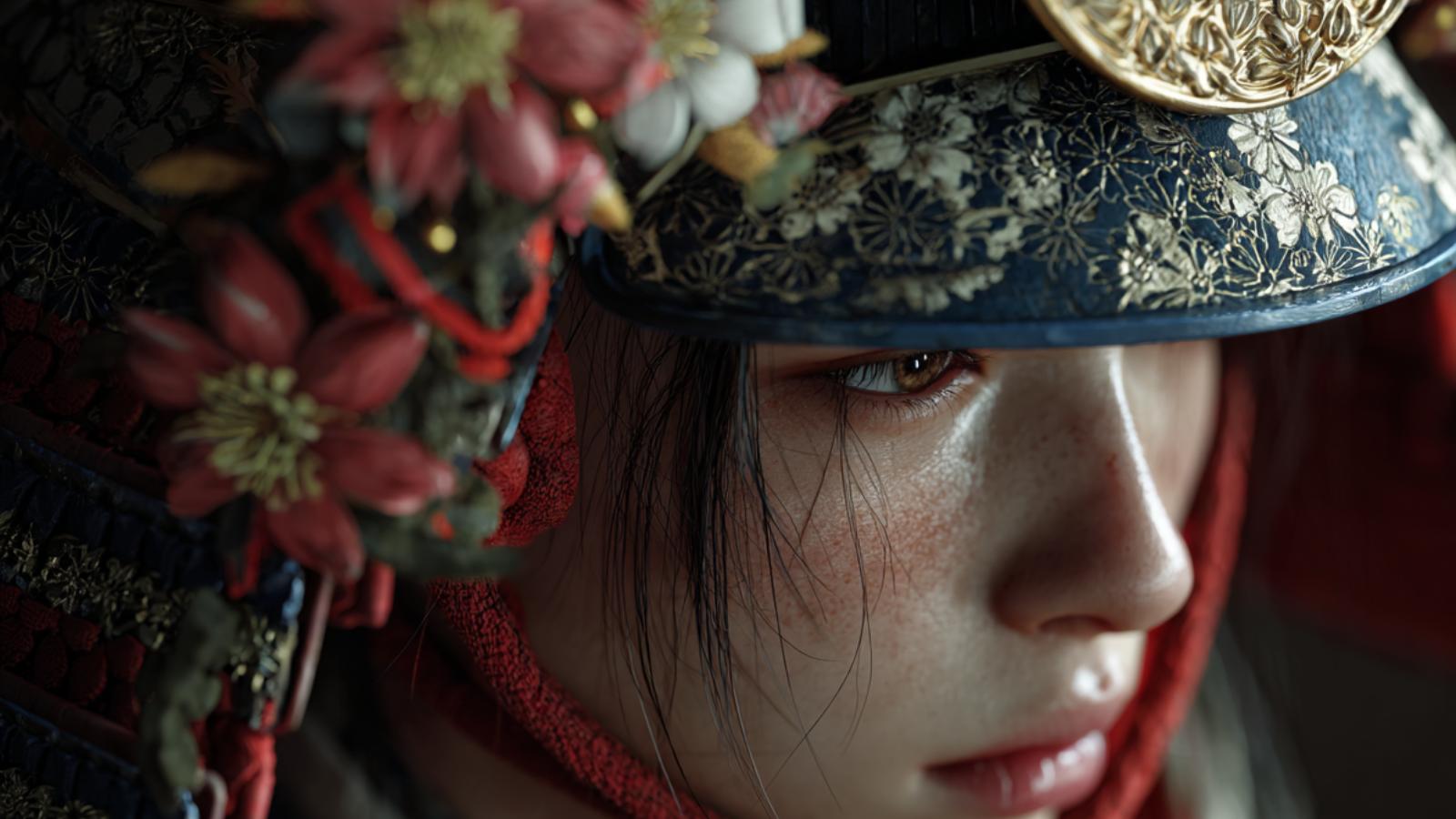
“心を清め、武士道を生きる。”
— Purify the heart and live by the way of the samurai.

| Lead 統率 |
Valor 武勇 |
Intel 知略 |
Pol 政治 |
|---|---|---|---|
| 75 | 70 | 80 | 85 |
| Name (JP) | 清心尼 |
|---|---|
| Title | Warlord |
| Clan / Force | Unknown |
| Era | 1539 – 1623 |
| Origin | Mutsu |
| Key Battles | |
| Arts | Poetry |
About Seishin-ni
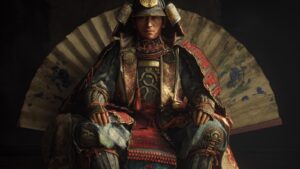
Unlike other women of her time, she trained in martial arts and weapons, defying the conventional roles expected of women in feudal Japan.
During the Sengoku period, as conflicts erupted throughout Japan, Seishin-ni emerged as a skilled warrior and strategist under the tutelage of her father, a respected samurai.
She gained notoriety for her incredible prowess in battle and her ability to rally troops, earning her the of Warlord.
Her reputation extended beyond her martial skills; her political acumen allowed her to navigate the complex alliances and enmities of the era, securing her place among the notable samurai of her time.
Seishin-ni participated in several significant, showcasing her valor on the battlefield and leadership in directing troop maneuvers.
Her strategic insights often turned the tide in favor of her allies during conflicts with rival clans.
One of her most famous engagements involved a decisive counter-attack that not only saved her territory but also cemented her as a formidable leader among men, a rarity for women in her time.
Seishin-nis influence continued even after her death in 1623, as she became a figure of inspiration for later generations of female samurai and warriors.
Her commitment to the samurai ethos and her contributions to Japan’s military history highlight her as an exceptional individual in the patriarchal society of feudal Japan.
Today, she is remembered not only as a warrior but also as a symbol of womens empowerment in the historical narrative of Japan.




comment