
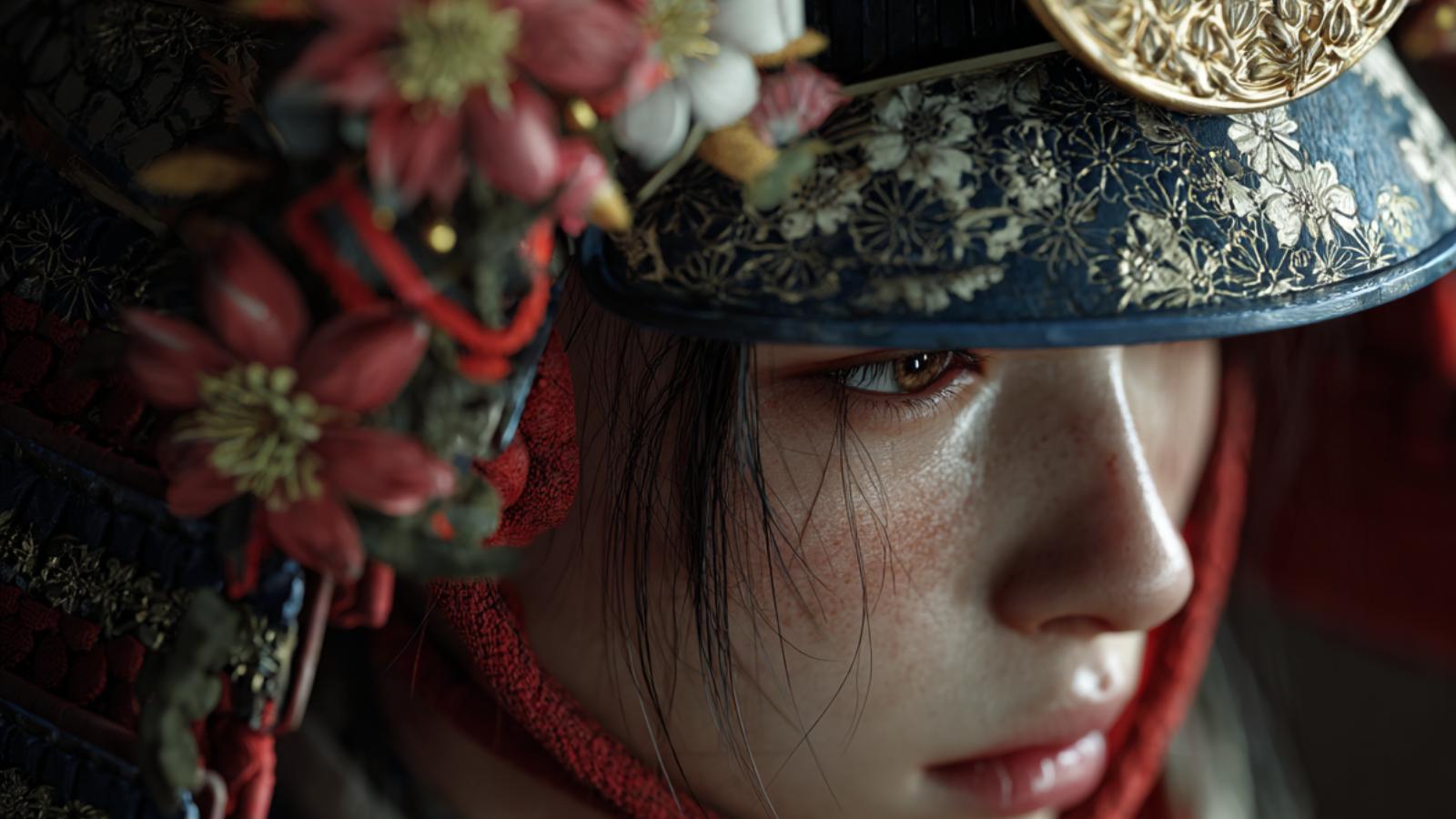
“勝利は勇者のものだ。”
— Victory belongs to the brave.

| Lead 統率 |
Valor 武勇 |
Intel 知略 |
Pol 政治 |
|---|---|---|---|
| 70 | 65 | 75 | 72 |
| Name (JP) | 義姫 |
|---|---|
| Title | Daimyo |
| Clan / Force | Unknown |
| Era | 1553 – 1625 |
| Origin | Mikawa |
| Key Battles | |
| Arts | Ikebana |
About Yoshihime
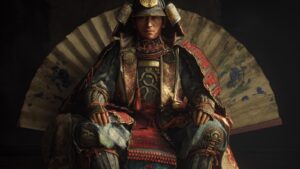
She belonged to the noble Shugo lineage, which instilled in her a strong sense of duty and honor.
From a young age, Yoshihime was trained in the arts of leadership and combat, as was customary for individuals of her station.
Her family was allied with several powerful clans, giving her a front-row seat to the power struggles that characterized the era.
As the turmoil intensified, Yoshihime quickly rose to prominence due to her capability as a skilled warrior and tactical mind.
By her early twenties, she was not only leading troop formations but also negotiating alliances with other clans.
Her reputation as a formidable leader was cemented as she led her forces to various skirmishes, demonstrating both bravery and strategic acumen.
Many samurai sought her favor, drawn by her military skills and determination to uphold her familys .
Yoshihime participated in several key skirmishes during the late 16th century, notably in against the Takeda and Uesugi clans.
Her tactical decisions were often pivotal, showcasing her ability to read the battlefield and adapt quickly to changing circumstances.
In one notable engagement, she led a surp attack that turned the tide, securing victory against a numerically superior foe.
This not only solidified her status as a capable general but also inspired those around her, fostering loyalty among her troops and allies.
Yoshihimes endures as a symbol of female strength and capability in a predominantly patriarchal society.
She broke barriers and demonstrated that women could not only participate in the world of samurai but excel within it.
After her death in 1625, her story was recorded by chroniclers, serving as an inspiration for future generations.
Today, she is celebrated not just for her martial prowess but also for her contributions to Japanese culture, particularly in arts like Ikebana, where her teachings continue to influence practitioners.




comment