
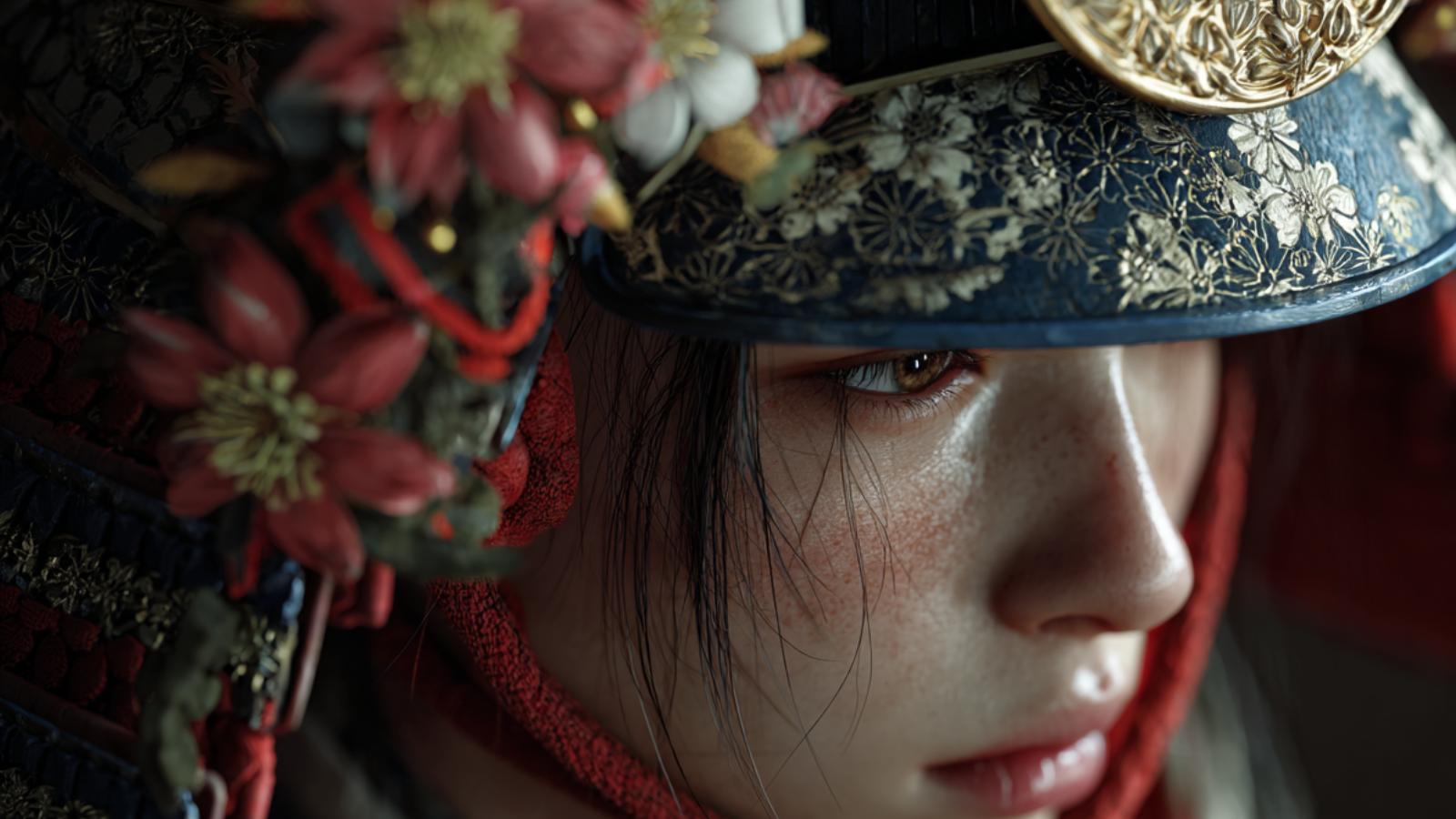
“武士としての心得を忘れず、平和をもたらす。”
— Never forget the samurai’s spirit; bring peace.

| Lead 統率 |
Valor 武勇 |
Intel 知略 |
Pol 政治 |
|---|---|---|---|
| 75 | 68 | 82 | 78 |
| Name (JP) | 寿桂尼 |
|---|---|
| Title | Daimyo |
| Clan / Force | Rokkaku Clan |
| Era | 1540 – 1626 |
| Origin | Satsuma |
| Key Battles | |
| Arts | Calligraphy |
About Jukeini
Raised in a family with a lineage of Shugo, Jukeini was immersed in the traditions and values of the samurai from a young age.
This upbringing fostered a deep understanding of both martial arts and the importance of governance, shaping his future as a leader.
As he grew older, Jukeini began to carve out a reputation for himself as a capable strategist.
By his early thirties, he had taken on several key leadership roles within the local daimyos ranks.
His ability to analyze battlefield dynamics and maneuver his forces effectively made him a respected figure among his peers.
Through strategic alliances and shrewd diplomacy, Jukeini managed to unite various factions within Satsuma, leading to a period of relative peace and stability in the region.
Although primarily known for his diplomatic skills, Jukeini did not shy away from battle when necessary.
He participated in numerous skirmishes against rival clans, displaying commendable valor that earned him the respect of his troops.
His leadership on the battlefield often tilted the odds in favor of his forces, demonstrating a balance between offensive tactics and strategic restraint.
One of his notable confrontations was during the conflict with the Shimazu clan, where his tactical acumen played a crucial role in defending his territory.
Jukeinis is marked by his contributions to both the military and cultural aspects of samurai life.
A patron of the arts, he encouraged the practice of calligraphy and other cultural pursuits among his retainers, believing that a well-rounded individual could lead more effectively.
Despite not being considered one of the greatest warlords of his time, his intelligence and political maneuvering solidified his place in samurai history as a key figure who fostered peace and culture during a tumultuous era.
His teachings and strategies continue to be studied by military historians and samurai enthusiasts today.








