
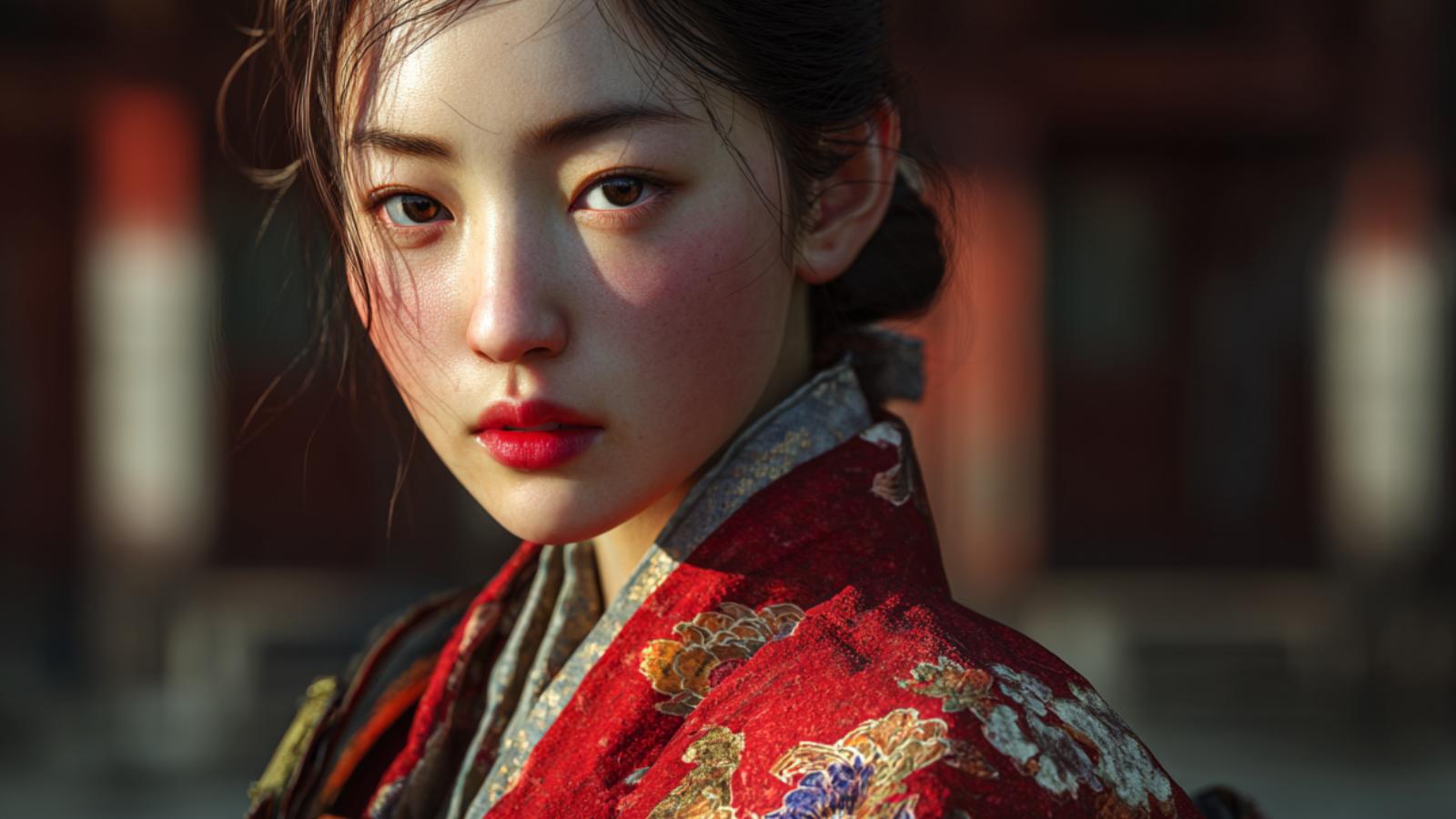
“武士の誇りは、義を重んじる心にある。”
— The pride of a warrior lies in a heart that values righteousness.

| Lead 統率 |
Valor 武勇 |
Intel 知略 |
Pol 政治 |
|---|---|---|---|
| 75 | 70 | 80 | 85 |
| Name (JP) | 井伊 直虎 |
|---|---|
| Title | Daimyo |
| Clan / Force | Ii Clan |
| Era | 1536 – 1582 |
| Origin | Tōtōmi |
| Key Battles | |
| Arts | Noh Theatre |
About Ii Naotora
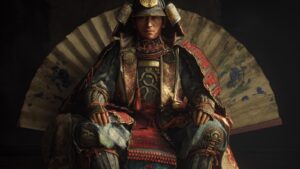
As a member of the Ii clan, she was raised in a samurai household, where she was expected to understand both the ways of war and the importance of governance.
Unlike many women of her time, Naotora was educated in the arts of strategy and military command, skills that would ultimately define her life.
Following the death of her father, Naotora became the head of the Ii clan at a young age.
This unusual circumstance for a woman of her time did not deter her ambitions.
With a firm grip on her fathers domain, she proved herself to be a capable leader by rallying her retainers and managing the clans affairs during the turbulent Sengoku period.
Her leadership was further marked by her diplomatic endeavors, forging key alliances that strengthened her clans standing against rival samurai.
Naotora’s military engagements were notable for their strategic prowess.
She was involved in several key, demonstrating her ability to command troops effectively.
Despite the complexity and chaos of the Sengoku period, Naotora was able to emerge victorious in several skirmishes, solidifying her reputation as a competent general.
Her valor in combat, although not as famously documented as male counterparts, left a significant mark on her followers.
Ii Naotoras is one of empowerment and strategic brilliance.
She defied the expectations of her gender and the norms of her society to lead, strategize, and govern.
While her life was cut short in 1582, her contributions to her clan and the political landscape of her time remain recognized.
Today, she serves as an inspiration for women in leadership roles across Japan, representing the dedication and strength of female samurai in a predominantly male-dominated history.




comment