
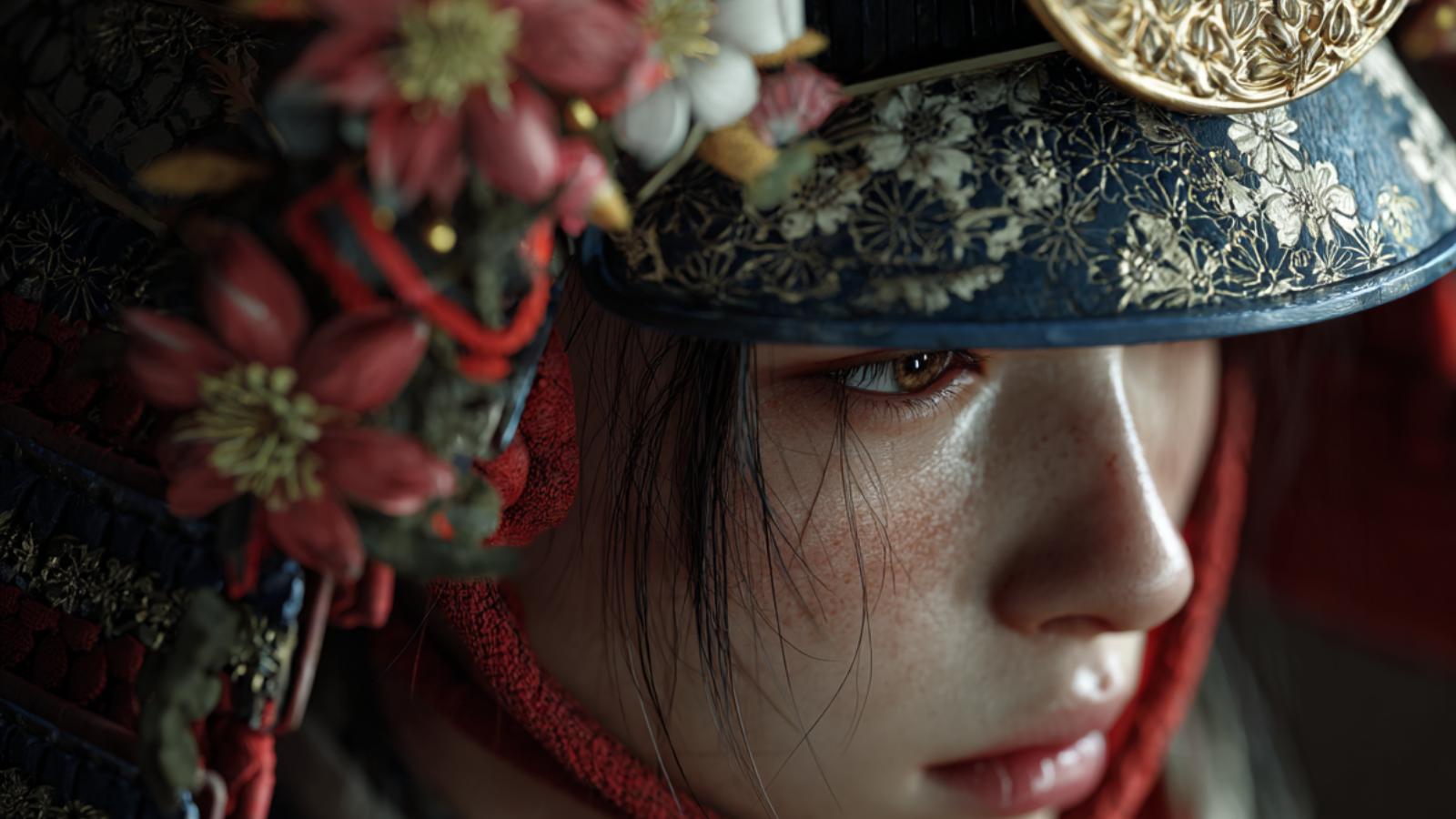
“忠義の心をもって、武士の道を全うする。”
— With loyalty in my heart, I fulfill the way of the samurai.

| Lead 統率 |
Valor 武勇 |
Intel 知略 |
Pol 政治 |
|---|---|---|---|
| 60 | 75 | 70 | 65 |
| Name (JP) | まつ (芳春院) |
|---|---|
| Title | Retainer |
| Clan / Force | Unknown |
| Era | 1570 – 1616 |
| Origin | Mino |
| Key Battles | |
| Arts | Noh Theatre |
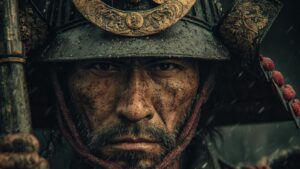
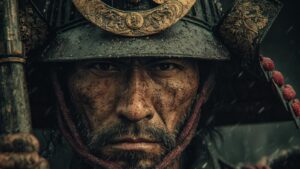
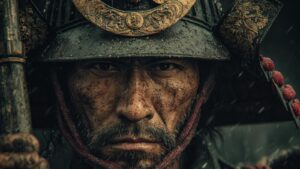
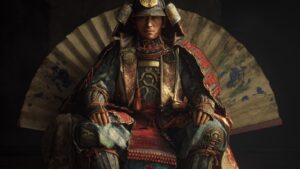
About Matsu (Hoshun-in)
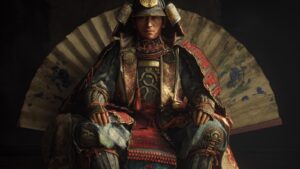
Growing up during a time of fierce political upheaval, she was instilled with the values of loyalty and courage from a young age by her parents, who were respected members of the samurai class.
Her upbringing laid the groundwork for her future as a warrior and leader in her own right.
As she came of age, Matsu proved herself in various skirmishes, gaining recognition for her strategic acumen and combat skills.
During the late 1580s, she became a retainer for a minor daimyo, where she played a pivotal role in defending her lords territory from rival clans.
Despite the male-dominated society, Matsus capabilities began to attract attention and respect within the samurai community, allowing her to through the ranks of her clan.
Matsus most significant contributions came during the Battle of Sekigahara in 1600.
While not a general leading troops into battle, she expertly coordinated the movements and logistics of the troops under her command, ensuring that they could execute successful flanking maneuvers against their adversaries.
Matsu displayed remarkable valor, personally engaging in combat when necessary and rallying her comrades with fervor amidst the chaos of battle.
Her tactical interventions were noted by many as contribution factors to her clan’s performance, showcasing not only her martial prowess but also her growing reputation as a capable commander.
After the tumult of the Sekigahara battle and the subsequent unification of Japan under Tokugawa Ieyasu, Matsu transitioned from a combat role to one focusing on the cultural aspects of leadership.
She became an influential figure in promoting Noh theatre and the arts among samurai and commoners alike, believing that culture played an essential role in maintaining peace and cohesion in society.
Matsu Hoshun-ins as a samurai transcended mere militaristic achievements; she was a bridge between the warrior class and cultural education, eming the duality of the samurai spirit.
Her commitment to loyalty, strategy, and the arts left an indelible mark on the fabric of her society, illustrating that the role of a samurai could encompass multifaceted contributions beyond warfare.
comment