
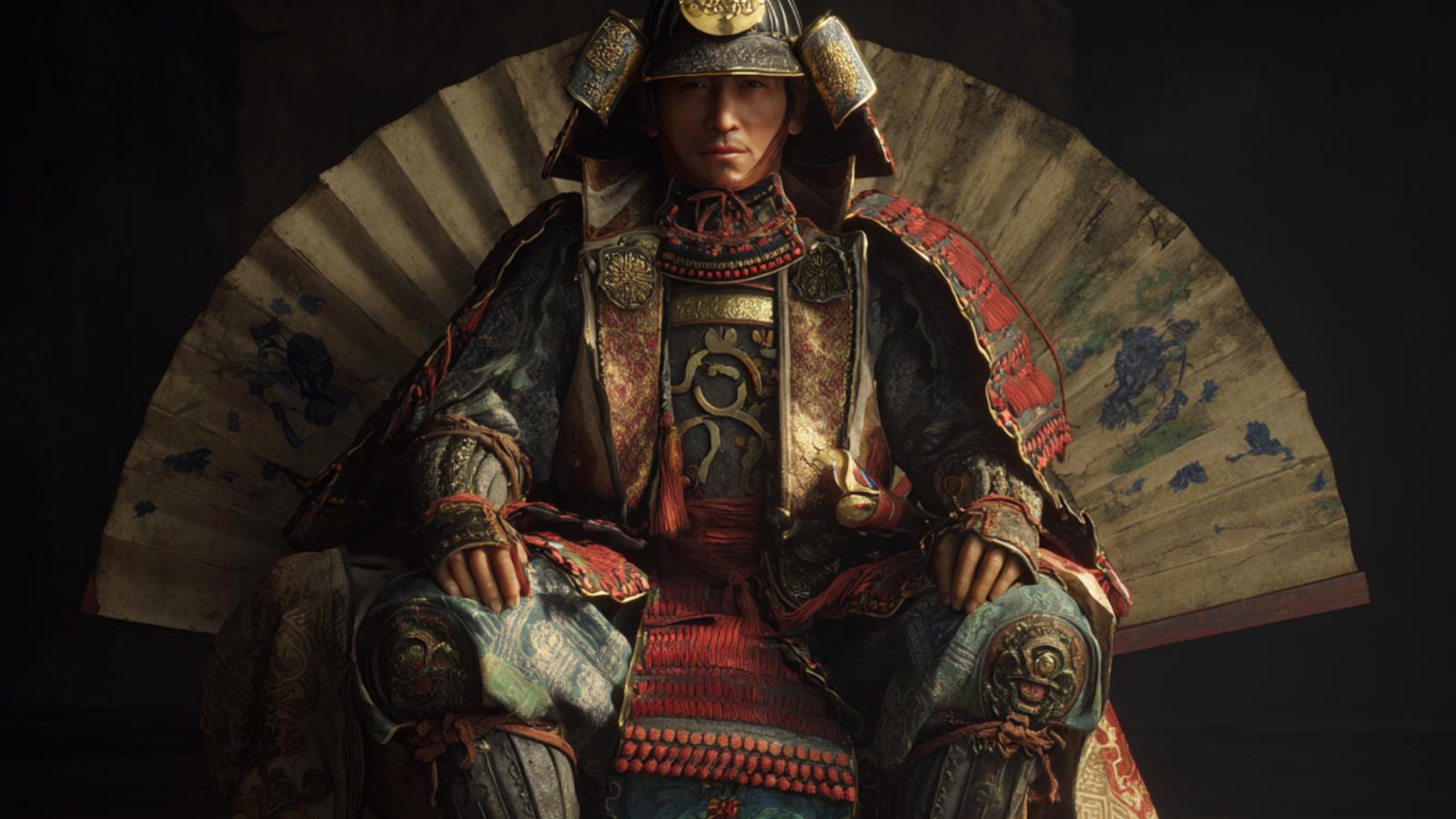
“武士は死ぬことを選びます。栄光のために。”
— A warrior chooses death for the sake of glory.

| Lead 統率 |
Valor 武勇 |
Intel 知略 |
Pol 政治 |
|---|---|---|---|
| 70 | 65 | 75 | 80 |
| Name (JP) | 江 (崇源院) |
|---|---|
| Title | Daimyo |
| Clan / Force | Unknown |
| Era | 1566 – 1612 |
| Origin | Mutsu |
| Key Battles | |
| Arts | Martial Arts |
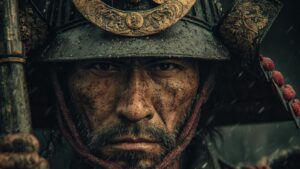
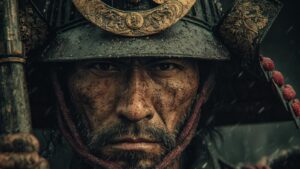
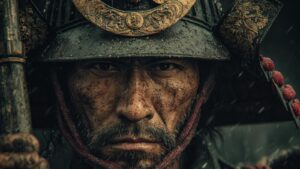
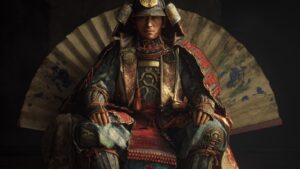
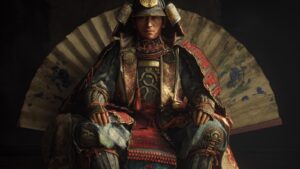
About Go (Sugen-in)
His early upbringing was steeped in the traditions of the samurai, with a strong emphasis on martial skills and bushido – the way of the warrior.
As the son of a lesser noble, he was groomed for a life of service, aiming to through the ranks by proving his loyalty and valor in battle.
Using both tactical acumen and personal valor, Go quickly established a reputation.
He started as a retainer to a local daimyo, showcasing his leadership abilities during minor skirmishes against rival clans.
By his late twenties, he had maneuvered himself into significant during the tumultuous Sengoku period, earning respect not only for his swordsmanship but also for his capability in strategy and politics.
Throughout his career, Sugen-in fought in numerous that defined the era, including the pivotal conflicts in the eastern provinces of Japan.
He played a crucial role in the campaigns that consolidated power under prominent warlords of his time.
His notable engagement at the Battle of Sekigahara, although not at the forefront like other legendary figures, showcased his ability to command and influence the outcome from the rear lines, ensuring the safety and morale of his troops.
Go Sugen-in is remembered as a capable daimyo whose blend of bravery and diplomatic skill helped shape the political landscape of his day.
While not as famous as legends like Oda Nobunaga or Tokugawa Ieyasu, his contributions to the samurai ethos and governance left a lasting impact on the samurai culture.
His life story inspires those interested in the Japanese feudal system and samurai hierarchy.
comment