
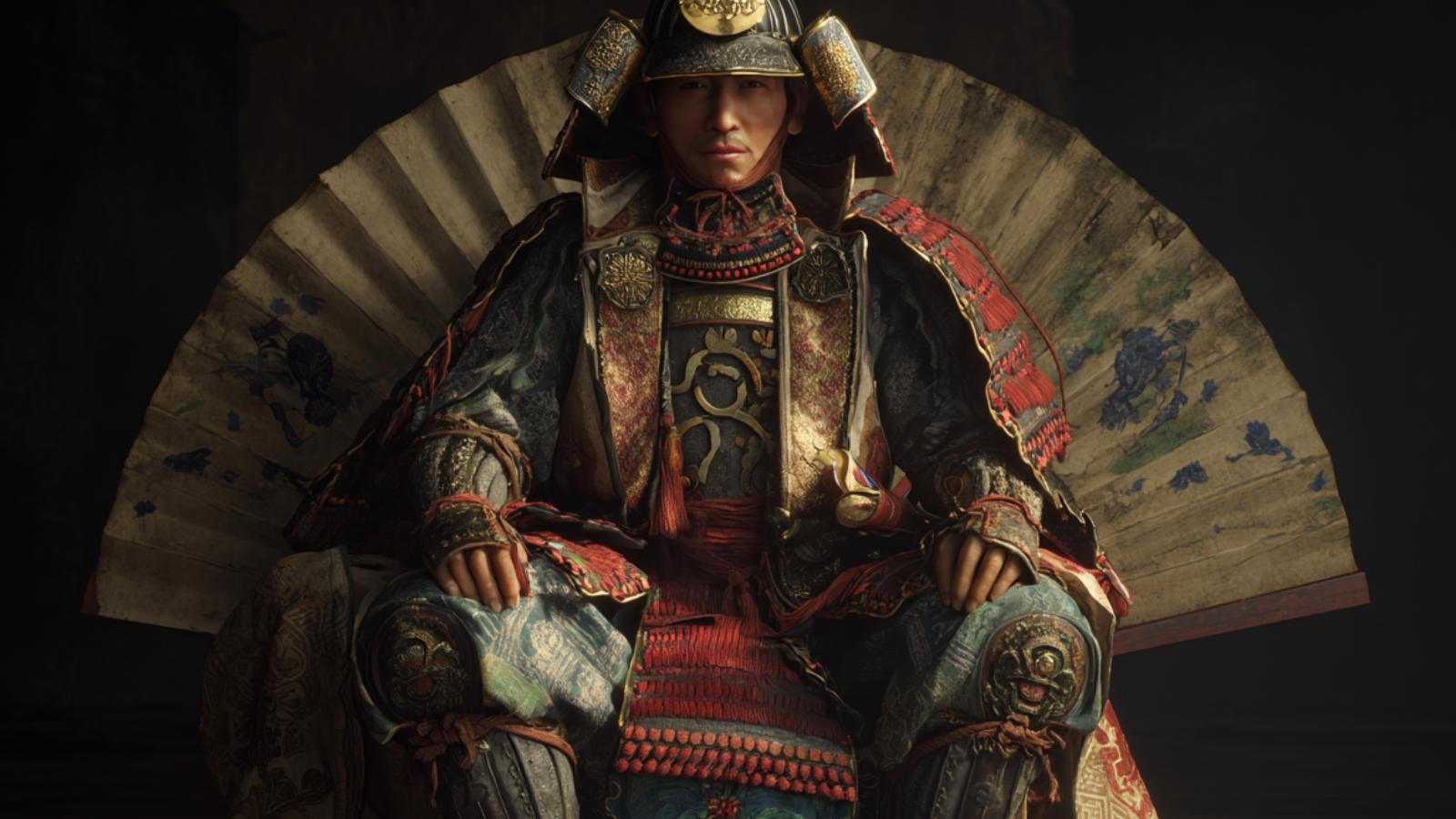
“心の力、戦の力。”
— The strength of the heart, is the strength of battle.

| Lead 統率 |
Valor 武勇 |
Intel 知略 |
Pol 政治 |
|---|---|---|---|
| 70 | 62 | 75 | 68 |
| Name (JP) | 初 (常高院) |
|---|---|
| Title | Daimyo |
| Clan / Force | Unknown |
| Era | 1542 – 1603 |
| Origin | Owari |
| Key Battles | |
| Arts | Calligraphy |
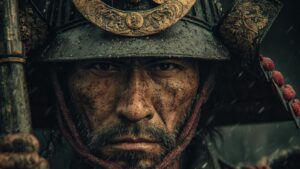
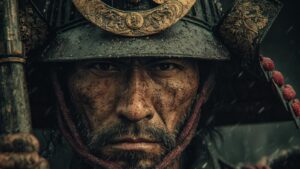
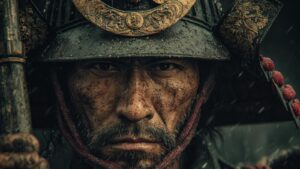
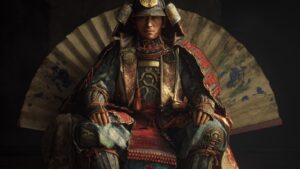
About Hatsu (Joko-in)
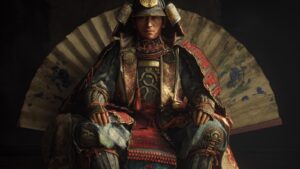
He received rigorous training in the arts of war and strategy from a young age, molded by the turbulent environment of the Sengoku period.
As a member of the samurai class, he was instilled with a strong sense of duty and responsibility.
His family had a long line of warriors who served under the powerful Oda clan, setting the stage for a life dedicated to the battlefield and governance.
As a young warrior, Hatsu demonstrated a knack for strategy and leadership, quickly rising through the ranks during conflicts in the region.
By aligning himself with influential figures such as Oda Nobunaga, he was able to expand his power and influence within the region.
His keen understanding of the political landscape allowed him to navigate alliances and hostilities effectively, garnering respect from peers and rivals alike.
By the late 1570s, Hatsu had become a notable daimyō in his own right, consolidating power and resources in Owari as he prepared for the larger conflicts that were brewing across Japan.
Throughout his career, Hatsu participated in several crucial that marked the unification of Japan.
His strategies were often characterized by swift, decisive action, earning him success against larger forces.
One of his most notable contributions was during the Siege of Inabayama Castle, where his tactical acumen forced rival clans to reconsider their approach to warfare.
While not the most famed warrior in personal combat, his capabilities as a leader on the battlefield were widely acknowledged.
His participation in these significant historical conflicts helped cement his as a capable general who contributed to the unification efforts of the late 16th century.
Hatsus impact extended beyond the battlefield; he was also known for his involvement in cultural pursuits such as calligraphy.
He believed in the balance of martial and artistic skills, promoting the idea that a true warrior should be well-rounded.
After his death in 1603, his descendants carried on his, maintaining influence in the region.
Today, Hatsu (Joko-in) is remembered as a key figure in the tumultuous history of Japan, exemplifying the virtues of loyalty, honor, and strategic foresight that characterized the samurai ethos.
comment