“歴史は勝者のものだ。”
— History belongs to the victors.

| Lead 統率 |
Valor 武勇 |
Intel 知略 |
Pol 政治 |
|---|---|---|---|
| 55 | 40 | 75 | 85 |
| Name (JP) | 淀殿 (茶々) |
|---|---|
| Title | Concubine of a Daimyo |
| Clan / Force | Toyotomi Army |
| Era | 1561 – 1615 |
| Origin | Yamato |
| Key Battles | |
| Arts | Noh Theatre |
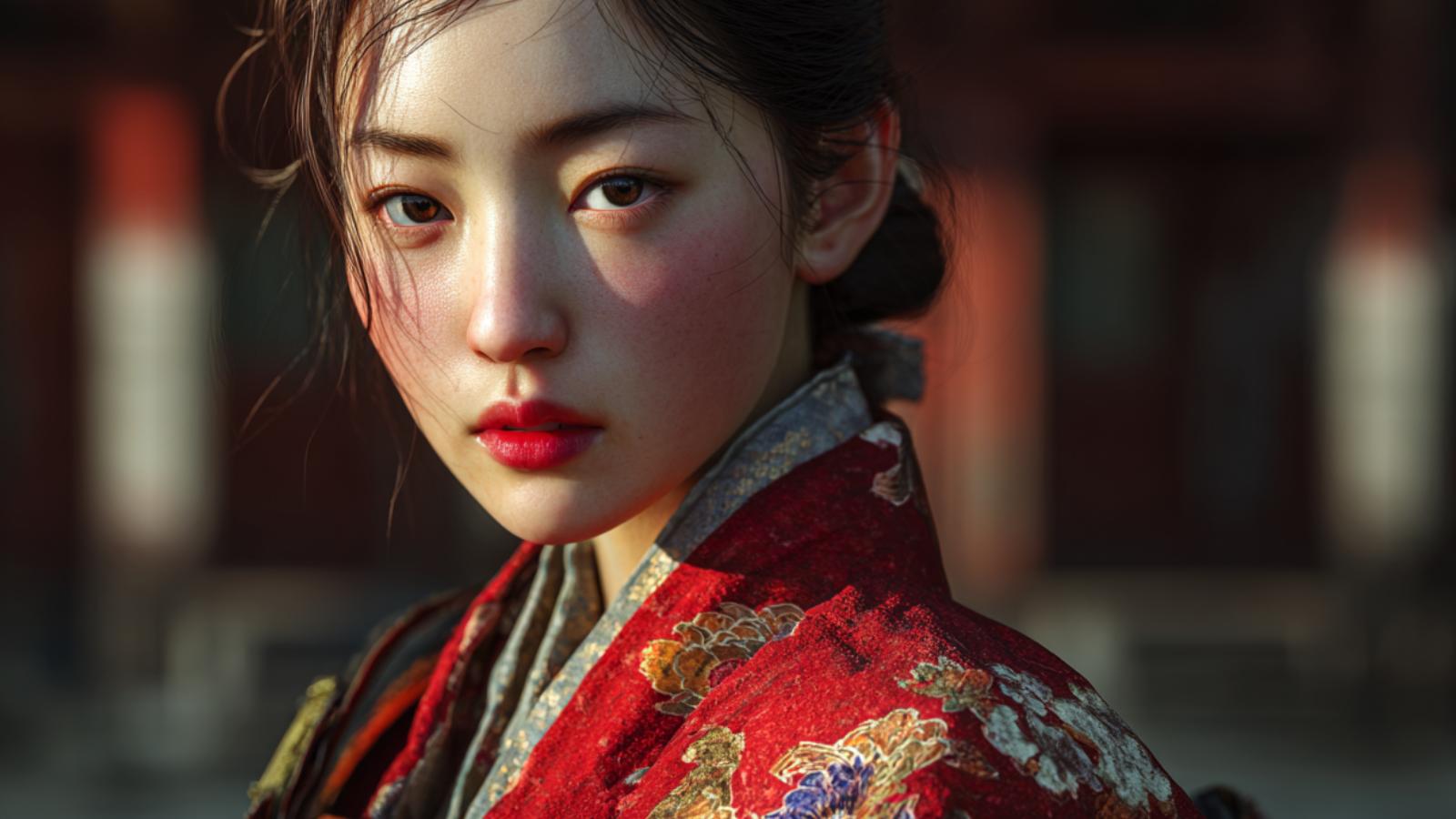
About Yodo-dono (Chacha)
This prestigious lineage placed her in the midst of political turmoil at a young age, especially as her father allied with Nobunaga’s enemies before ultimately being defeated in 1573.
Following her familys downfall, Chacha was taken to safety and later attracted the attention of Toyotomi Hideyoshi, who would become one of the most powerful leaders in Japan., Chacha rose to prominence after becoming the concubine of Hideyoshi, who was one of Japans most formidable unifiers during the late 16th century.
She bore him a son, Toyotomi Hideyori, who became the heir of Hideyoshi, solidifying Chacha’s position in the political landscape of the time.
Despite her status, she often faced challenges from other political factions, notably the Tokugawa clan, which sought to undermine Hideyoshis after his death., While not directly involved in military strategies or, Yodo-donos role was crucial during tumultuous times following Hideyoshis death in 1598.
She defended her son’s claim to power against Tokugawa Ieyasu, leading to her involvement in the siege of Osaka.
The fall of Osaka Castle in 1615 marked the end of the Toyotomi clans power and ultimately led to her demise, but her efforts in protecting her son reflected her resilience and commitment to her family., Yodo-donos life was emblematic of the struggles of women in feudal Japan, who wielded influence behind the scenes even if they were not military leaders.
Today, she is remembered not just as a historical figure but as a cultural icon who represents the complex roles women played in the politics of the period.
Through her lineage, she has stirred interest and debate among historians trying to understand the female perspective of the Sengoku and early Edo periods.




comment