
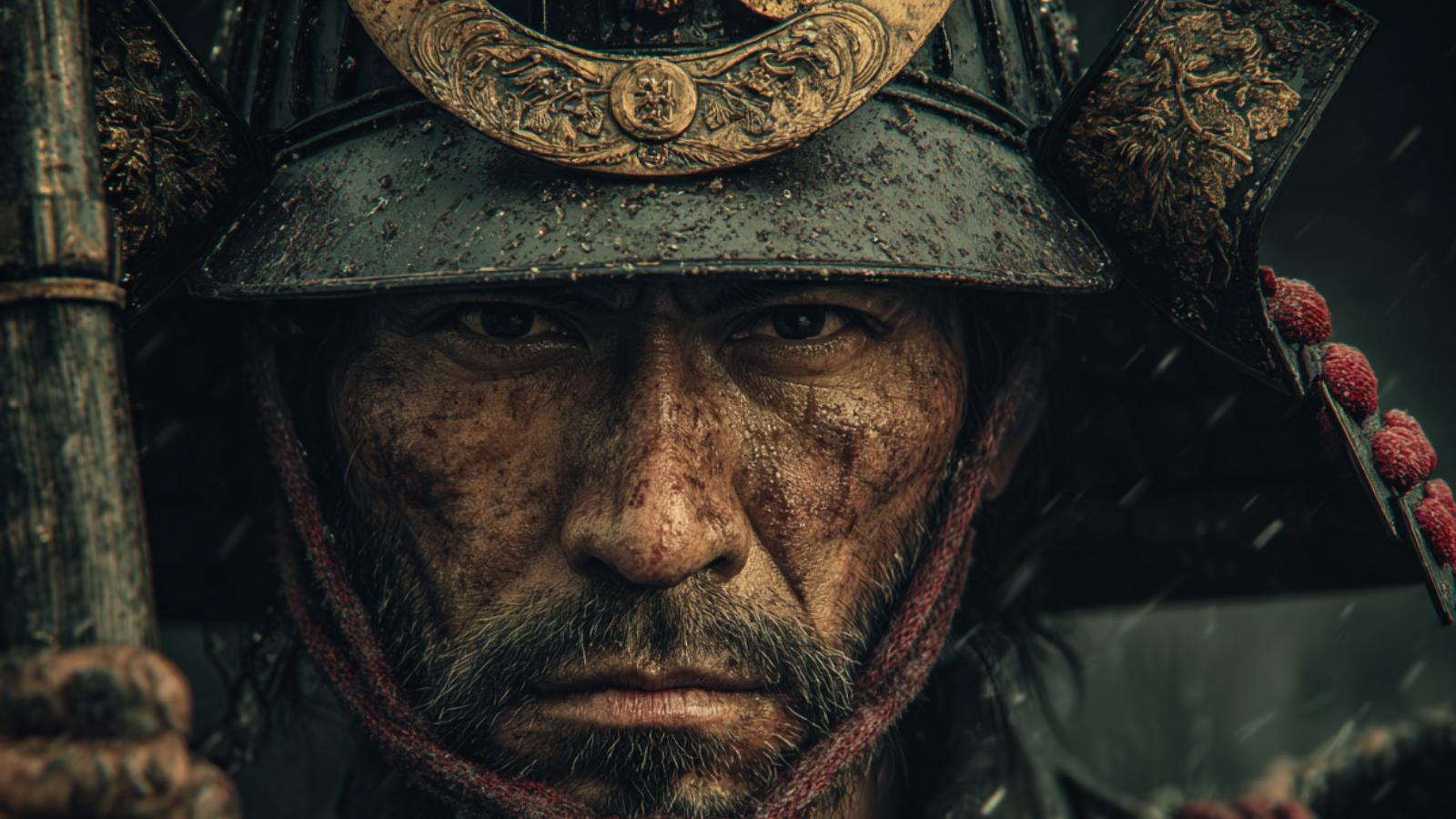
“勝利は屈指の戦略に宿る。”
— Victory resides in outstanding strategy.

| Lead 統率 |
Valor 武勇 |
Intel 知略 |
Pol 政治 |
|---|---|---|---|
| 75 | 70 | 85 | 80 |
| Name (JP) | 東郷 重位 |
|---|---|
| Title | Admiral |
| Clan / Force | Unknown |
| Era | 1860 – 1942 |
| Origin | Kōchi |
| Key Battles | |
| Arts | Kenjutsu |
About Togo Shigetaka
His formative years were molded by both global influences and the rapidly changing era of the Meiji Restoration, which transformed Japan from a feudal state to a modern imperial power.
Recognizing the need for a more robust naval force, Togo pursued naval studies overseas, eventually enrolling in the Imperial Japanese Naval Academy.
This education laid the groundwork for his future in naval command and strategy.
As Japan emerged on the world stage, Togo distinguished himself during the First Sino-Japanese War (1894-1895), showcasing remarkable leadership and tactical skills that caught the attention of military elites.
His impressive handling of naval engagements led to his promotion, and he became a key figure in the Imperial Japanese Navy.
His to fame, however, truly began during the Russo-Japanese War (1904-1905), where he commanded the Japanese fleet during the pivotal Battle of Tsushima.
With a blend of exceptional strategy and adept execution, Togo achieved a decisive victory that secured Japanese dominance in East Asia.
Togos most notable achievements include his command during crucial naval such as those at Liao Yang and Tsushima, where he effectively used intelligence and rapid movement to outmaneuver the Russian fleet.
His strategic foresight was evident in how he leveraged the technological advancements of the time, such as the use of modern hips and coordinated attacks.
The victory at Tsushima, in particular, not only altered the course of the war but also established Japan as a formidable naval power, marking a turning point in military history.
After the war, Togo continued to serve in various capacities within the navy, shaping the future of Japans maritime strategy.
His contributions went beyond mere victories on the battlefield; they had lasting implications for Japans military doctrine and international standing.
Togo’s is honored in Japan through monuments and ceremonies, and he is remembered as a national hero and an embodiment of the virtues of the samurai spirit, coupled with modern strategic thinking.
His life serves as an enduring testament to the evolution of Japans armed forces and its journey into the modern age.
comment