
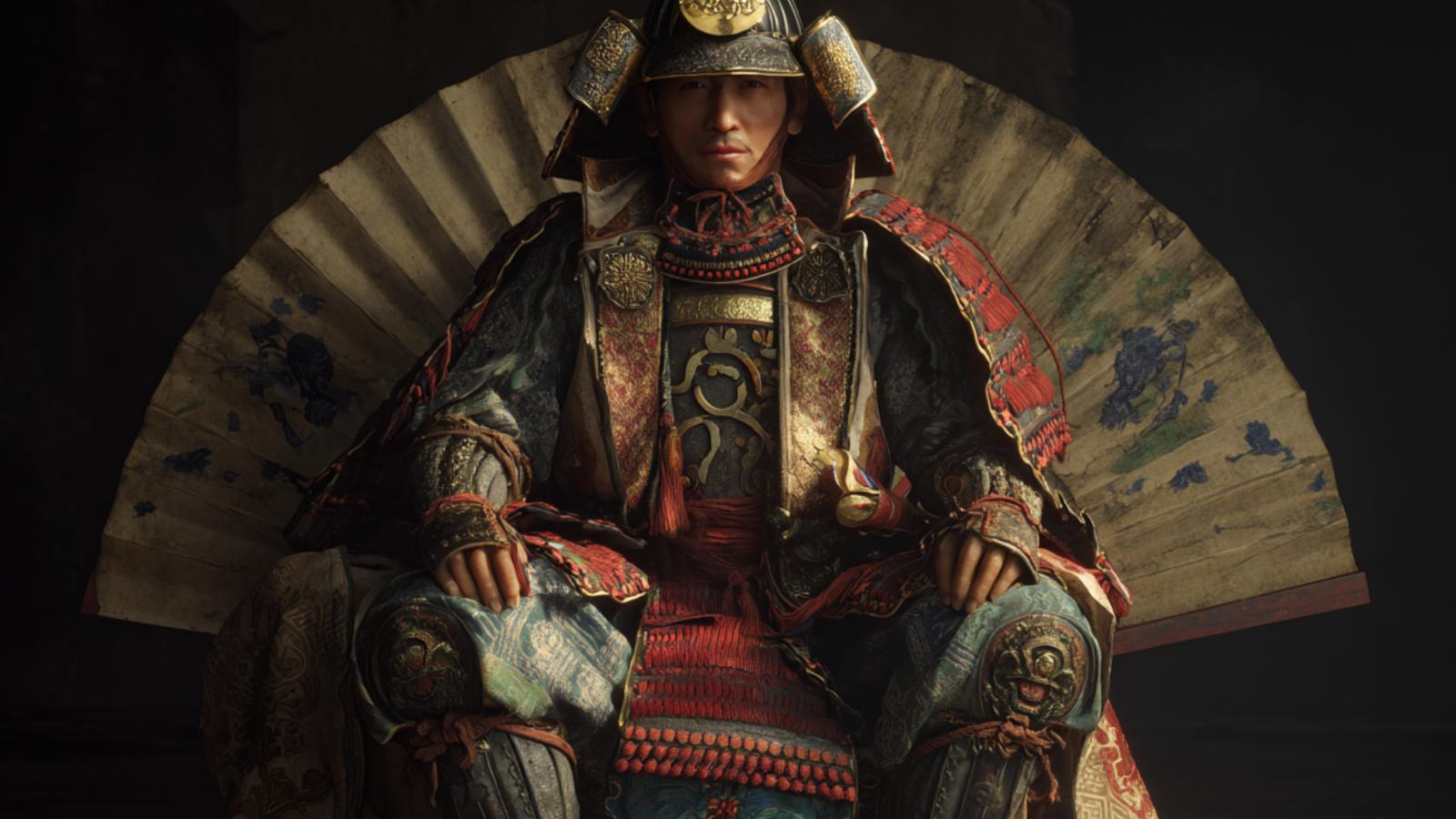
“武士は食わねど高楊枝”
— A samurai may go hungry but still carry a high toothpick.

| Lead 統率 |
Valor 武勇 |
Intel 知略 |
Pol 政治 |
|---|---|---|---|
| 78 | 70 | 75 | 60 |
| Name (JP) | 三好 長逸 |
|---|---|
| Title | Daimyo |
| Clan / Force | Miyoshi Clan |
| Era | 1510 – 1565 |
| Origin | Awaji |
| Key Battles | |
| Arts | Noh Theatre |
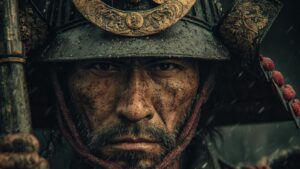
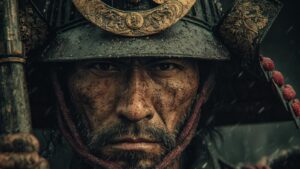
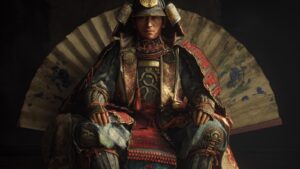
About Miyoshi Nagayasu
Being a member of the Miyoshi clan, which was among the powerful families in the area, he grew up in an environment steeped in the traditions and responsibilities of samurai culture.
His was marked by the clans internal struggles and conflicts with rival factions, helping to shape his character as a leader and warrior.
As Nagayasu matured, he became increasingly involved in the military affairs of his clan.
He played a crucial role in his familys attempts to consolidate power and expand their territory.
His leadership skills were demonstrated during various skirmishes, where he showed an aptitude for organizing troops and strategizing combat.
Through a series of diplomatic maneuvers and military victories, he gradually elevated his status within the political landscape of the region, eventually being recognized as a daimyo.
His loyalty to the ruling powers and effective governance contributed to his reputation as a solid military figure within the clan, representing the Miyoshi during turbulent times.
Miyoshi Nagayasu participated in several key during the Sengoku period, often confronting rivals such as the powerful Matsunaga clan.
He was known for his sagacity on the battlefield, effectively using terrain to his advantage and outmaneuvering his opponents.
Though not the most renowned warrior in terms of personal valor, his strategic insights and calculated risk-taking earned him respect from both allies and adversaries.
Furthermore, he formed alliances through marriage and diplomacy, which were crucial for maintaining peace and stability for his clan.
His efforts were particularly significant during the Siege of Ibaraki, where he demonstrated his ability to command and lead under pressure.
Nagayasus is one of solid leadership in a chaotic period of Japanese history.
He is often remembered for his intelligence and capability in unifying his clan, albeit not reaching the legendary status of contemporaries like Oda Nobunaga or Tokugawa Ieyasu.
His contributions to Noh theatre and patronage of the arts reflect the cultural richness of the time, ensuring that he remains a noteworthy figure in the annals of Japanese history.
He passed away in 1565, leaving behind a that blended military prowess with a commitment to culture.
comment