
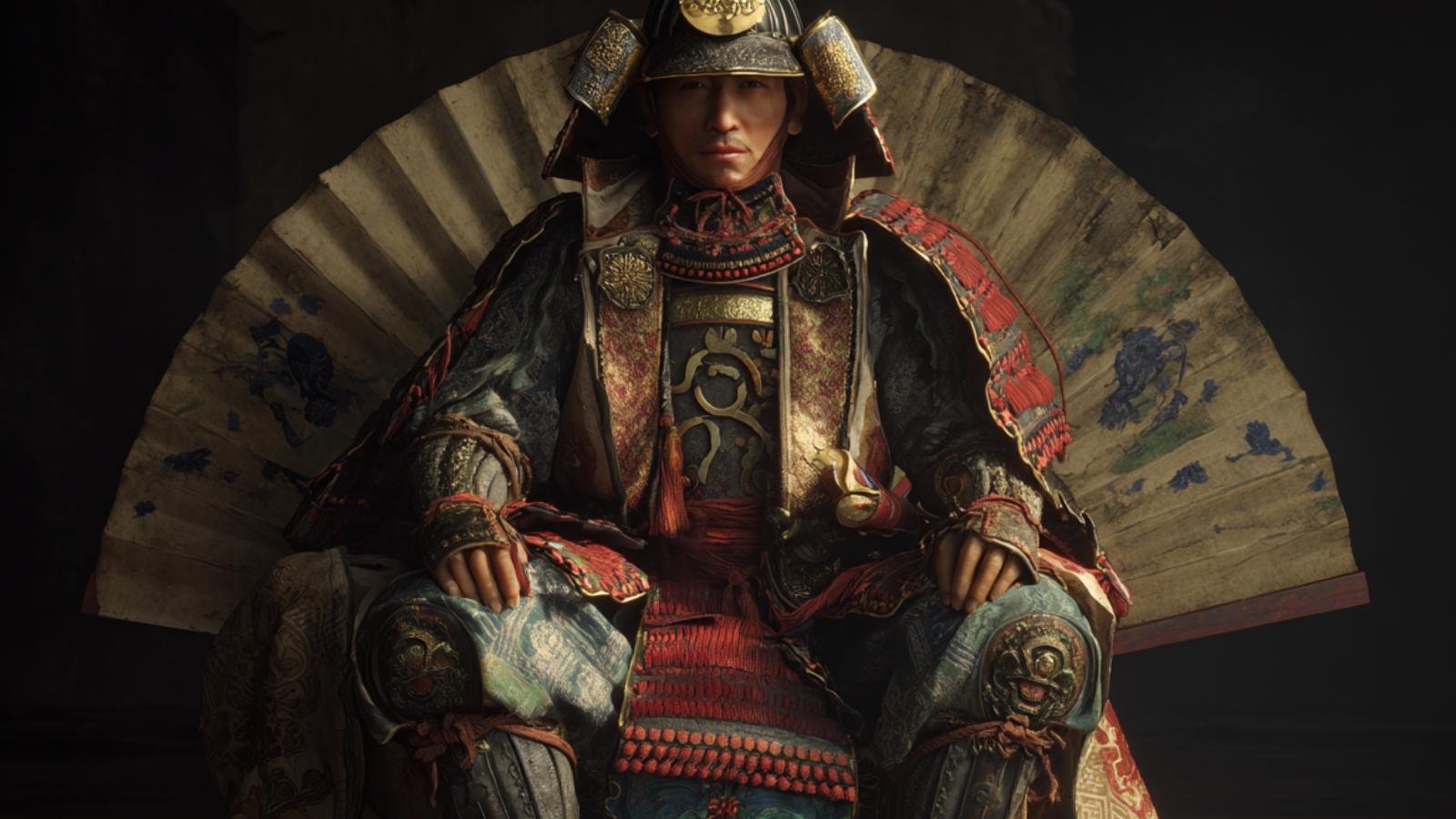
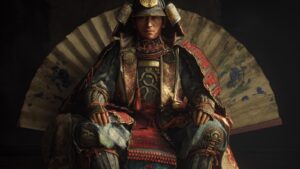
“武士は死なず、戦い続ける。”
— A warrior does not die; they continue to fight.

| Lead 統率 |
Valor 武勇 |
Intel 知略 |
Pol 政治 |
|---|---|---|---|
| 82 | 76 | 78 | 70 |
| Name (JP) | 三好 元長 |
|---|---|
| Title | Daimyo |
| Clan / Force | Miyoshi Clan |
| Era | 1486 – 1542 |
| Origin | Yamashiro |
| Key Battles | |
| Arts | Swordsmanship |
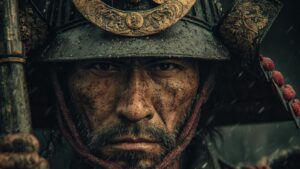
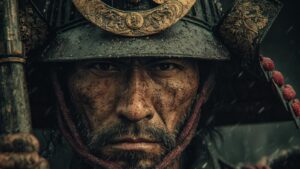
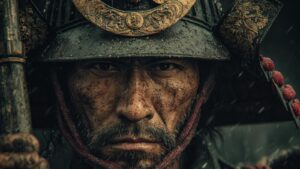
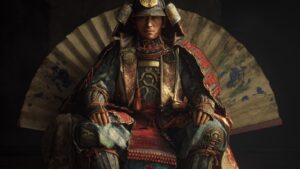
About Miyoshi Motonaga
His early experiences in martial arts and military strategy laid the groundwork for his future as a respected daimyō.
Coming from a lineage of shugo, he inherited not only the responsibilities of governance but also a rich tradition of samurai culture and values.
As a young warrior, Motonaga quickly gained a reputation for his tactical intelligence and leadership skills.
Navigating through the complex political landscape of the time, he aligned himself with the powerful Ashikaga shogunate, which allowed him to expand his influence and territory.
His ability to manage alliances and conflicts with other daimyō significantly contributed to his in power during the tumultuous Sengoku period.
Motonaga played key roles in several significant, showcasing his adept command during engagements against rival clans.
His valor on the battlefield was matched by his strategic acumen, enabling him to secure victories that solidified his standing as a formidable warlord.
Despite facing numerous challenges, including betrayals and the shifting loyalties of allies, he managed to maintain a stronghold in the region, building a that would be recognized by future generations.
Miyoshi Motonagas extends beyond his military achievements; he is remembered for his contributions to the samurai traditions of governance and honor.
His life exemplifies the struggles and triumphs of samurai in a period marked by warfare and chaos.
Historical accounts celebrate his resilience and skill, positioning him as a notable figure in the history of Japanese feudal warfare.
He remains a symbol of loyalty, strength, and the enduring spirit of the samurai way.

comment