
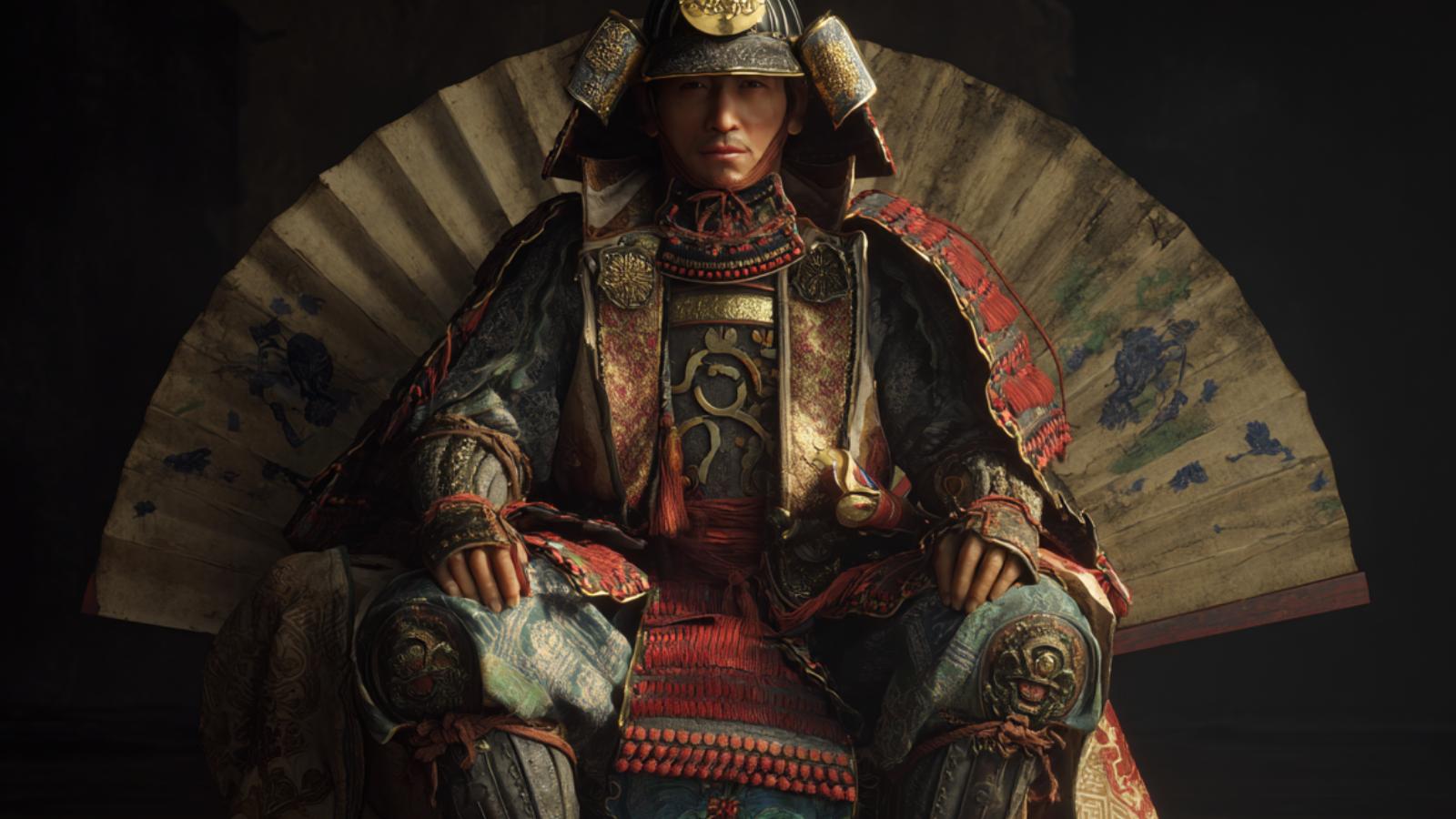
“武士としての道を進むのみ。”
— I shall only walk the path of the warrior.

| Lead 統率 |
Valor 武勇 |
Intel 知略 |
Pol 政治 |
|---|---|---|---|
| 75 | 70 | 80 | 78 |
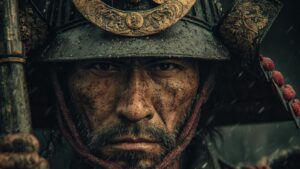
| Name (JP) | 三好 之長 |
|---|---|
| Title | Daimyo |
| Clan / Force | Miyoshi Clan |
| Era | 1545 – 1586 |
| Origin | Settsu |
| Key Battles | |
| Arts | Noh Theatre |
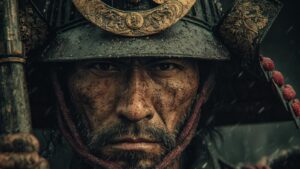
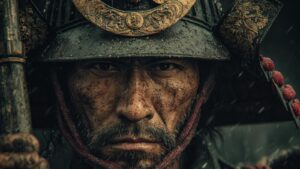
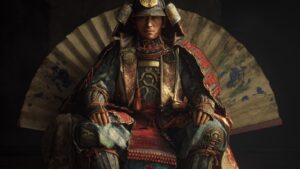
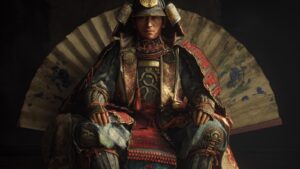
About Miyoshi Yukinaga
The Miyoshi clan was known for its military prowess and administrative capabilities, providing Yukinaga with a solid foundation in both warfare and governance.
As a child, he was educated in the arts and strategies of war, which would later serve him well in his military career.
Yukinaga rose to prominence during the turbulent years of the Sengoku period, a time characterized by constant military conflict among daimyōs in Japan.
He quickly gained a reputation for his tactical mind and formed alliances that would help solidify his position in the region.
In 1570, he became the daimyō of the Miyoshi clan, effectively controlling a significant portion of the Settsu province.
Throughout his career, Yukinaga fought in many notable .
His strategic intelligence shone during the Siege of Nijo Castle in 1573, where his forces effectively outmaneuvered and defeated those of rival lords.
His valor and personal combat strength were evident as he personally led troops into battle, earning the respect of his soldiers and allies alike.
Yukinagas impact on the Sengoku period cannot be understated.
He was instrumental in the political dynamics of the time, through alliances and military campaigns that shaped the future of Japan.
After his death in 1586, he was remembered not just as a warrior but as a leader who navigated the complexities of feudal Japan with grace and intelligence.
comment