
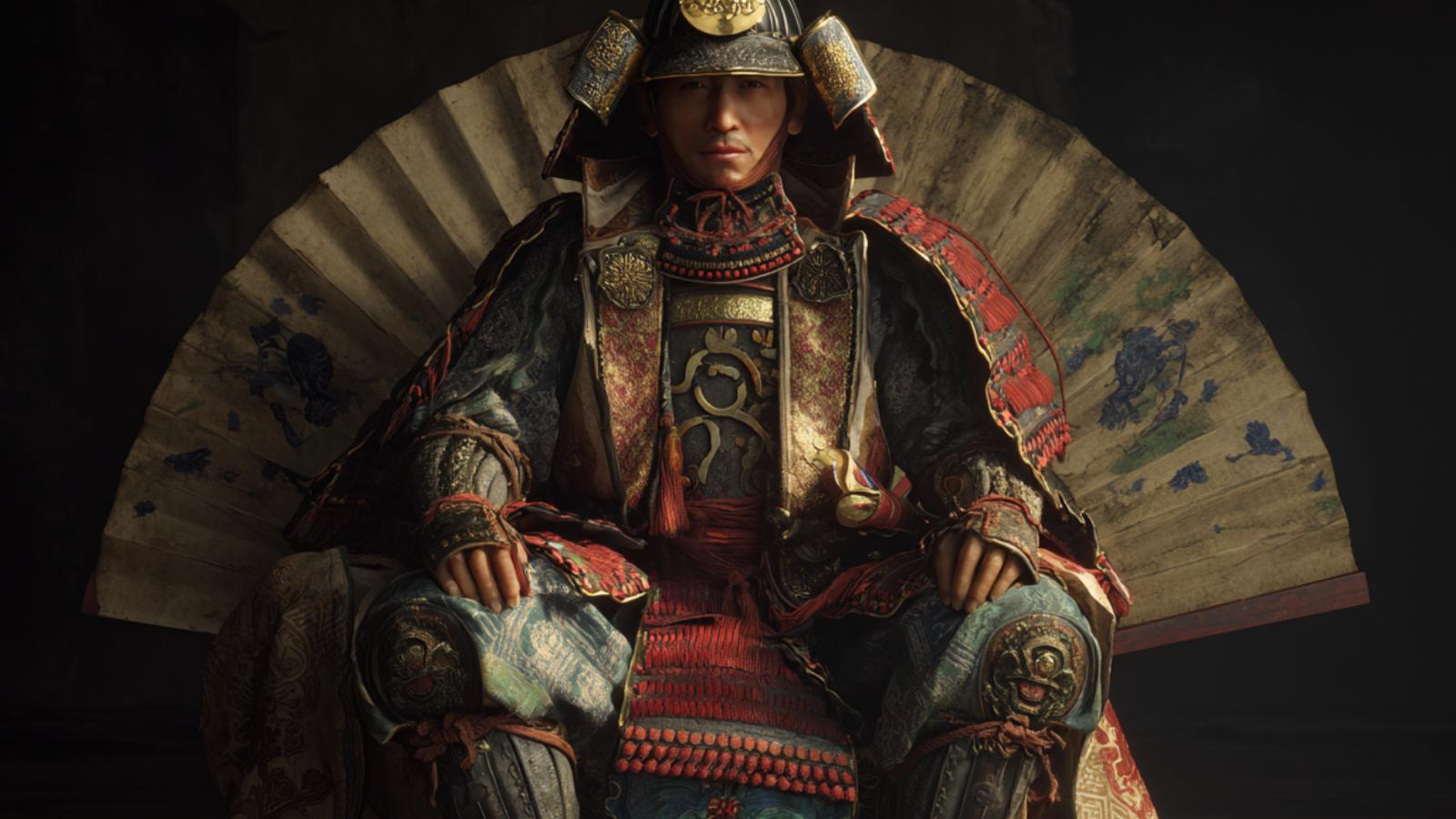
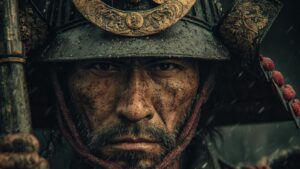
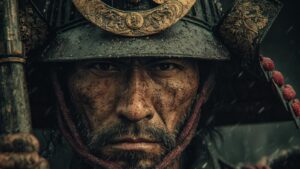
“我が百姓と共に戦う。”
— I fight alongside my people.

| Lead 統率 |
Valor 武勇 |
Intel 知略 |
Pol 政治 |
|---|---|---|---|
| 70 | 65 | 75 | 60 |
| Name (JP) | 北畠 具教 |
|---|---|
| Title | Shugo |
| Clan / Force | Kitabatake Clan |
| Era | 1454 – 1531 |
| Origin | Ise |
| Key Battles | |
| Arts | Waka Poetry |
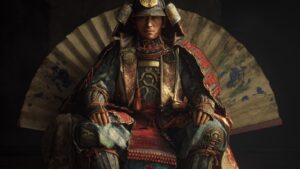
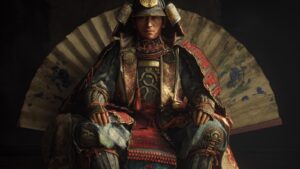
About Kitabatake Tomonori
Coming from a family of shugo (military governors), he was well-acquainted with the intricacies of leadership and military governance from a young age.
His upbringing in a politically sensitive era shaped his worldview and ambitions, fostering a strong commitment to his people.
During the early years of his career, Tomonori focused on consolidating his familys power in Ise and expanding their influence over neighboring territories.
He emerged as a capable leader who could command respect among his peers and rally troops in defense of his domain.
His intelligence and strategic mind allowed him to navigate the complexities of feudal Japan, where shifting alliances often dictated the and fall of clans.
He aimed to unify various factions within his lands against common threats, particularly from the rising power of Oda Nobunaga.
Tomonoris military engagements were not without challenge.
He fought several significant, defending his lands against incursions while also participating in skirmishes with rival clans.
Though he was not the most renowned warrior of his time, his leadership and ability to inspire loyalty among his retainers played a crucial role in securing victories and maintaining stability in the region.
His valor was evident, though not exceptional by the legends of the time.
Tomonoris strategic maneuvers allowed him to outsmart his adversaries despite facing disadvantages in numbers and resources.
Kitabatake Tomonoris is marked by his commitment to his samurai code and the well-being of his feudal domain.
He is remembered as a shrewd and capable leader who worked towards the unification of Ise.
His contributions to Waka poetry also illustrate the cultural depth of the warrior elite, blending martial pursuits with artistic expression.
While overshadowed by greater historical figures, Tomonoris story remains significant in understanding the local dynamics of power during a transformative period in Japans history.
comment