
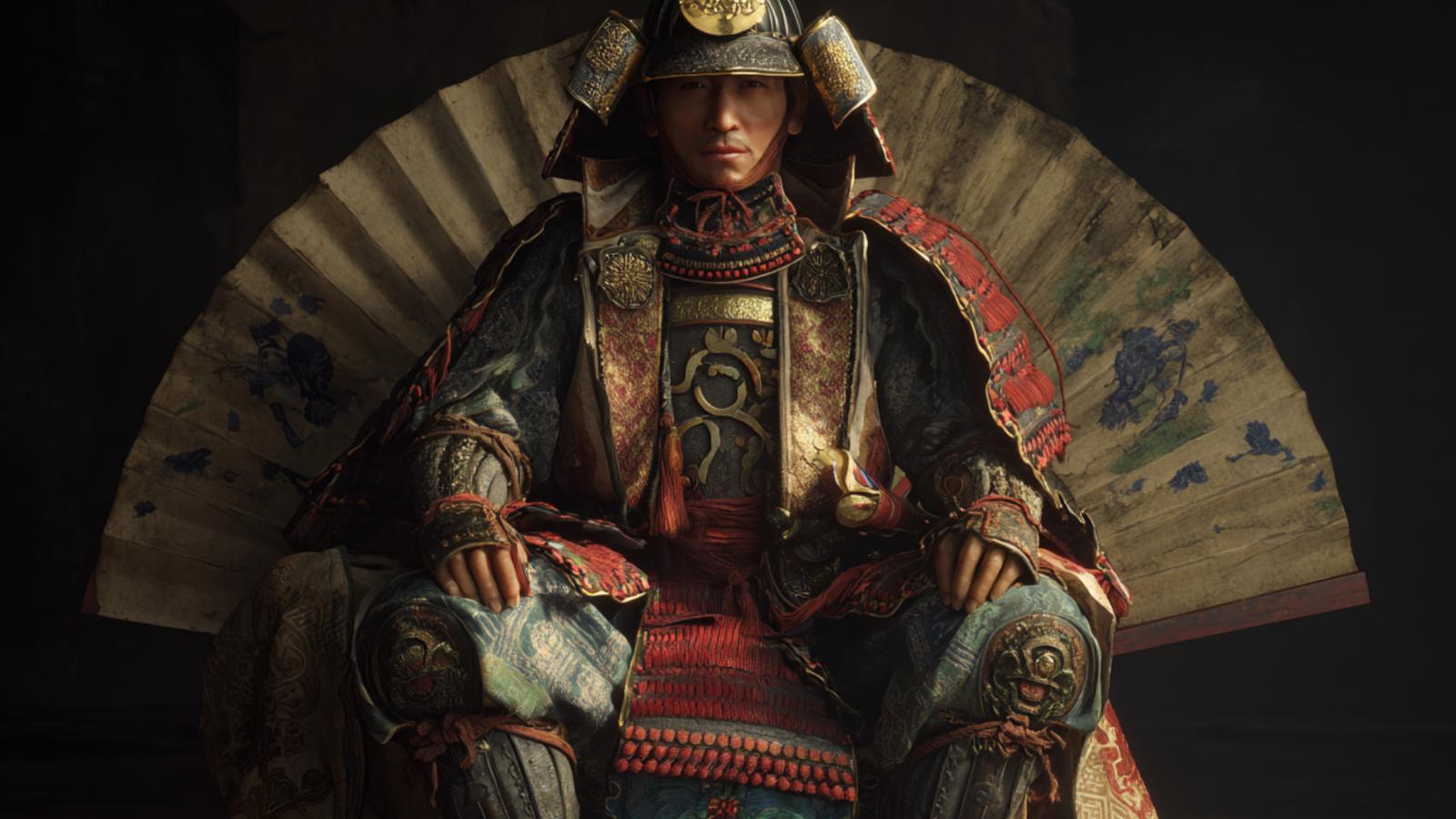
“我が家のために尽くすわが道”
— I shall serve my house with all my strength.

| Lead 統率 |
Valor 武勇 |
Intel 知略 |
Pol 政治 |
|---|---|---|---|
| 72 | 70 | 75 | 68 |
| Name (JP) | 朝倉 宗滴 |
|---|---|
| Title | Daimyo |
| Clan / Force | Asakura Clan |
| Era | 1510 – 1579 |
| Origin | Echizen |
| Key Battles | |
| Arts | Noh Theater |
About Asakura Soteki
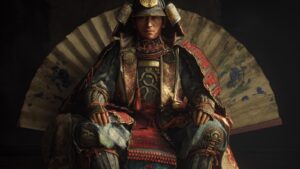
He was the son of Asakura Yoshikage, inheriting both the and the responsibilities of his family during a period of constant upheaval and warfare in Japan.
From a young age, Soteki demonstrated a keen intellect and an understanding of military strategy, qualities that would define his leadership style throughout his life.
Under the shadow of his father, Soteki initially operated as a capable retainer, helping to govern Echizen and bolster the clans influence.
Following Yoshikages death, he ascended to the position of daimyō, facing the daunting task of maintaining stability amid the encroaching powers of Oda Nobunaga and Takeda Shingen.
His administrative skills were notable as he sought to fortify alliances and expand trade networks, ensuring the Asakura clans wealth and influence during a critical time.
Sotekis military acumen was put to the test in several skirmishes against rival clans.
Although he was not as aggressive as contemporaries like Nobunaga, he was known for his defensive strategies and adept use of terrain in battle, which earned him a respectable reputation.
His troops performed commendably in several engagements, showcasing their loyalty and discipline under his guidance.
This perseverance, however, could not prevent the eventual decline of the Asakura clan as Nobunagas campaigns intensified across Japan.
Asakura Soteki passed away in 1579, leaving behind a that was both of triumph and tragedy.
While his clan ultimately could not withstand the tides of change wrought by more powerful forces, Soteki is remembered as a figure of integrity and devotion to his family.
His contributions to the arts, particularly Noh theater, reflect his appreciation for culture amid war, cementing his place in Japans historical tapestry.




comment