
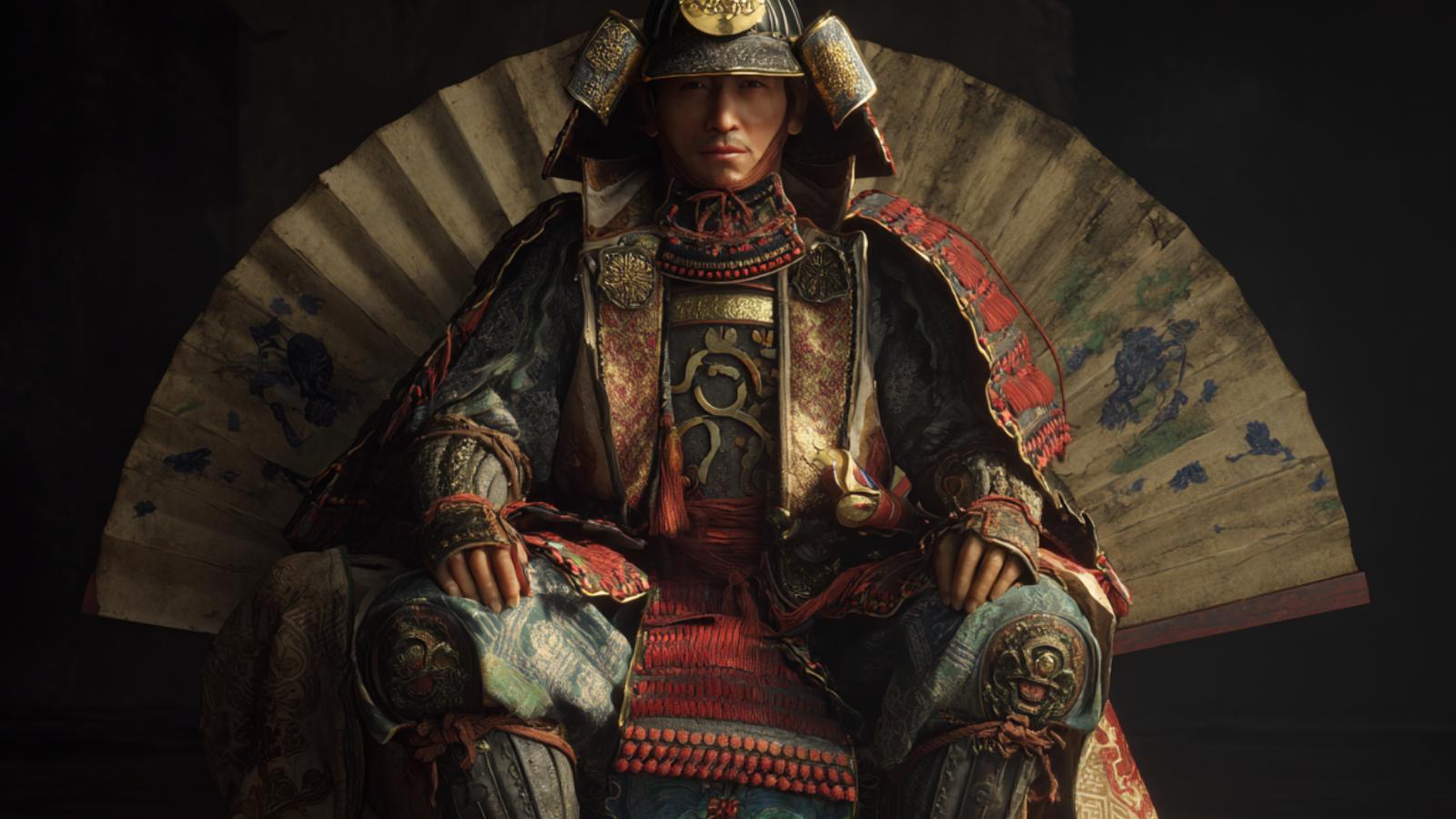
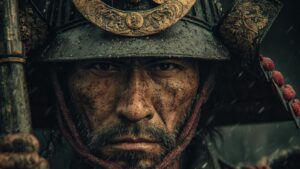
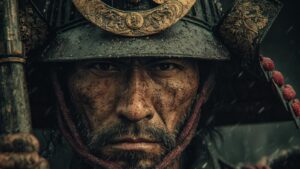
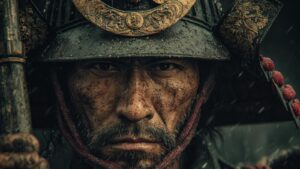
“不屈の精神で進み続けます。”
— I will continue to advance with an indomitable spirit.

| Lead 統率 |
Valor 武勇 |
Intel 知略 |
Pol 政治 |
|---|---|---|---|
| 65 | 70 | 60 | 55 |
| Name (JP) | 北 信愛 |
|---|---|
| Title | Daimyo |
| Clan / Force | Unknown |
| Era | 1569 – 1645 |
| Origin | Kōzuke |
| Key Battles | |
| Arts | Calligraphy |
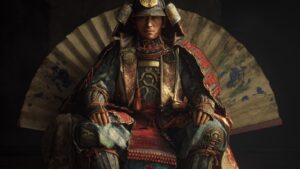
About Kita Nobuchika
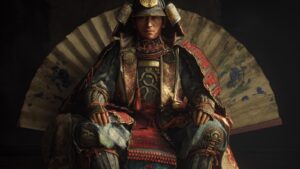
Growing up in a samurai family, he was trained from an early age in the arts of warfare and governance.
His formative years were marked by the conflicts between rival clans competing for control of Japan, which shaped his future as a capable leader.
As Nobuchika matured, he leveraged his familys connections to gain influence among the local clans.
He participated in several skirmishes that demonstrated both his leadership and martial abilities.
His reputation began to grow as he quelled local disturbances and formed alliances with other powerful families.
By the beginning of the 17th century, he had established himself as a respected daimyo in his own right.
Nobuchika’s forces were involved in numerous skirmishes during the intense clan warfare of the era.
Notable included engagements against the Takeda and Uesugi clans, where he displayed a preference for defensive strategies that enabled his smaller forces to hold against larger armies.
His valor on the battlefield earned him the respect of his peers and solidified his place among the notable figures of the time.
Though not as famed as contemporaries like Tokugawa Ieyasu or Oda Nobunaga, Kita Nobuchika left a lasting impact on the Kōzuke region.
His focus on governance and local stability laid the groundwork for future peace in his province after the unification of Japan.
Today, he is remembered as a capable leader whose efforts contributed to the transformation of the samurai class during Japan’s tumultuous history.
comment