
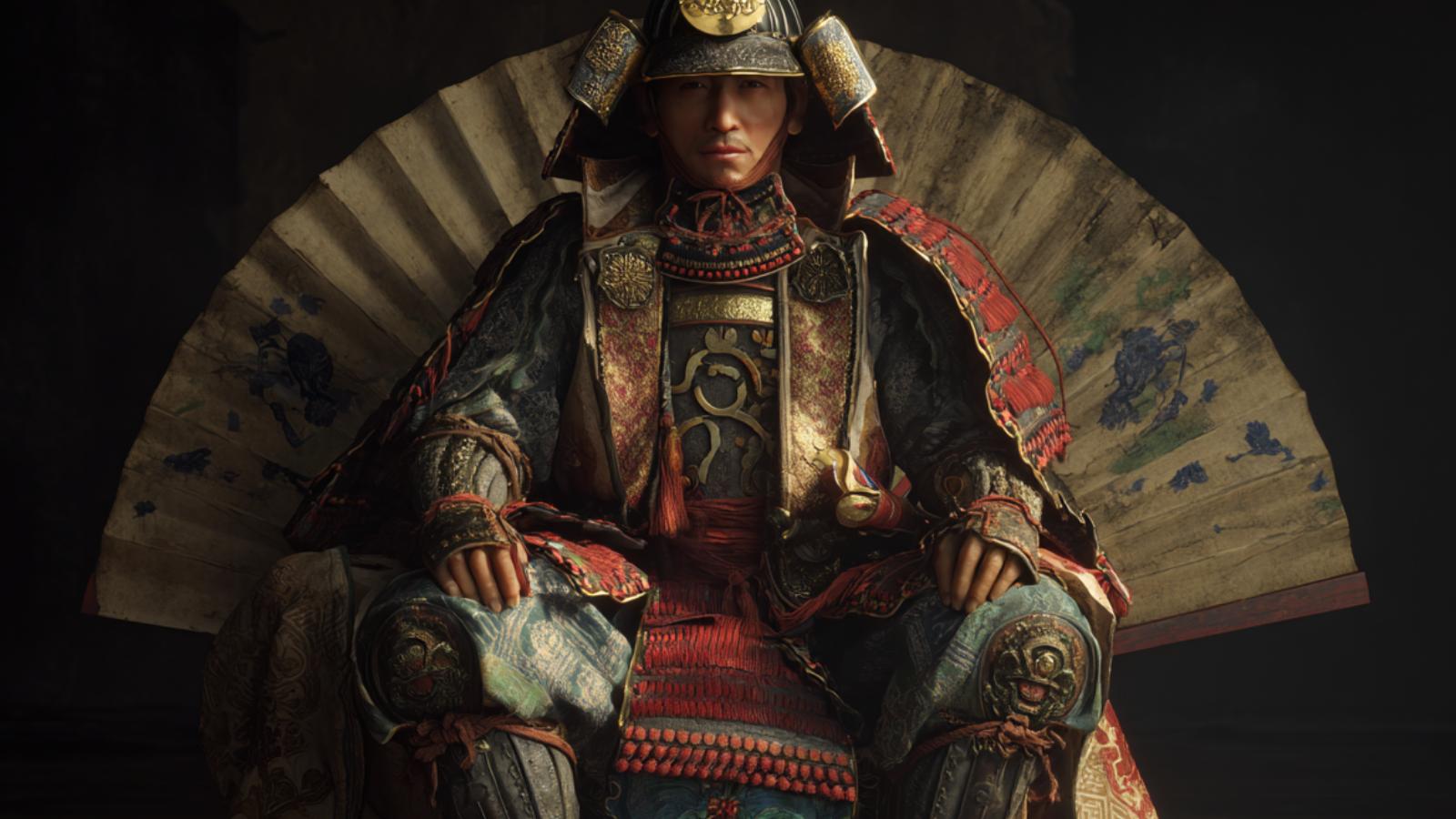
“信じる者に道は開ける。”
— Those who believe will find the way.

| Lead 統率 |
Valor 武勇 |
Intel 知略 |
Pol 政治 |
|---|---|---|---|
| 70 | 75 | 68 | 65 |
| Name (JP) | 岩城 親隆 |
|---|---|
| Title | Daimyo |
| Clan / Force | Uesugi Clan |
| Era | 1535 – 1586 |
| Origin | Mutsu |
| Key Battles | |
| Arts | Budo |
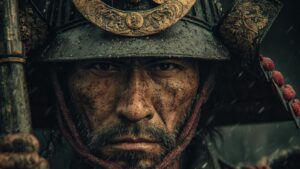
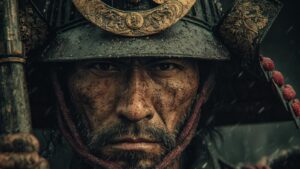
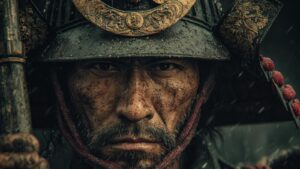
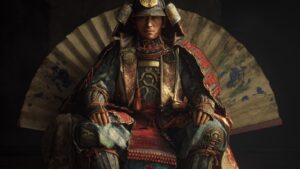
About Iwaki Chikataka
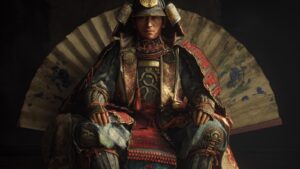
Raised in an environment where conflict and strategy were commonplace, Chikataka learned early the principles of leadership and warfare.
His noble lineage provided him with the necessary education in both the military and cultural arts, including Budo, which later influenced his leadership style and personal conduct in battle.
As he matured, Chikataka quickly distinguished himself among the regional daimyo, displaying a keen understanding of both combat and governance.
His strategic prowess was evident during skirmishes between local clans, where he consistently demonstrated the ability to rally his forces effectively.
By the time of the of more prominent warlords like Oda Nobunaga, Iwaki had himself become a respected figure in Mutsu, maneuvering politically to align with the winning factions while maintaining the autonomy of his clan.
Chikataka played a pivotal role in various engagements throughout the region, notably opposing the incursions from neighboring clans trying to expand their territories.
His capability as a commander was further showcased in defense operations, where he leveraged the terrain of Mutsu to his advantage.
Although he was not among the fiercest of warriors, his bravery and tactical intelligence earned him a strong reputation, which attracted capable retainers to his side, further bolstering his forces.
Iwaki Chikataka passed away in 1586, leaving behind a built on respect and resilience.
Though not as acclaimed as legends like Nobunaga or Ieyasu, his contributions to the stabilization of Mutsu during a chaotic era were significant.
Today, he is remembered as a capable general who adeptly navigated the complexities of feudal Japan, preserving his clans honor and reinforcing the ideals of loyalty and strategic warfare.
comment