
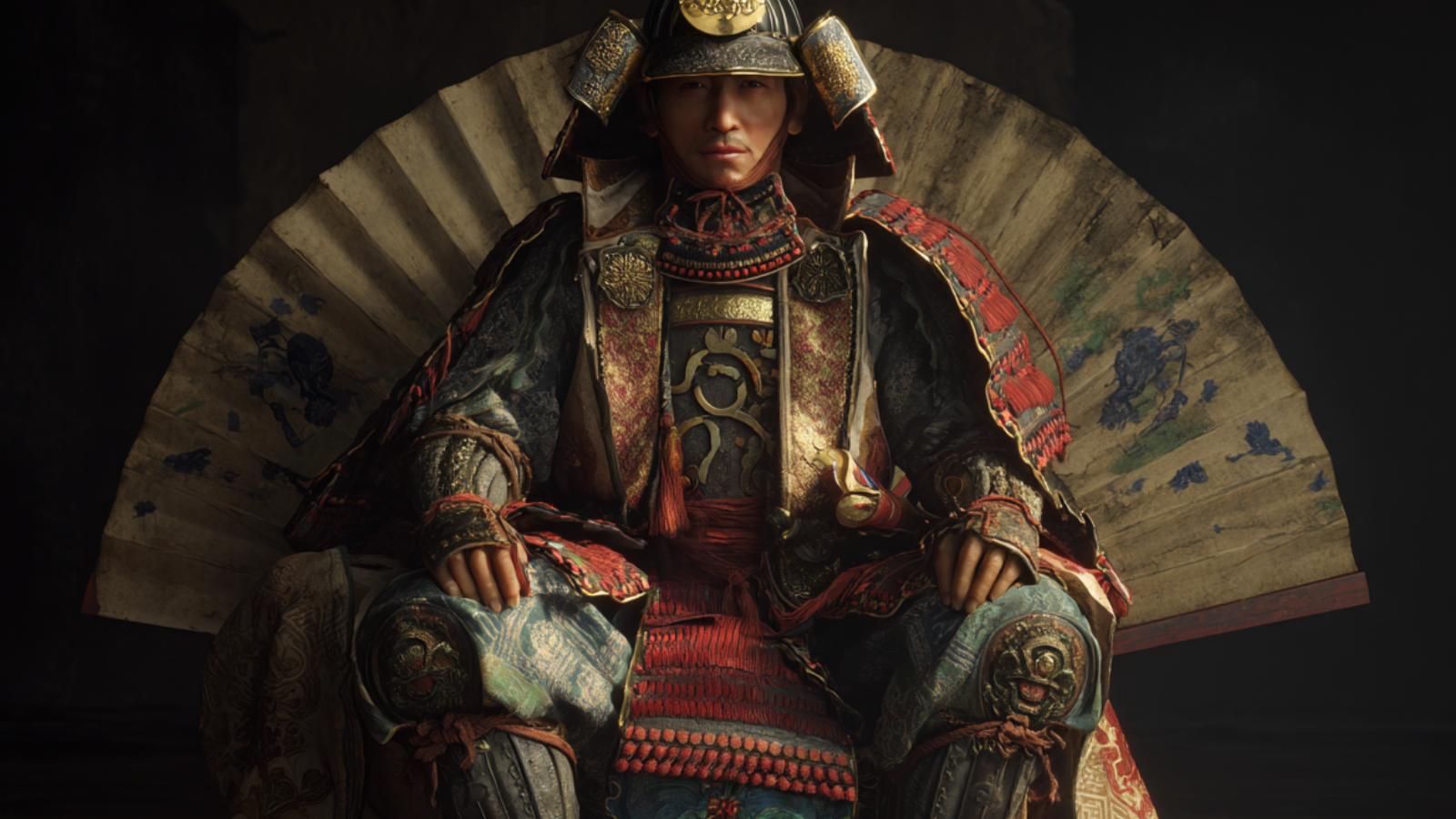
“武士の誇りを忘れてはいけない。”
— One must never forget the pride of a warrior.

| Lead 統率 |
Valor 武勇 |
Intel 知略 |
Pol 政治 |
|---|---|---|---|
| 70 | 65 | 75 | 60 |
| Name (JP) | 戸沢 盛安 |
|---|---|
| Title | Daimyo |
| Clan / Force | Date Clan |
| Era | 1536 – 1584 |
| Origin | Dewa |
| Key Battles | |
| Arts | Noh Theatre |
About Tozawa Moriyasu
As a member of the Shugo warrior class, he grew up in an environment steeped in martial tradition, which would shape his future endeavors as a commander and daimyō.
In his youth, he was influenced by the ongoing conflicts and the need for strategic acumen, which led him to hone his skills in both combat and governance.
Moriyasu ascended to prominence in the tumultuous Eihelo era, where he carved a name for himself through his military engagements and tactical capabilities.
He served various masters, displaying fidelity and valor, and gradually consolidated power in Dewa Province.
His ability to rally troops and manage resources effectively allowed him to gain recognition among his peers, and he eventually rose to the rank of daimyō, wielding considerable influence in Northern Japan.
Throughout his career, Moriyasu participated in numerous that defined the era.
His military strategies were often characterized by flexibility and adaptation, allowing him to achieve victories despite being outnumbered at times.
Notably, his leadership during the Siege of Tsuruga Castle showcased his ability to inspire his men and effectively counter enemy tactics.
However, he also faced challenges, including rival factions and shifting allegiances, that tested his resilience and diplomacy.
Tozawa Moriyasus is one of a capable leader who navigated the complexities of the Sengoku period.
While he may not have achieved the legendary status of some of his contemporaries, his contributions to the political and military landscape of Dewa Province were significant.
He is remembered not only for his martial prowess but also for instilling a sense of pride and camaraderie among his retainers.
Following his death in 1584, his lineage continued to influence the region, cementing his place in Japanese history.









comment