

“武士の道は、忠義と名誉に生きることです。”
— The way of the warrior is to live with loyalty and honor.

| Lead 統率 |
Valor 武勇 |
Intel 知略 |
Pol 政治 |
|---|---|---|---|
| 75 | 70 | 80 | 65 |
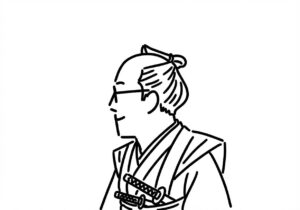
| Name (JP) | 小野寺 義道 |
|---|---|
| Title | Daimyo |
| Clan / Force | Unknown |
| Era | 1551 – 1632 |
| Origin | Miyagi |
| Key Battles | |
| Arts | Calligraphy |
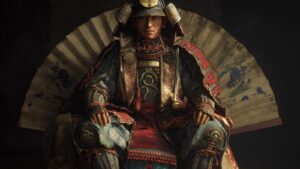
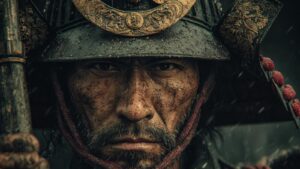
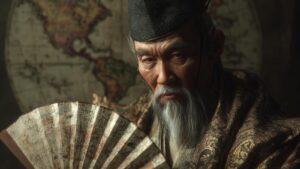
About Onodera Yoshimichi
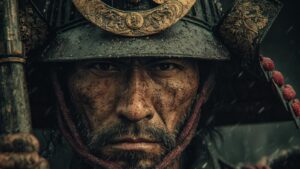
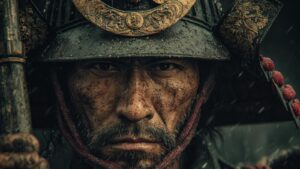
He came from a samurai lineage and was trained in the traditional arts of combat and strategy from a young age.
His family had been retainers to powerful daimyos, which set the stage for Yoshimichi to become a prominent figure in the turbulent times of the Sengoku period.
Yoshimichi began his military career as a retainer, quickly earning a reputation for his intelligence and bravery.
His ability to strategize in did not go unnoticed, and he soon became a trusted commander under his lord.
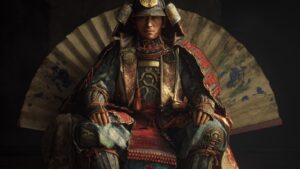
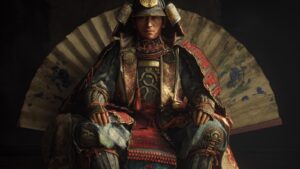
Due to his skills in warfare, he rose through the ranks and was eventually entrusted with the status of a daimyo, overseeing several territories and their governance.
Throughout his career, Yoshimichi participated in numerous significant during the Sengoku period.
His leadership in campaigns against rival clans showcased his tactical prowess and valor on the battlefield.
He was known for employing clever guerilla tactics and forming alliances that shaped the outcomes of several conflicts.
His bravery often inspired his troops, earning him a loyal following among his soldiers.
Onodera Yoshimichis lies not only in his military achievements but also in his dedication to the samurai code of loyalty and honor.
He was influential in the formation of policies that fostered stability in the regions he governed.
After his death in 1632, he was remembered as a capable leader and strategist, leaving a lasting impression on the history of the Miyagi province and the samurai class.
comment