
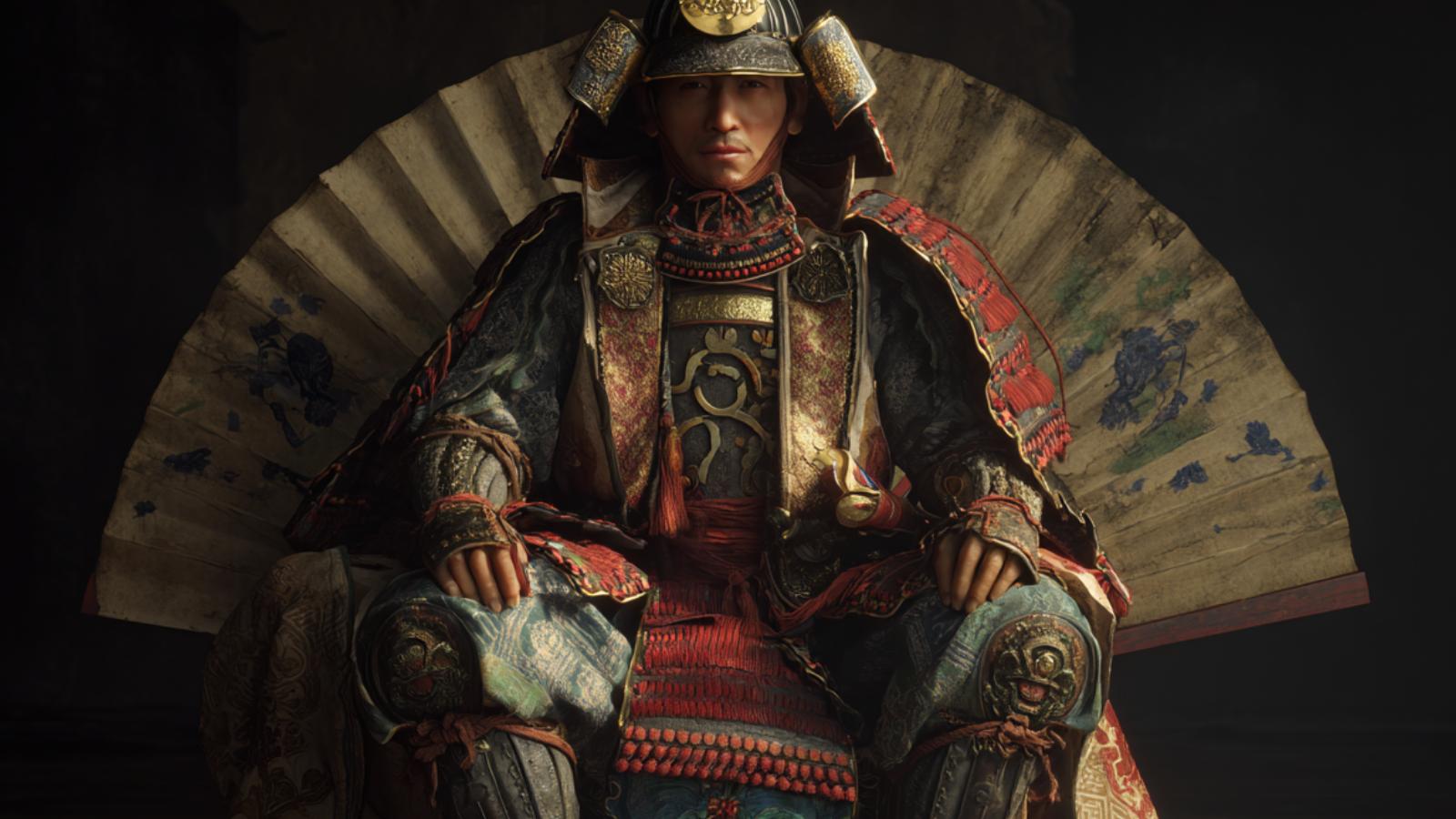
“義を貫く者こそ真の武士である。”
— Only those who uphold righteousness are true warriors.

| Lead 統率 |
Valor 武勇 |
Intel 知略 |
Pol 政治 |
|---|---|---|---|
| 75 | 70 | 72 | 68 |
| Name (JP) | 大崎 義隆 |
|---|---|
| Title | Daimyo |
| Clan / Force | Satake Clan |
| Era | 1542 – 1580 |
| Origin | Kōzuke |
| Key Battles | |
| Arts | Martial Arts |
About Osaki Yoshitaka
He hailed from a family of shugo, the provincial governors of the region, and thus was raised in a prosperous environment conducive to the martial and administrative training that would prepare him for a career in leadership.
From a young age, Yoshitaka was instructed in the arts of warfare and diplomacy, inheriting a sense of duty and honor from his lineage.
During the tumultuous years of the Sengoku period, Yoshitaka proved his mettle by aligning with powerful allies and engaging in several strategic alliances.
His leadership qualities began to shine as he navigated the complex political landscape, often engaging in both skirmishes and larger to expand his territory while maintaining the loyalty of his vassals.
Despite his capable leadership, he became known more for his honorable conduct rather than overwhelming military success, a trait that earned him respect among his peers and a steady following.
Yoshitakas military engagements, while not as sweeping as those of the great legends of his time, showcased his capability as a general.
He was involved in key that solidified his familys influence in Kōzuke.
His tactical decisions were often characterized by a defensive style, focusing on preserving his forces rather than seeking unnecessary confrontation.
His valor in combat, while considerable, was matched by his diplomatic skills – often opting for negotiation over bloodshed when possible.
Osaki Yoshitaka passed away in 1580, leaving behind a of honor and commitment among the samurai class.
He may not have achieved the same legendary status as figures like Oda Nobunaga or Tokugawa Ieyasu, but his contributions played a significant role in the fabric of samurai culture and governance during a time of strife.
His famous quote, Only those who uphold righteousness are true warriors, encapsulates his philosophy and impact on his contemporaries.
While relatively lesser known in the grand history of Japan, Yoshitaka is remembered as a paragon of virtue among the samurai, a true warrior in spirit if not in overwhelming achievements.









comment